
Packing List
January Packing List for Baltimore — What to Wear & Bring
January is Baltimore's coldest month — 41°F highs with 25°F lows and a damp chill that the Chesapeake Bay wind corridor intensifies along the Inner Harbor waterfront. Precipitation falls on 9 days as a mix of rain, sleet, and snow, leaving the historic cobblestones of Fell's Point and the Inner Harbor promenade icy and treacherous. An insulated waterproof coat, waterproof boots with a grip sole, and thermal base layers are non-negotiable before anything else.
Averages 2541°F, ~9 days of rain
Edited by ForecastStyle·Last updated March 24, 2026
Hotels in Baltimore
Compare prices across top booking sites for Jan 1–4.
Powered by Hotellook · prices from Booking.com, Agoda, and more
Free PDF
Get this packing list as a PDF
We'll email you a beautifully formatted version, ready to travel with.
0 of 12 packed
Clothing
Footwear
Accessories
Shop picks for Baltimore in January
Full climate-matched shoe guide for January →
Outerwear
Oatmeal Long Knit Duster Cardigan
Shop on Amazon →
Outerwear
The Fireside Plaid Blazer in Green
Shop on Amazon →
Footwear
Cream Waterproof Hot-City Slip-Ons
Shop on Amazon →
Footwear
Olive Quick-Dry Tropical Rain Sneakers
Shop on Amazon →
Tops
Hot Pink Ultralight Crew Tee
Shop on Amazon →
Tops
Sage Green Quick-Dry Scoop Tank
Shop on Amazon →
Affiliate links — ForecastStyle earns a small commission at no extra cost to you.
Local tips for Baltimore in January
Fell's Point's cobblestone streets are genuinely treacherous when icy in January — the uneven stones between Broadway Market and Thames Street can hold ice long after main roads have cleared; wear waterproof boots with an aggressive grip sole and avoid any heeled footwear entirely for this neighborhood.
The National Aquarium on Pier 3 is one of Baltimore's best January indoor activities — multiple floors of heated exhibits make it an ideal half-day option during the city's coldest month; comfortable flat-soled shoes work well inside, and plan to add all your outer layers again before the cold walk back to your parking or Uber.
Baltimore's Inner Harbor promenade in January is beautiful but brutally exposed — the stretch between the Maryland Science Center and the Rusty Scupper restaurant faces open water with no windbreak; always add your scarf, hat, and gloves before stepping onto the promenade rather than dressing on the move.
FAQ — Baltimore in January
More tools for Baltimore in January
What to wear
Outfit ideas for Baltimore in January →
Layering looks and style guidance matched to the month's weather.
Best shoes
Shoe picks for January →
Waterproof, breathable, insulated — matched to the month.
Pack or skip
Umbrella? Winter coat? Sunscreen? →
Item-by-item verdict for January.
Comfort check
Will I be cold or hot? →
Day and night temp bands for January.
Packing tools
Decide jackets, outfits, shoes, and bag fees for Baltimore in January
Free calculators — city and month pre-filled when we know them. No account required. Start with how many outfits, sudoku packing, or bag fees.
Trip
Planning a trip to one city?
One city → typical weather for your month, packing counts that fit your bags, and email your plan.
Outfits
How many outfits for this trip?
Trip length, bag size, and climate → exact tops, bottoms, layers, and outfit combinations.
Jacket
Not sure about a jacket?
City + month → base / mid / shell stack and pack-or-skip verdicts for rain jacket, coat, and thermals.
Shoes
Shoes for this climate?
Climate, activities, and bag size → pair count, primary/backup types, and climate-matched picks.
Bags
Will this trip cost bag fees?
Airline + fare bucket + bags you plan to bring → fit verdicts and typical carry-on / checked fee ranges.
Capsule
Try sudoku packing for this climate?
City + month → climate-ready 3 tops / 3 bottoms / 3 layers you can edit — up to 27 mix-and-match outfits.
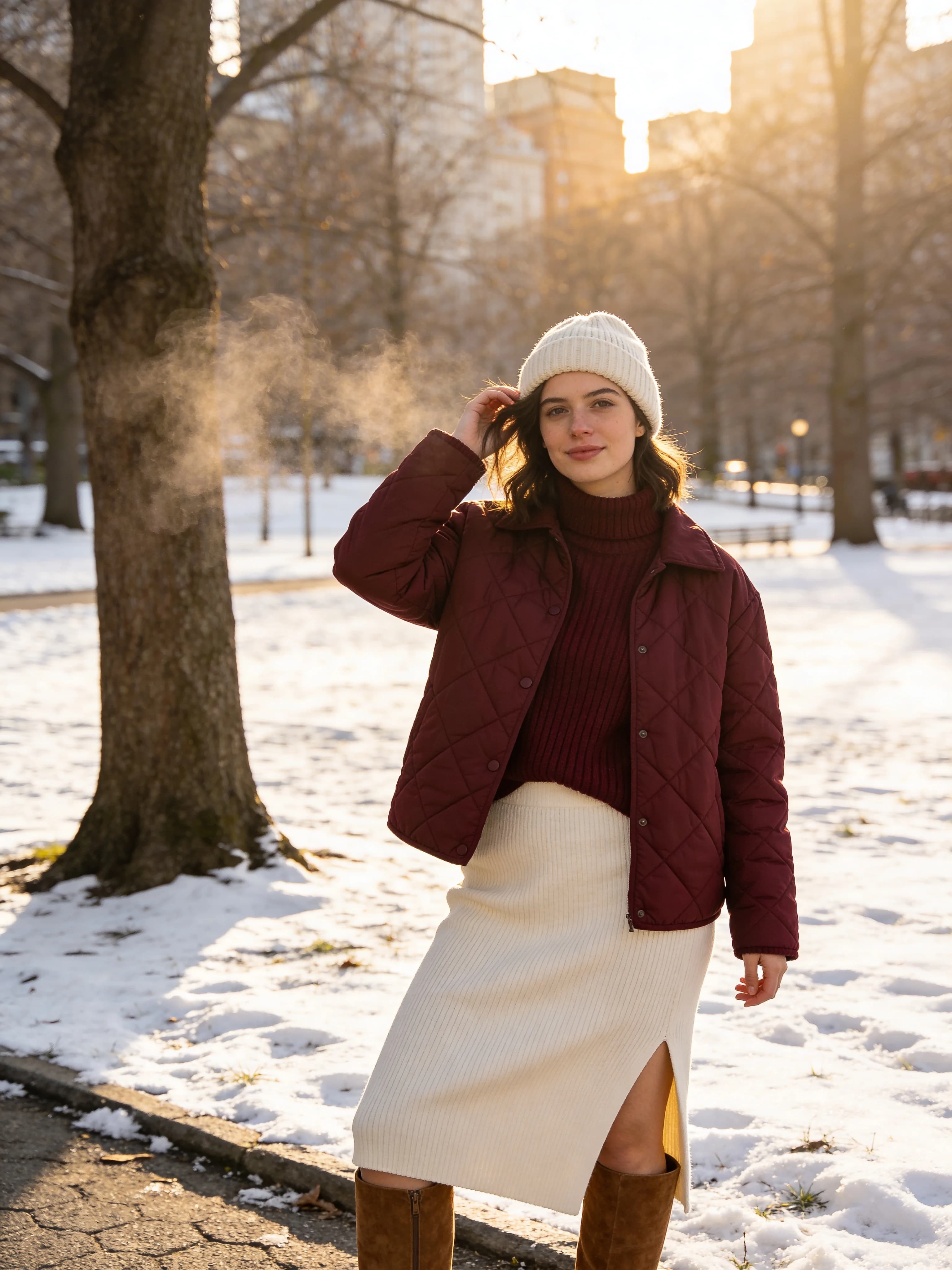
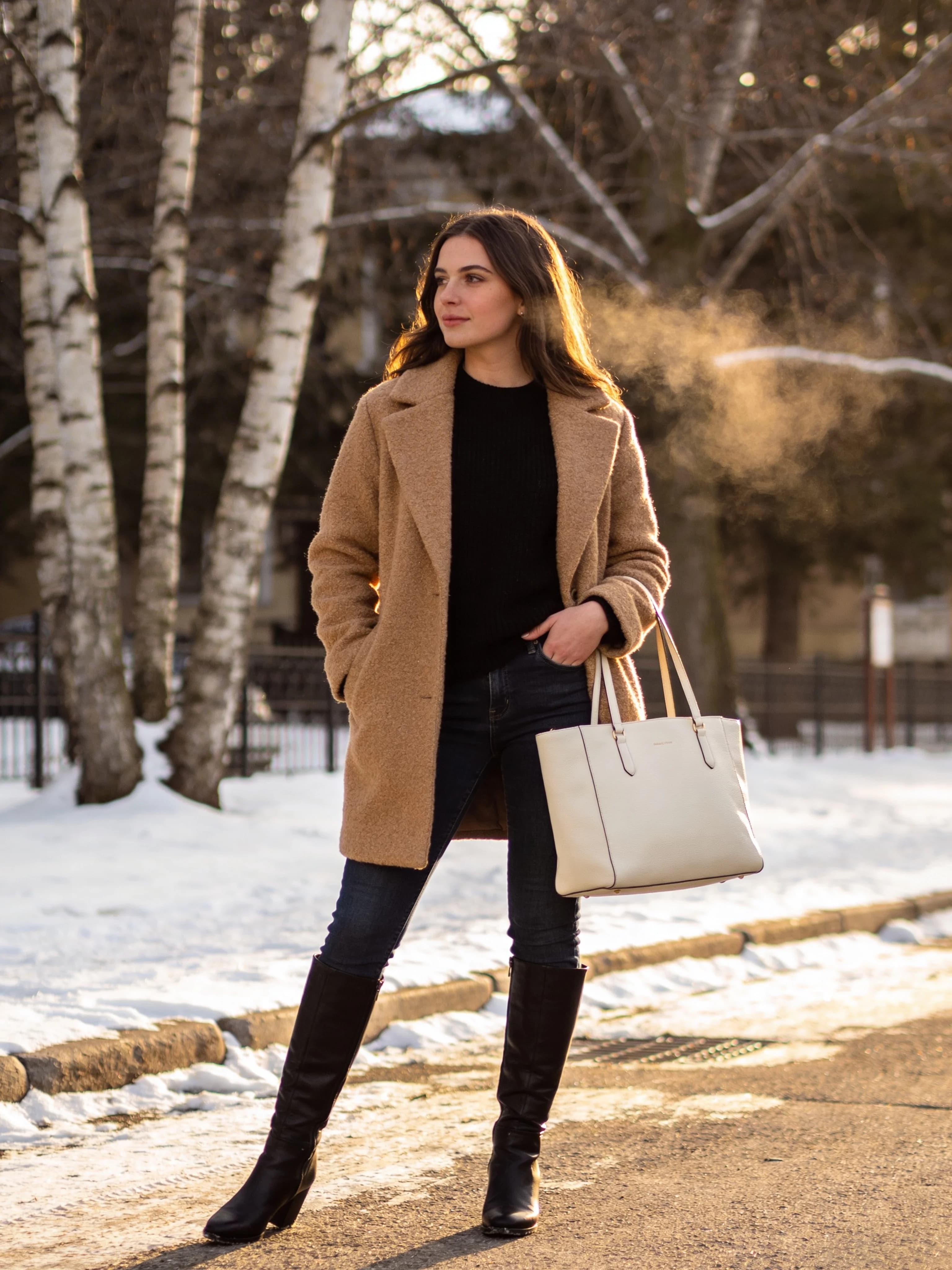
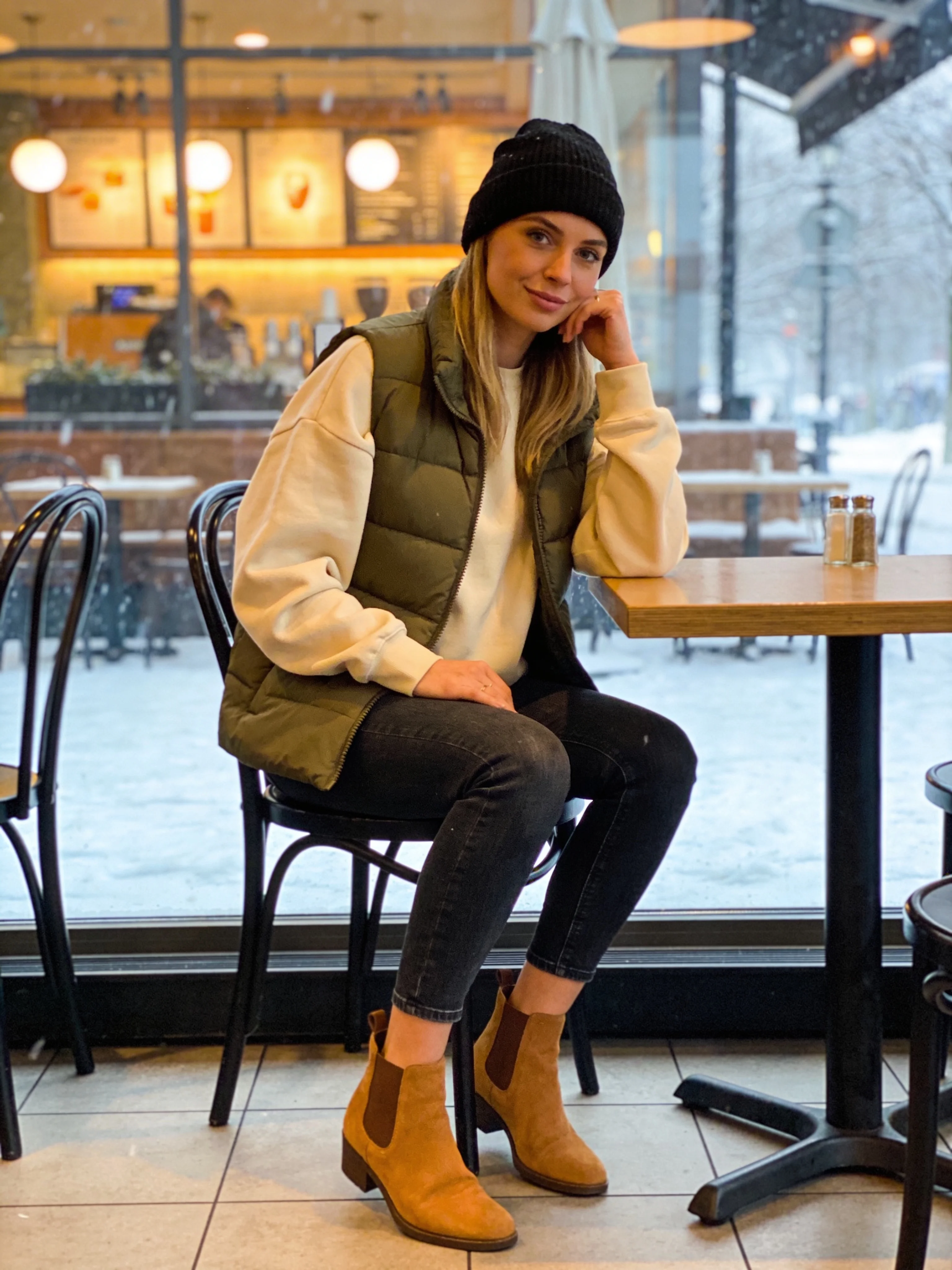
Outfit ideas for Baltimore in Winter

Popular Packing Lists
Style Guide
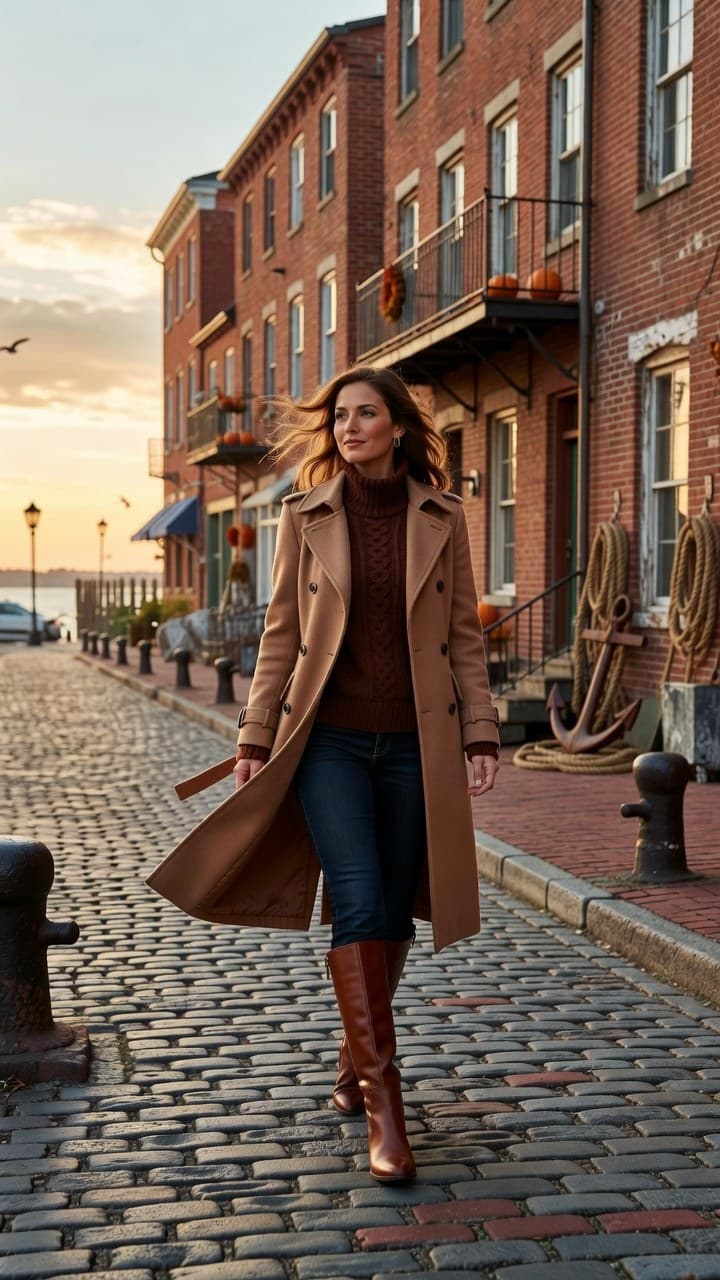
Baltimore Fall 2026 Packing Guide
Pack smart for a stylish, weather-proof trip to Baltimore in fall