Formal
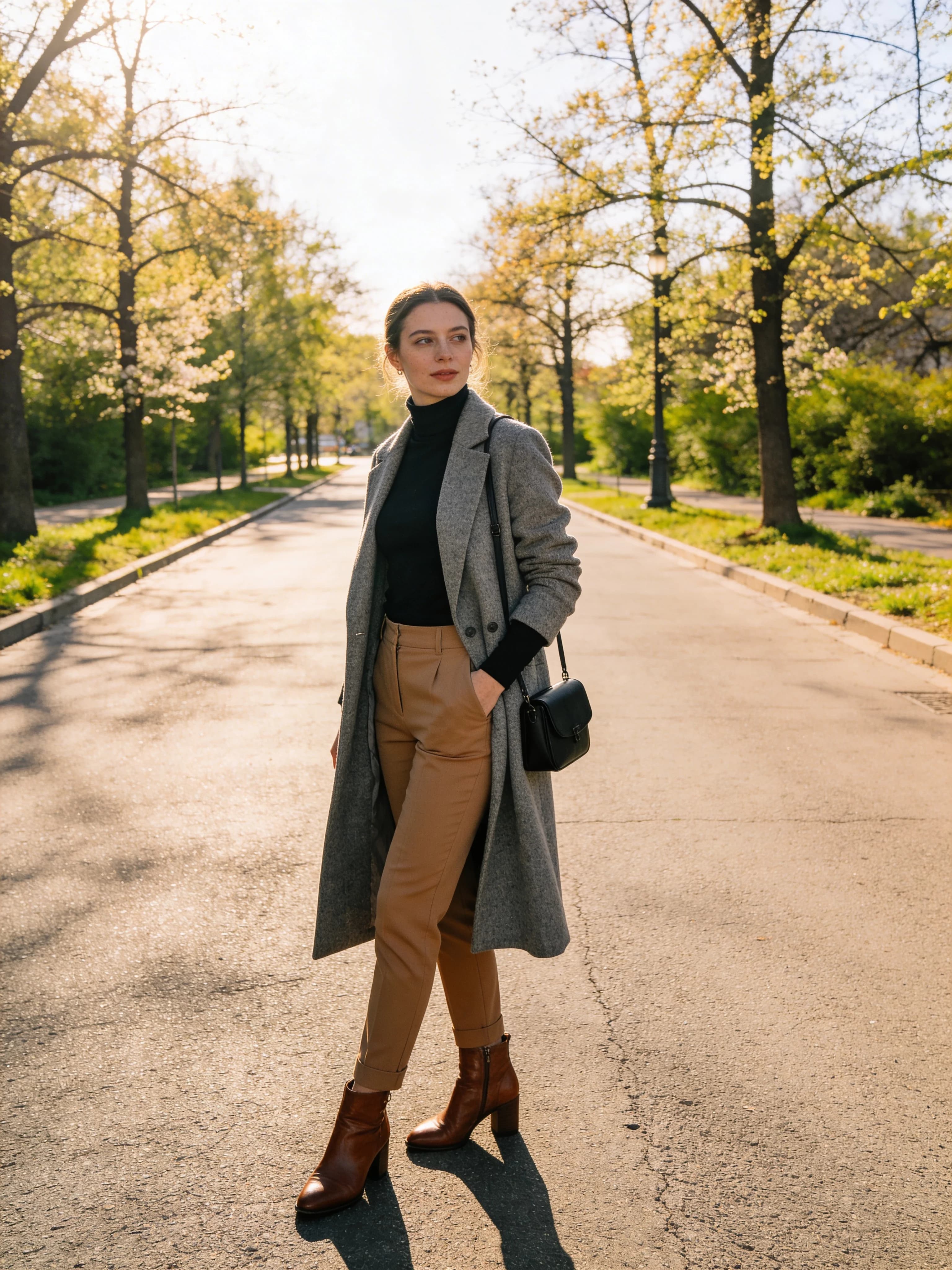
Grey Coat Brown Formal
A grey longline coat worn over camel trousers and a black turtleneck on a cool clear day earns its occasion. Brown leather ankle boots add warmth without disrupting the clean lines.

January in Virginia Beach averages 32–49°F with about 10 rainy days — the coldest month, calling for a substantial winter coat, warm layers, and waterproof boots for the 3½-mile oceanfront boardwalk and First Landing State Park's trails. The Atlantic wind on the exposed boardwalk drives wind chills well below the air temperature, and cold rain, sleet, and occasional snow are all possible. The boardwalk is quiet, dramatic, and windswept in January — beautiful for the properly dressed, unpleasant for the underprepared.
Also packing for this trip?
Full January packing list for Virginia Beach →
Checklist of clothes, shoes, and gear — separate from these outfit ideas.
Compare prices across top booking sites for Jan 1–4.
Powered by Hotellook · prices from Booking.com, Agoda, and more

top / Long-Sleeve Top
fitted long-sleeve

bottom / Jeans
straight-leg
chinos for a slightly smarter look

footwear / Waterproof Boots
ankle boots
rubber sole for traction — keep feet dry all day

outerwear / Light Jacket
bomber
wind-resistant for crisp mornings that warm up later

top / Hoodie
pullover hoodie
adds warmth without overheating
zip-up hoodie for more flexibility
Based on typical January conditions in Virginia Beach. Weather varies year to year — check the live forecast when you're within two weeks of your trip.
January in Virginia Beach ushers in crisp, often raw, winter weather. Expect daily temperatures to generally range from the low 30s°F to the upper 40s°F, though wind chill from the Atlantic can make it feel significantly colder. While snow is less common, light flurries can occur, and there's a moderate likelihood of rain throughout the month. The key to dressing comfortably here in January is smart layering and effective protection against wind and moisture. For daytime explorations, begin with a thermal base layer, followed by a sweater or fleece. A waterproof and windproof insulated coat is non-negotiable, especially if you plan on strolling along the quieter boardwalk or beach. Denim or thick trousers are suitable for bottoms. Given the potential for rain or dampness, waterproof boots with good traction are essential for comfort and safety. Accessorize with a warm hat that covers your ears, gloves or mittens, and a thick scarf to combat the coastal chill. Even if the sun makes a brief appearance, the air remains brisk, so never underestimate the need for comprehensive warmth. Evening outings will require an extra layer of warmth, perhaps a heavier sweater under your insulated coat.
A grey longline coat worn over camel trousers and a black turtleneck on a cool clear day earns its occasion. Brown leather ankle boots add warmth without disrupting the clean lines.
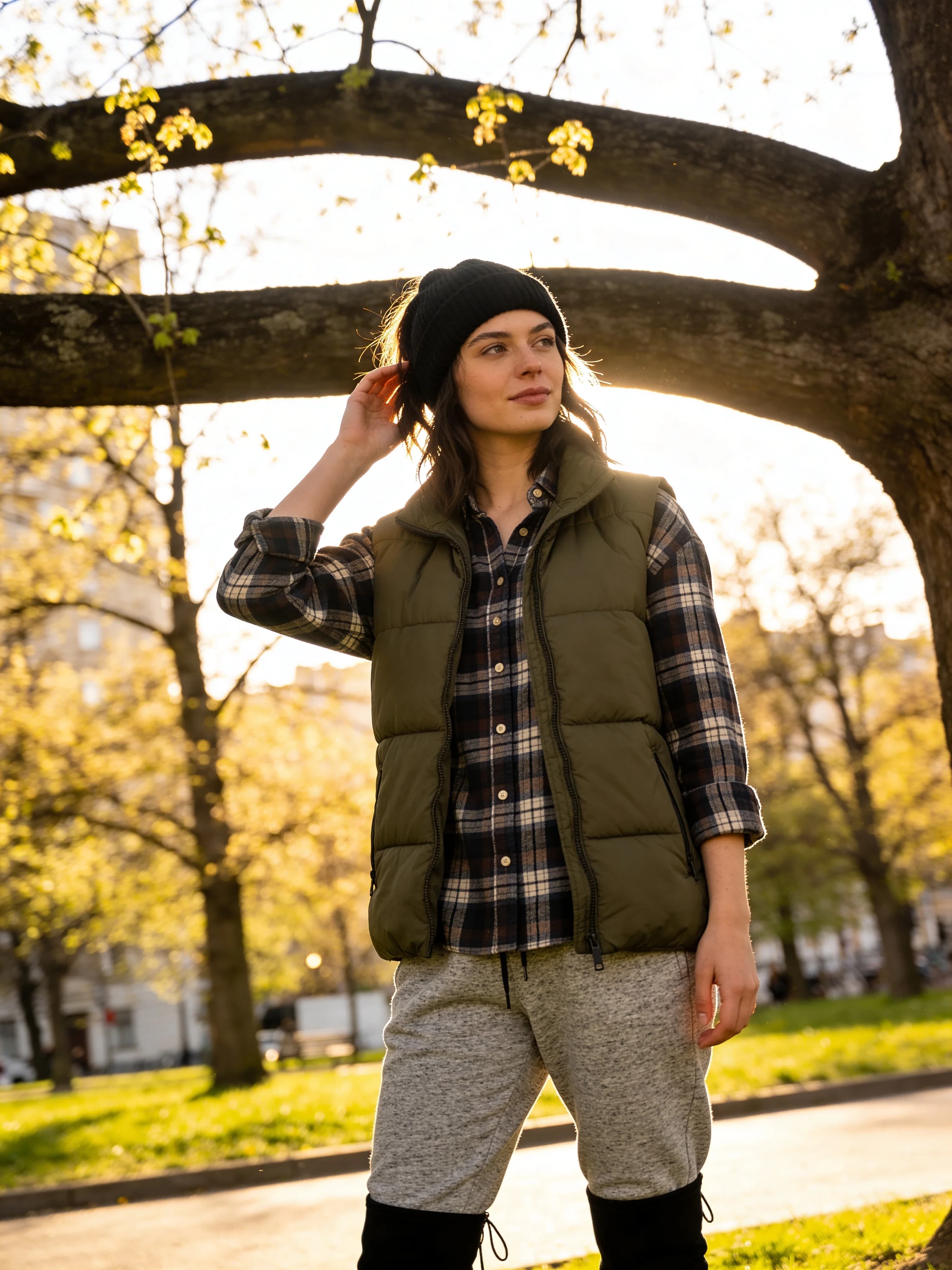
An olive puffer vest over a plaid flannel and grey joggers is the cool-clear casual combination that still looks considered. Black knee-high boots with joggers is the part that shouldn't work — but does.
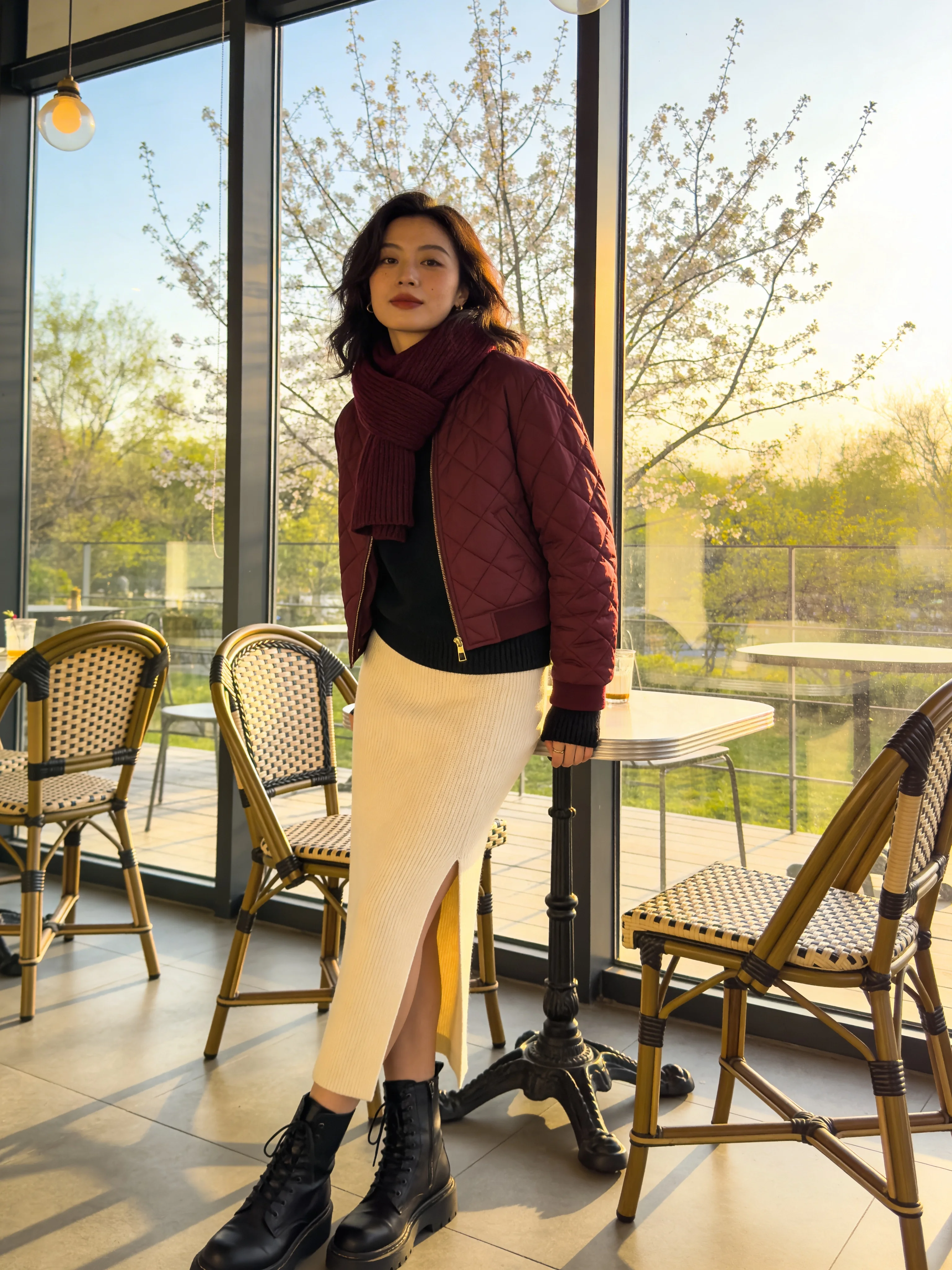
A burgundy quilted jacket over a black crewneck and cream maxi skirt is sharper than the forecast demands on a cool clear day. Black combat boots and a burgundy scarf land the look.
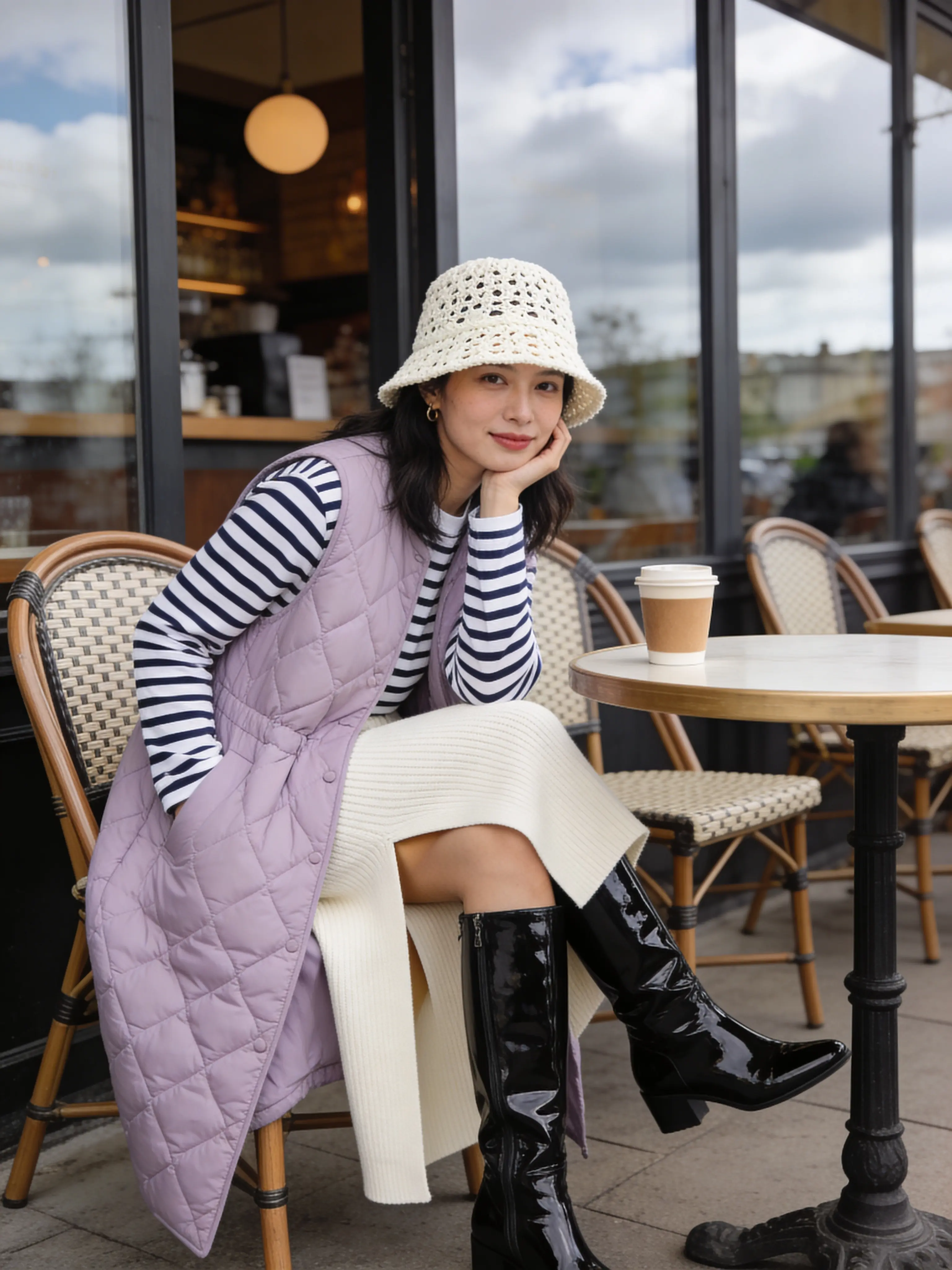
Clear skies at 45–54°F let the quilted lilac vest take the lead over a Breton stripe and cream maxi. Patent thigh-high boots make the whole thing slightly more interesting than expected.
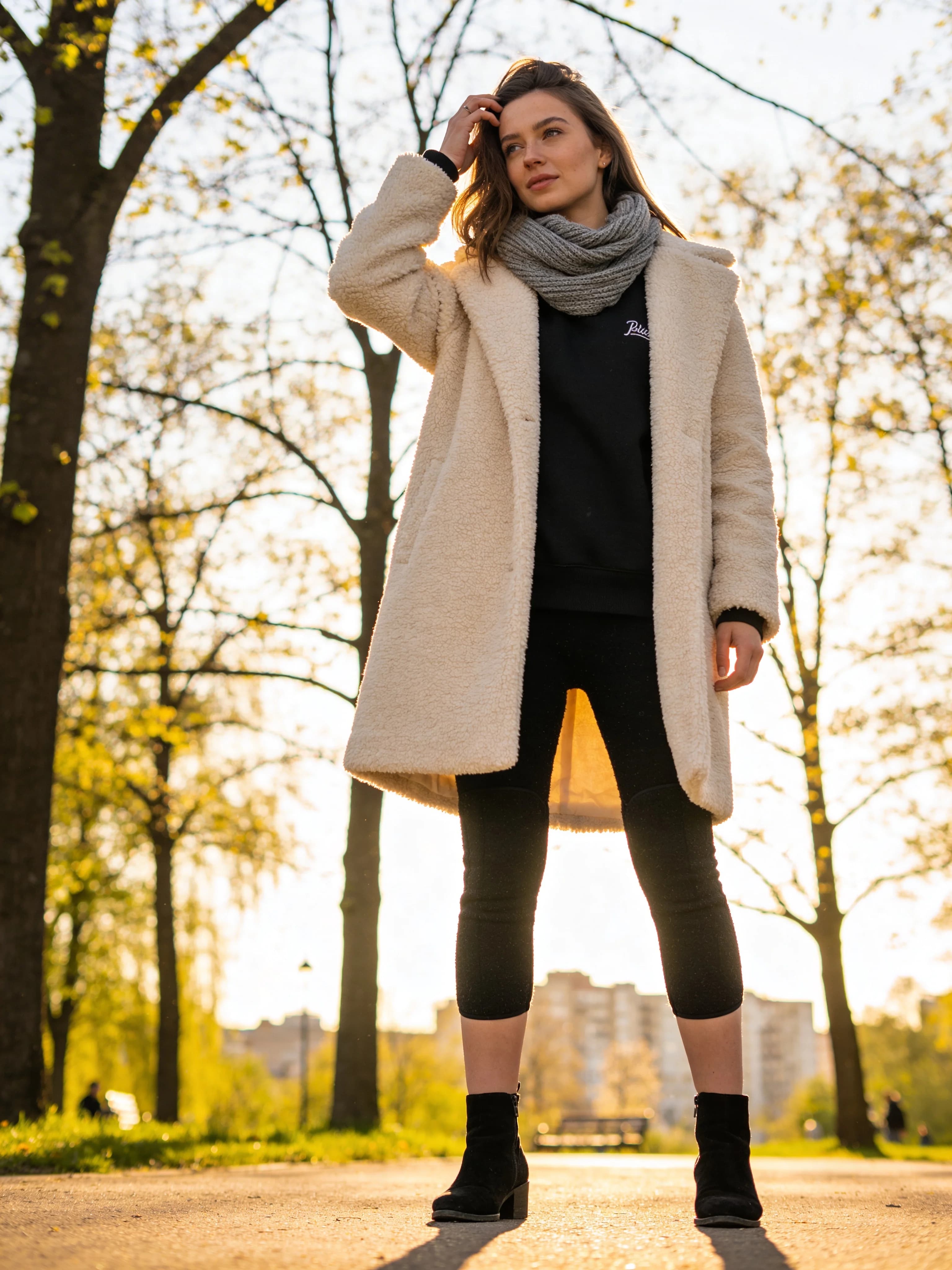
A cream teddy coat over a black crewneck and fleece-lined leggings is warm without being heavy. A grey knit scarf worn loose over the coat is the only accessory it needs.
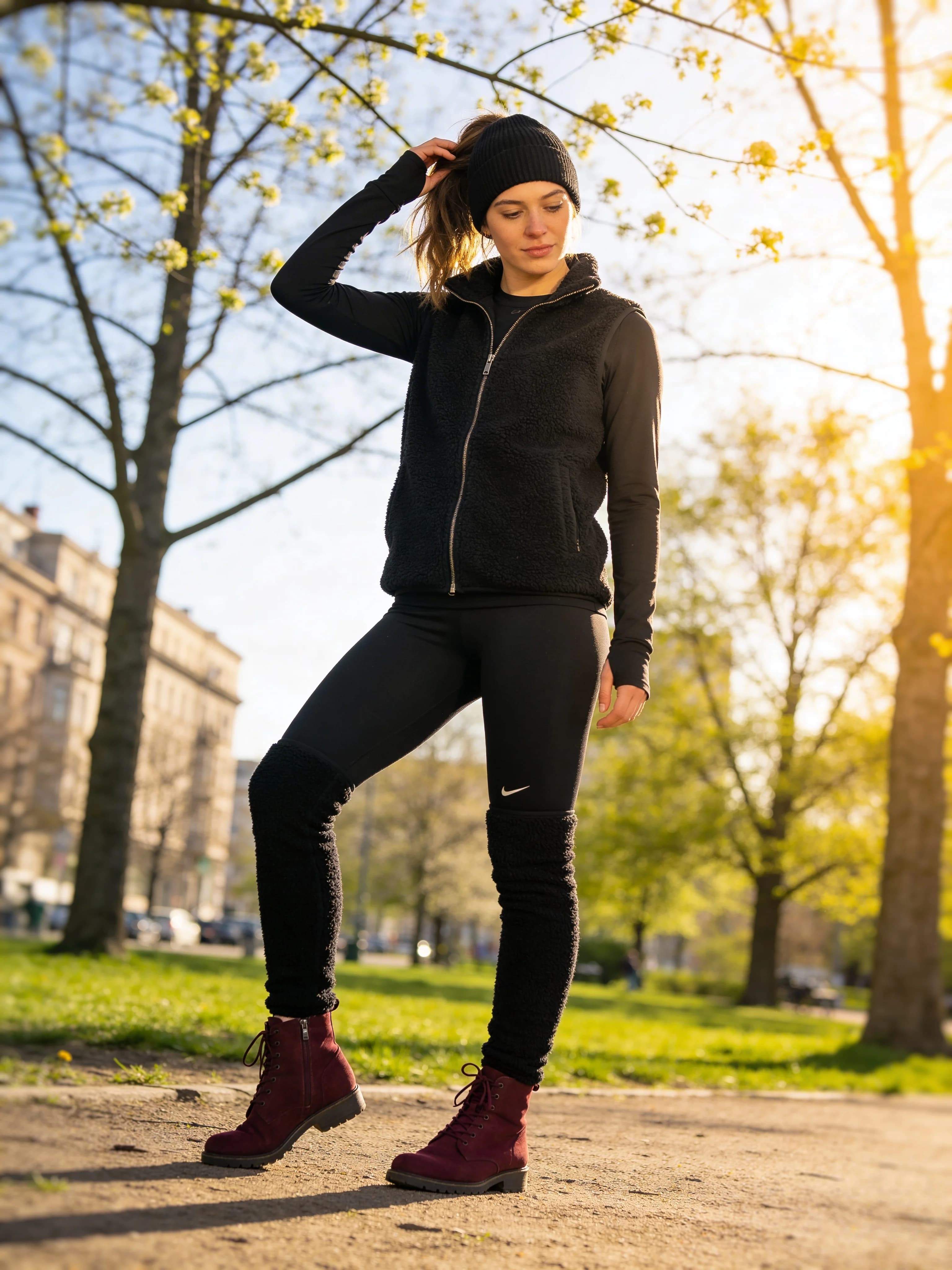
A black fleece zip-up over a long-sleeve athletic top and fleece leggings on a cool clear day is the sporty base that works. Burgundy ankle boots break the monochrome with one precise hit of colour.
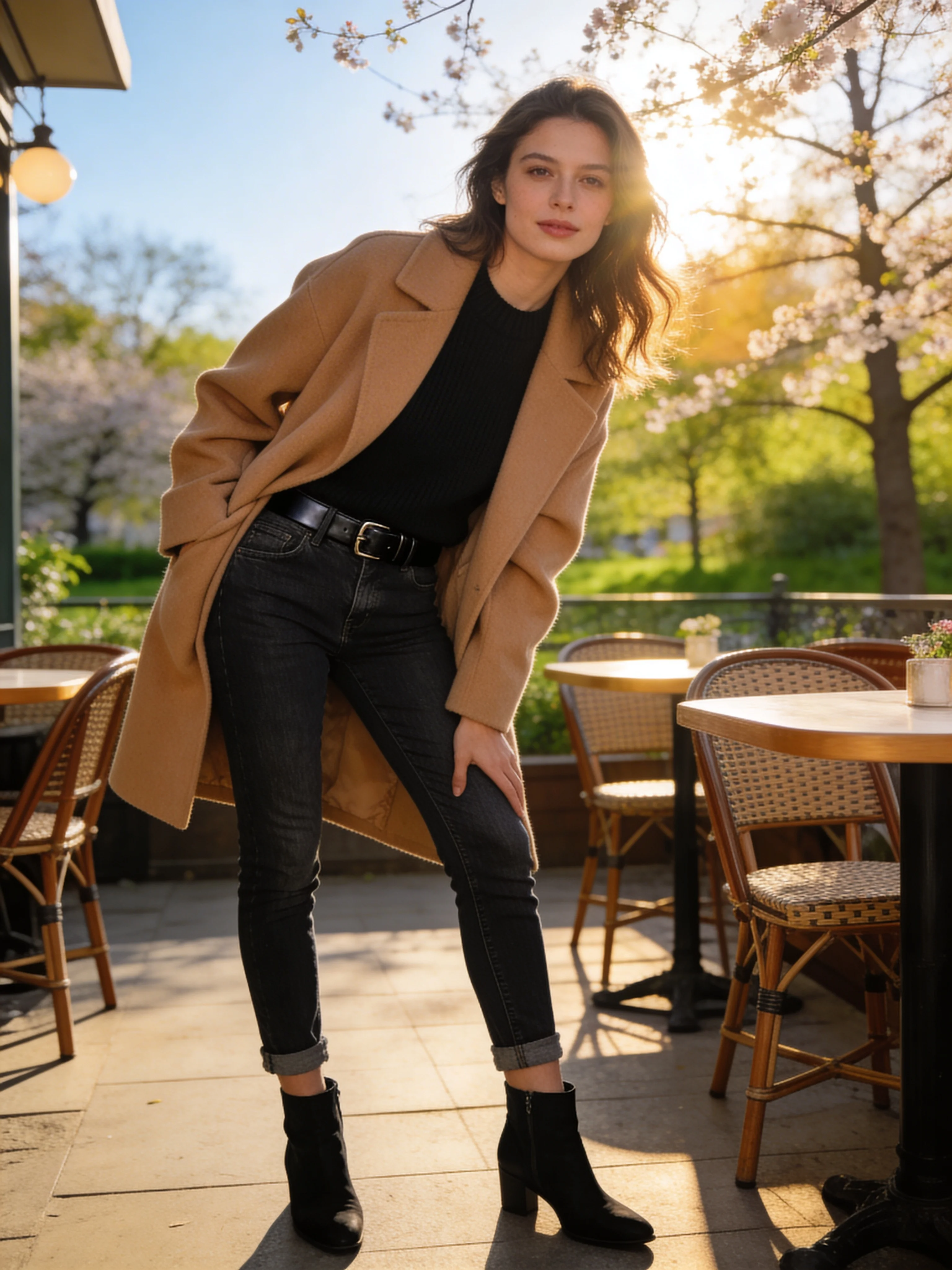
A camel coat over dark indigo jeans cinched with a black leather belt gives structure on a cool clear day. Black ankle boots are the straightforward finish.
Focus on warm, waterproof layers. Pack thermal base layers, sweaters, a heavy insulated and waterproof coat, sturdy waterproof boots, and winter accessories like hats, gloves, and scarves to combat the chilly coastal winds and potential for rain.
Yes, Virginia Beach in January is definitely cold. Average daytime highs are typically in the low 40s°F, with overnight lows often dropping into the upper 20s°F. The persistent coastal breeze from the Atlantic can make the ambient temperature feel even colder.
January typically sees moderate precipitation in Virginia Beach. While it's predominantly rain, light snow flurries are not uncommon during colder fronts. Bringing a waterproof outer layer and waterproof footwear is highly recommended to stay dry.
Pack warm clothing designed for layering: thermal underwear, sweaters, fleece tops, and an insulated, windproof, and waterproof winter coat. Essential accessories include a warm hat, gloves, a scarf, and waterproof boots with good grip for any outdoor activities or beach walks.
Packing tools
Free calculators — city and month pre-filled when we know them. No account required. Start with how many outfits, sudoku packing, or bag fees.
Trip
Planning a trip to one city?
One city → typical weather for your month, packing counts that fit your bags, and email your plan.
Outfits
How many outfits for this trip?
Trip length, bag size, and climate → exact tops, bottoms, layers, and outfit combinations.
Jacket
Not sure about a jacket?
City + month → base / mid / shell stack and pack-or-skip verdicts for rain jacket, coat, and thermals.
Shoes
Shoes for this climate?
Climate, activities, and bag size → pair count, primary/backup types, and climate-matched picks.
Bags
Will this trip cost bag fees?
Airline + fare bucket + bags you plan to bring → fit verdicts and typical carry-on / checked fee ranges.
Capsule
Try sudoku packing for this climate?
City + month → climate-ready 3 tops / 3 bottoms / 3 layers you can edit — up to 27 mix-and-match outfits.