
Packing List
January Packing List for Chicago — What to Wear & Bring
January is Chicago's coldest month — a 32°F high that feels like 10°F or colder on the Magnificent Mile when the lake wind is blowing. With 11 precipitation days and overnight lows at 17°F, you need a full parka, thermal base layers, and boots rated for real winter conditions.
Averages 1732°F, ~11 days of rain
Edited by ForecastStyle·Last updated March 26, 2026
Hotels in Chicago
Compare prices across top booking sites for Jan 1–4.
Powered by Hotellook · prices from Booking.com, Agoda, and more
Free PDF
Get this packing list as a PDF
We'll email you a beautifully formatted version, ready to travel with.
0 of 17 packed
Essentials
If you only pack a few things, pack these.
Clothing
Footwear
Accessories
Gear
Shop picks for Chicago in January
Full climate-matched shoe guide for January →
Outerwear
Oatmeal Long Knit Duster Cardigan
Shop on Amazon →
Outerwear
The Fireside Plaid Blazer in Green
Shop on Amazon →
Footwear
Cream Waterproof Hot-City Slip-Ons
Shop on Amazon →
Footwear
Olive Quick-Dry Tropical Rain Sneakers
Shop on Amazon →
Tops
Hot Pink Ultralight Crew Tee
Shop on Amazon →
Tops
Sage Green Quick-Dry Scoop Tank
Shop on Amazon →
Affiliate links — ForecastStyle earns a small commission at no extra cost to you.
Local tips for Chicago in January
Chicago's January wind chill is the city's defining weather feature — always check the feels-like temperature on the day, not just the air temperature; a 20°F day with a 20 mph lake wind registers closer to 0°F on the Magnificent Mile.
The L train's elevated platforms in Chicago are brutally cold in January — the Brown Line and Red Line outdoor platforms at exposed stations like Belmont and Fullerton have no shelter and full wind exposure; add a layer before boarding.
Chicago's indoor restaurant and lobby temperatures are often set to 72°F+ to compensate for January cold — plan your outfit for easy removal of layers so you're not sweating through an expensive dinner after navigating a 10°F windchill to get there.
FAQ — Chicago in January
More tools for Chicago in January
What to wear
Outfit ideas for Chicago in January →
Layering looks and style guidance matched to the month's weather.
Best shoes
Shoe picks for January →
Waterproof, breathable, insulated — matched to the month.
Pack or skip
Umbrella? Winter coat? Sunscreen? →
Item-by-item verdict for January.
Comfort check
Will I be cold or hot? →
Day and night temp bands for January.
Packing tools
Decide jackets, outfits, shoes, and bag fees for Chicago in January
Free calculators — city and month pre-filled when we know them. No account required. Start with how many outfits, sudoku packing, or bag fees.
Trip
Planning a trip to one city?
One city → typical weather for your month, packing counts that fit your bags, and email your plan.
Outfits
How many outfits for this trip?
Trip length, bag size, and climate → exact tops, bottoms, layers, and outfit combinations.
Jacket
Not sure about a jacket?
City + month → base / mid / shell stack and pack-or-skip verdicts for rain jacket, coat, and thermals.
Shoes
Shoes for this climate?
Climate, activities, and bag size → pair count, primary/backup types, and climate-matched picks.
Bags
Will this trip cost bag fees?
Airline + fare bucket + bags you plan to bring → fit verdicts and typical carry-on / checked fee ranges.
Capsule
Try sudoku packing for this climate?
City + month → climate-ready 3 tops / 3 bottoms / 3 layers you can edit — up to 27 mix-and-match outfits.
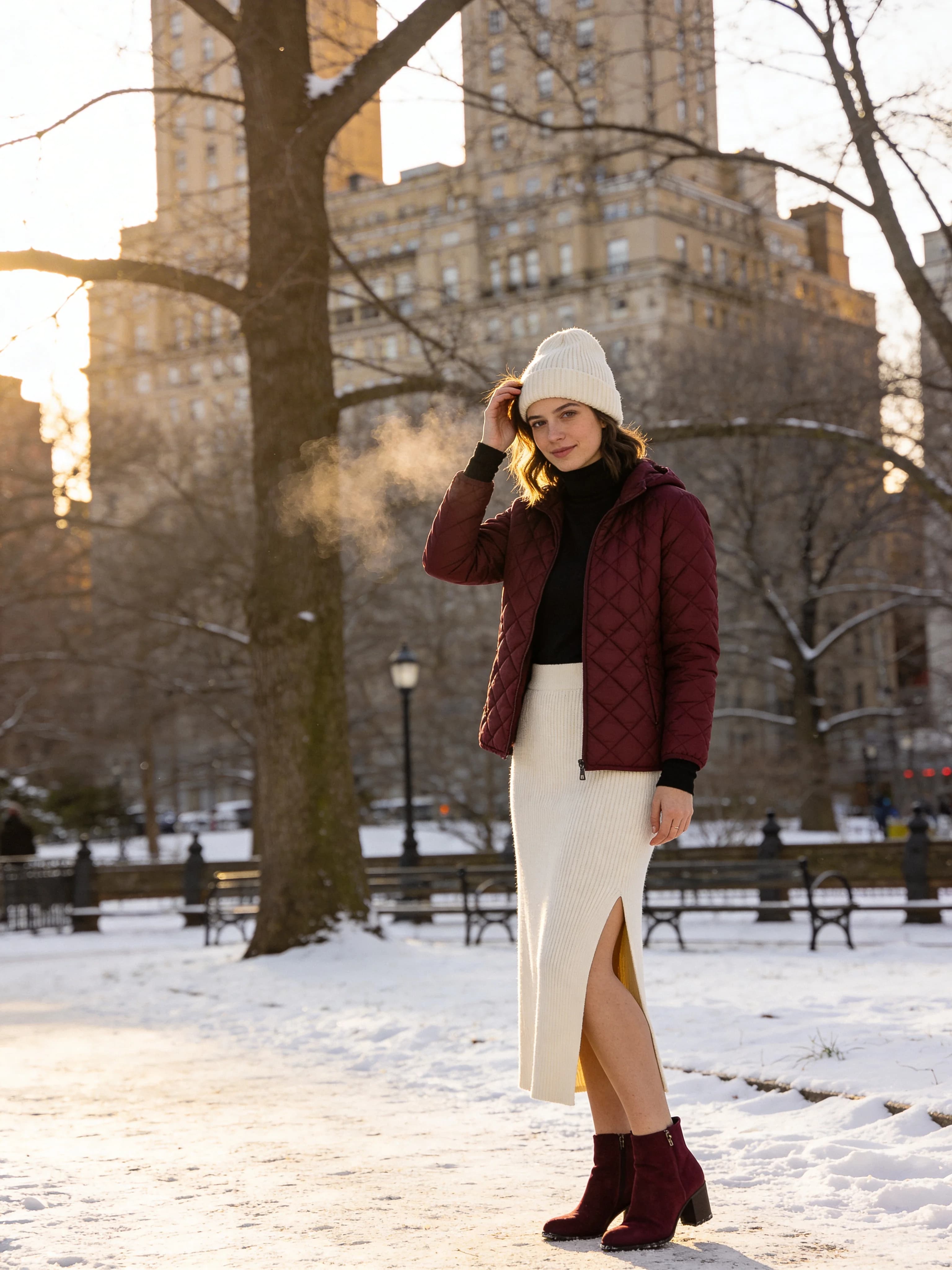
Outfit ideas for Chicago in Winter



Popular Packing Lists
Style Guide
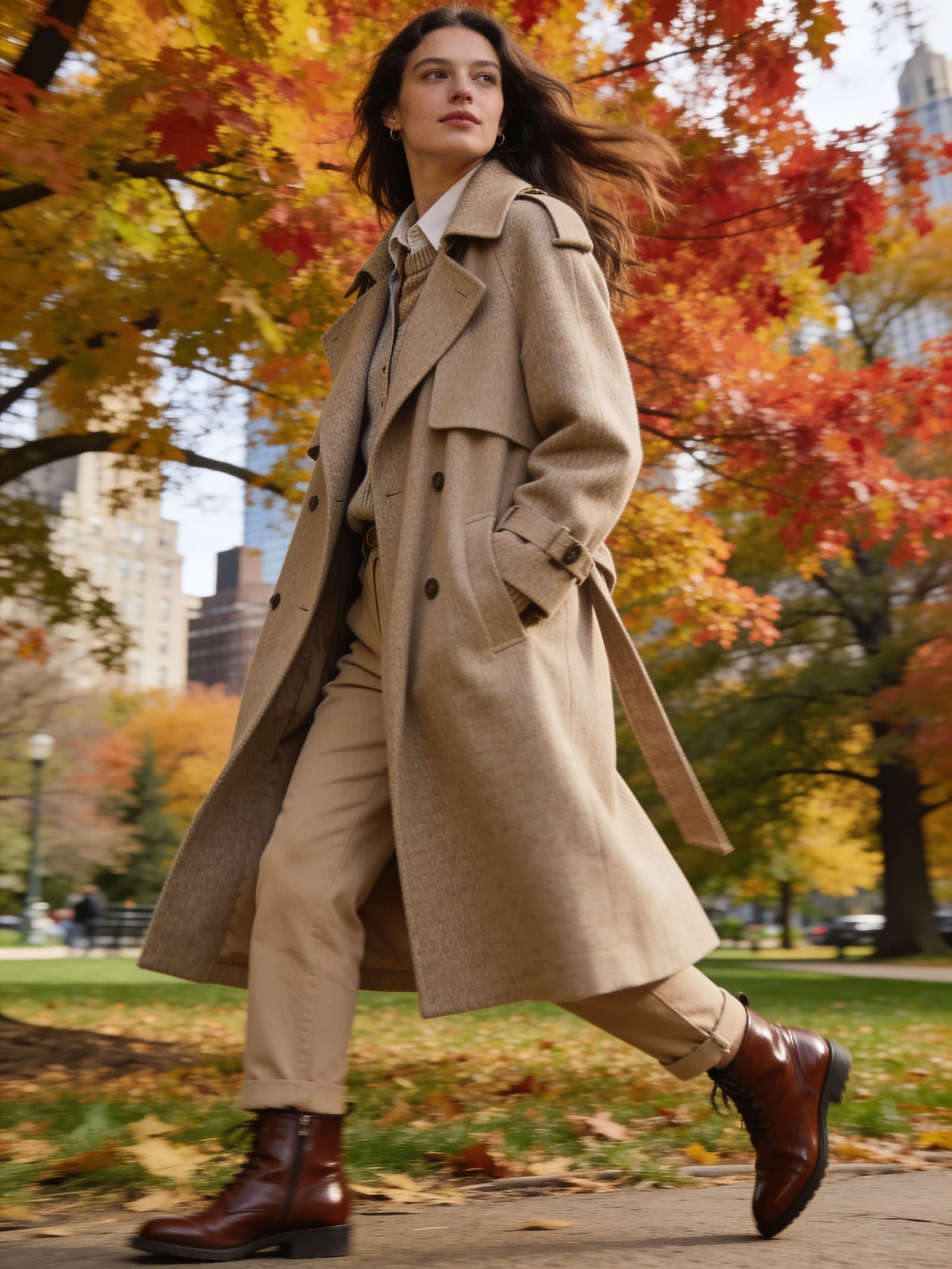
Chicago Fall 2026 Packing Guide
Pack smart for a stylish, weather-proof trip to Chicago in fall