Packing List
February Packing List for Milwaukee — What to Wear & Bring
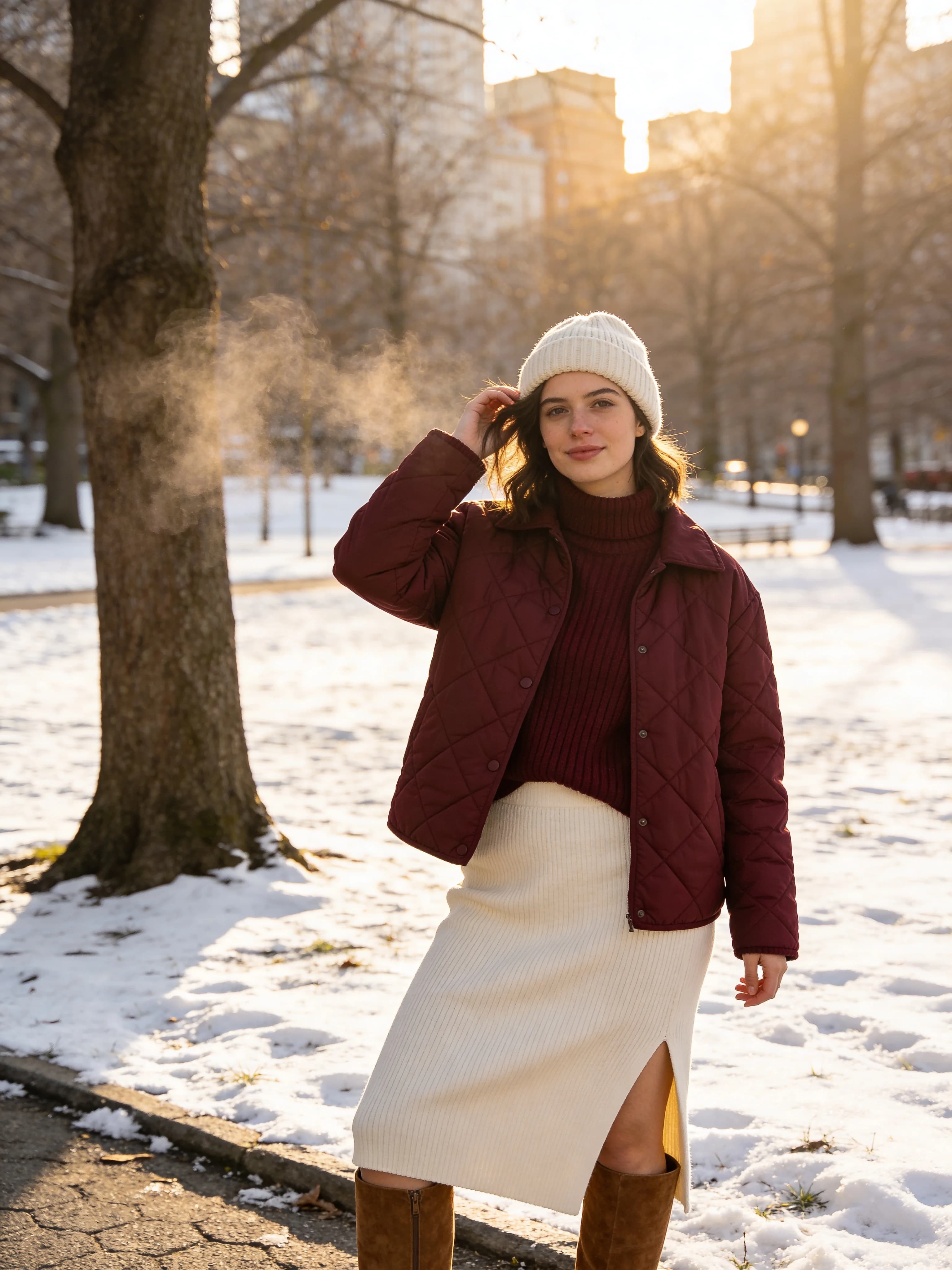
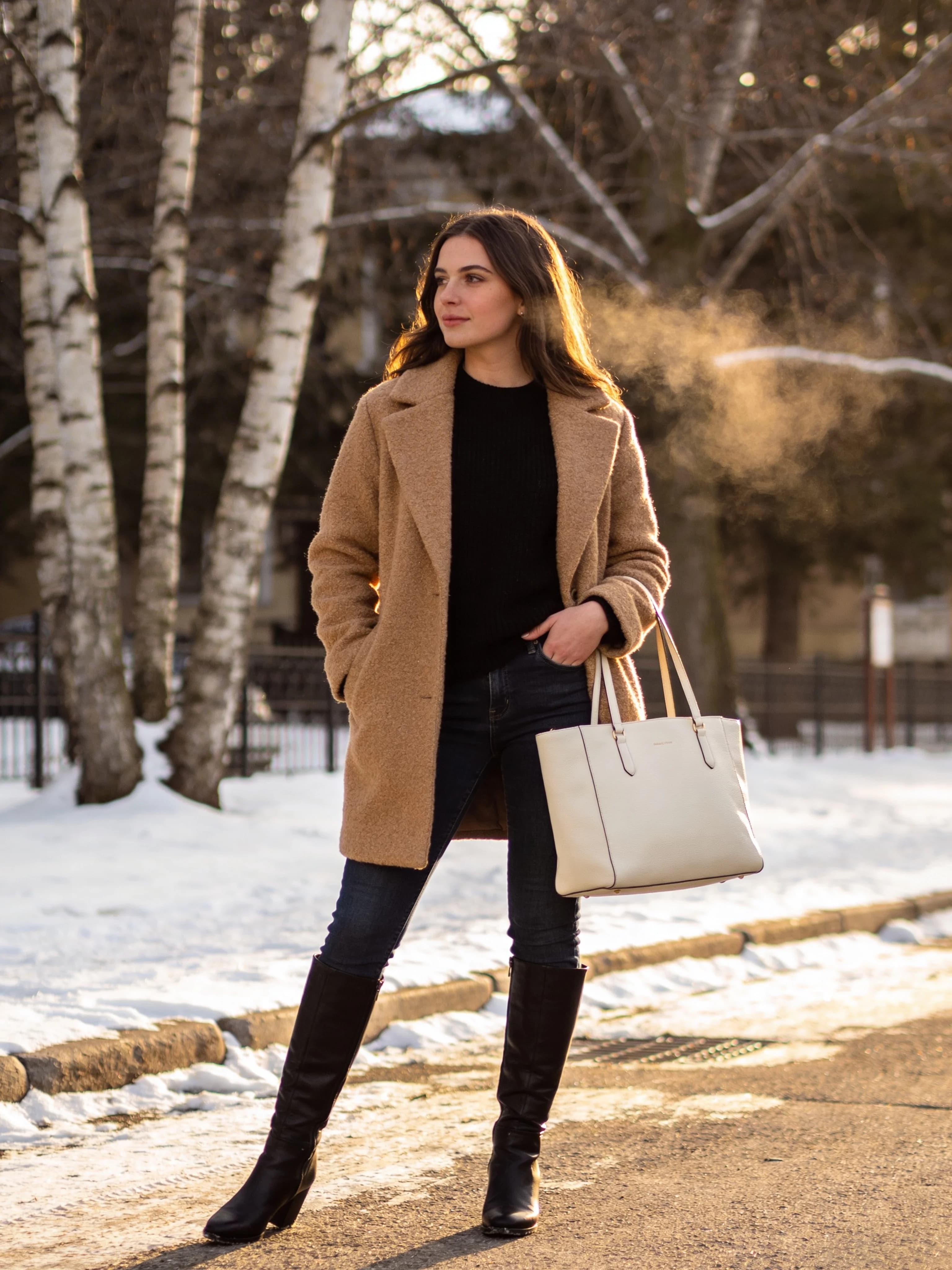
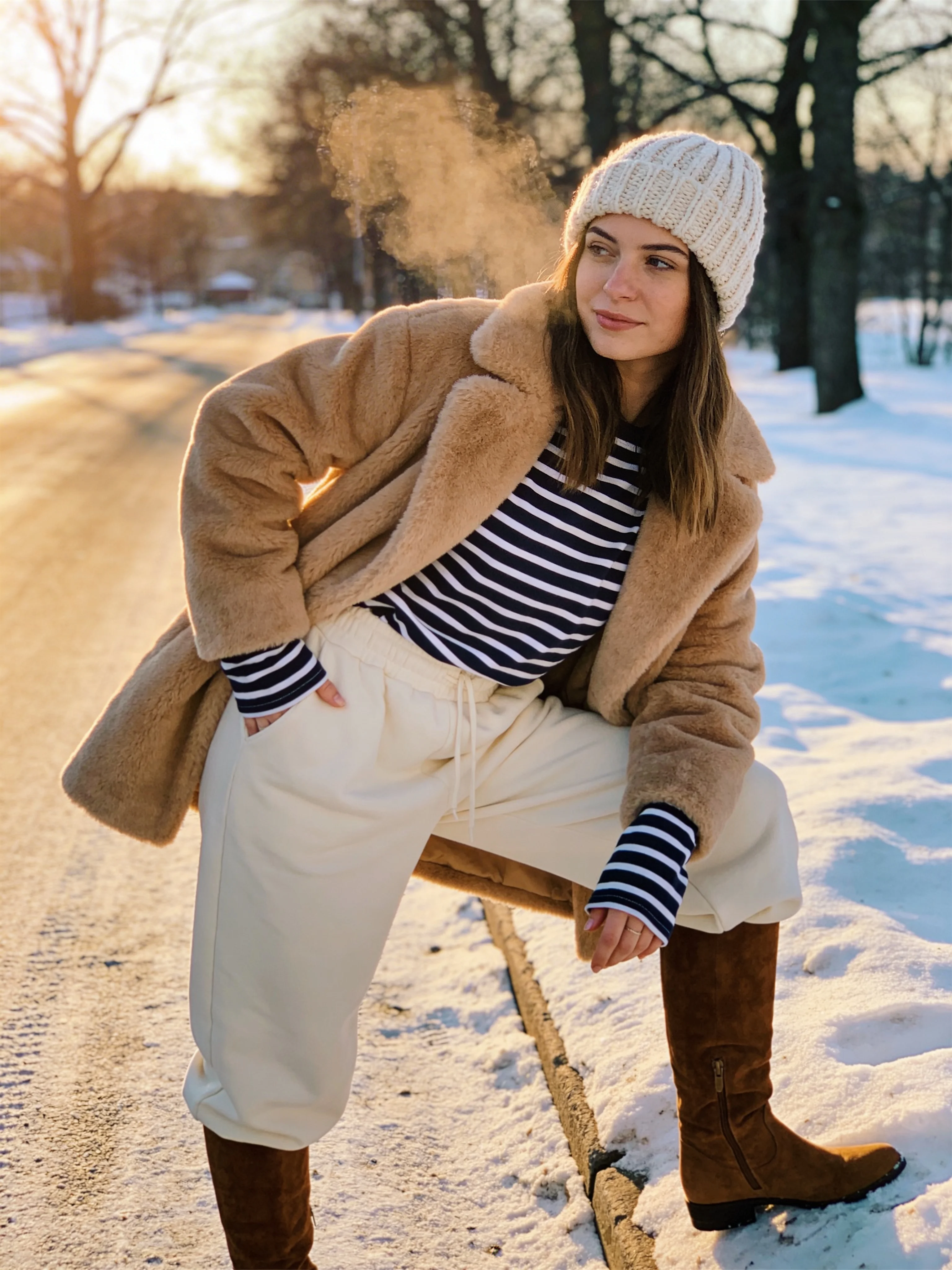
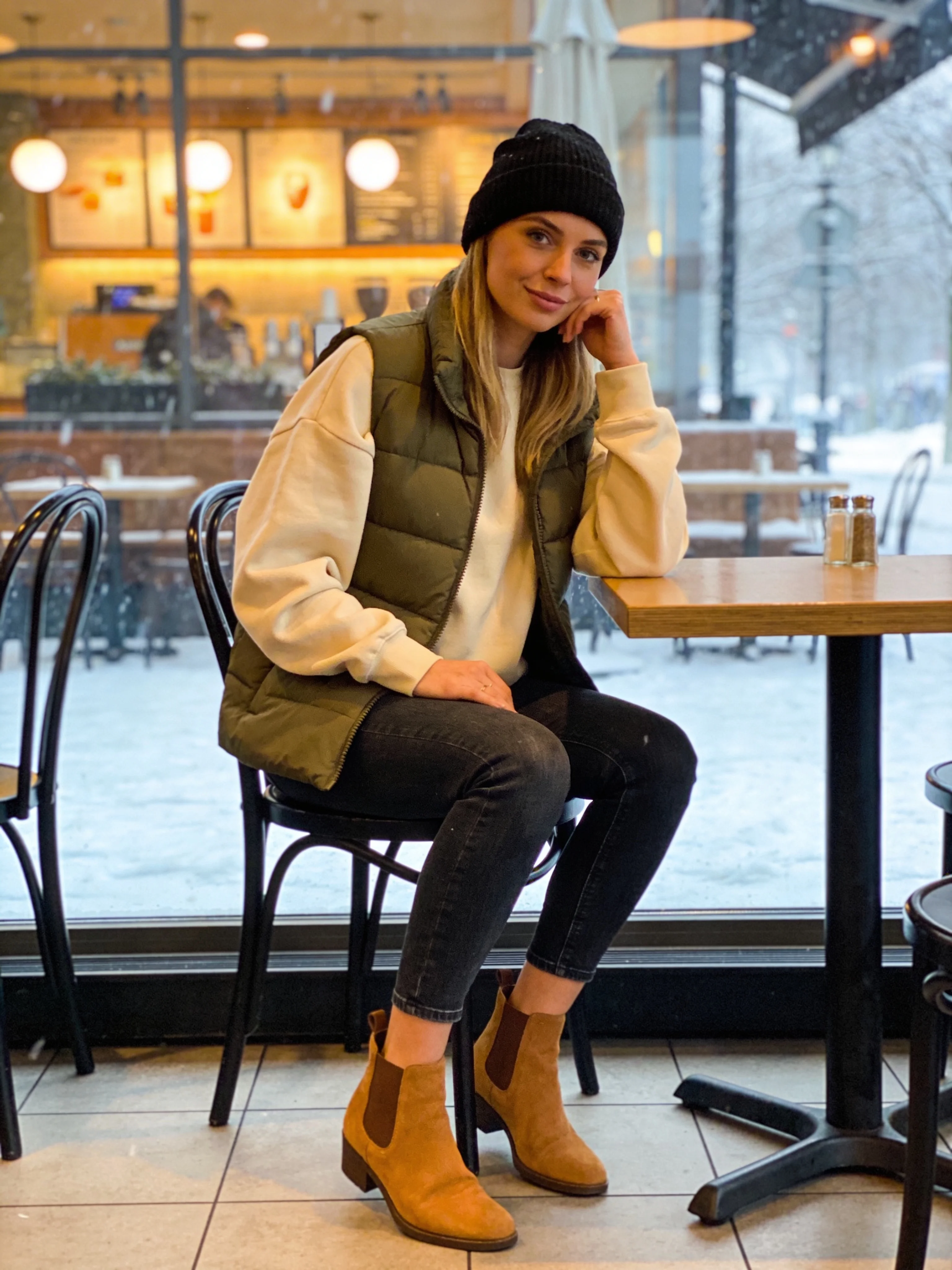
Pack the same winter arsenal as January: heavy parka, insulated waterproof boots with ice cleats, thermal base layers, waterproof gloves, and full face coverage. Milwaukee's February freeze-thaw cycle makes ice on Historic Third Ward brick streets even more treacherous than January's consistent freeze.
Averages 1732°F, ~9 days of rain
Edited by ForecastStyle·Last updated March 26, 2026
Hotels in Milwaukee
Compare prices across top booking sites for Feb 1–4.
Powered by Hotellook · prices from Booking.com, Agoda, and more
Free PDF
Get this packing list as a PDF
We'll email you a beautifully formatted version, ready to travel with.
0 of 15 packed
Essentials
If you only pack a few things, pack these.
Clothing
Footwear
Accessories
Gear
Shop picks for Milwaukee in February
Full climate-matched shoe guide for February →
Outerwear
Oatmeal Long Knit Duster Cardigan
Shop on Amazon →
Outerwear
The Fireside Plaid Blazer in Green
Shop on Amazon →
Footwear
Cream Waterproof Hot-City Slip-Ons
Shop on Amazon →
Footwear
Olive Quick-Dry Tropical Rain Sneakers
Shop on Amazon →
Tops
Hot Pink Ultralight Crew Tee
Shop on Amazon →
Tops
Sage Green Quick-Dry Scoop Tank
Shop on Amazon →
Affiliate links — ForecastStyle earns a small commission at no extra cost to you.
Local tips for Milwaukee in February
Milwaukee's February freeze-thaw cycle is the city's most treacherous ice season — morning ice is often invisible until you're standing on it, so boot grip matters more in February than even January's consistent deep freeze.
The Milwaukee Art Museum's Santiago Calatrava addition is spectacular against a February Lake Michigan snowscape — bring polarized sunglasses for the lakefront glare and dress for full winter cold on the exposed lakefront plaza.
Milwaukee's February Restaurant Week typically falls mid-month — the Historic Third Ward and East Side offer walkable clusters of heated restaurants perfect for warming up between courses in extreme cold.
FAQ — Milwaukee in February
More tools for Milwaukee in February
What to wear
Outfit ideas for Milwaukee in February →
Layering looks and style guidance matched to the month's weather.
Best shoes
Shoe picks for February →
Waterproof, breathable, insulated — matched to the month.
Pack or skip
Umbrella? Winter coat? Sunscreen? →
Item-by-item verdict for February.
Comfort check
Will I be cold or hot? →
Day and night temp bands for February.
Packing tools
Decide jackets, outfits, shoes, and bag fees for Milwaukee in February
Free calculators — city and month pre-filled when we know them. No account required. Start with how many outfits, sudoku packing, or bag fees.
Trip
Planning a trip to one city?
One city → typical weather for your month, packing counts that fit your bags, and email your plan.
Outfits
How many outfits for this trip?
Trip length, bag size, and climate → exact tops, bottoms, layers, and outfit combinations.
Jacket
Not sure about a jacket?
City + month → base / mid / shell stack and pack-or-skip verdicts for rain jacket, coat, and thermals.
Shoes
Shoes for this climate?
Climate, activities, and bag size → pair count, primary/backup types, and climate-matched picks.
Bags
Will this trip cost bag fees?
Airline + fare bucket + bags you plan to bring → fit verdicts and typical carry-on / checked fee ranges.
Capsule
Try sudoku packing for this climate?
City + month → climate-ready 3 tops / 3 bottoms / 3 layers you can edit — up to 27 mix-and-match outfits.