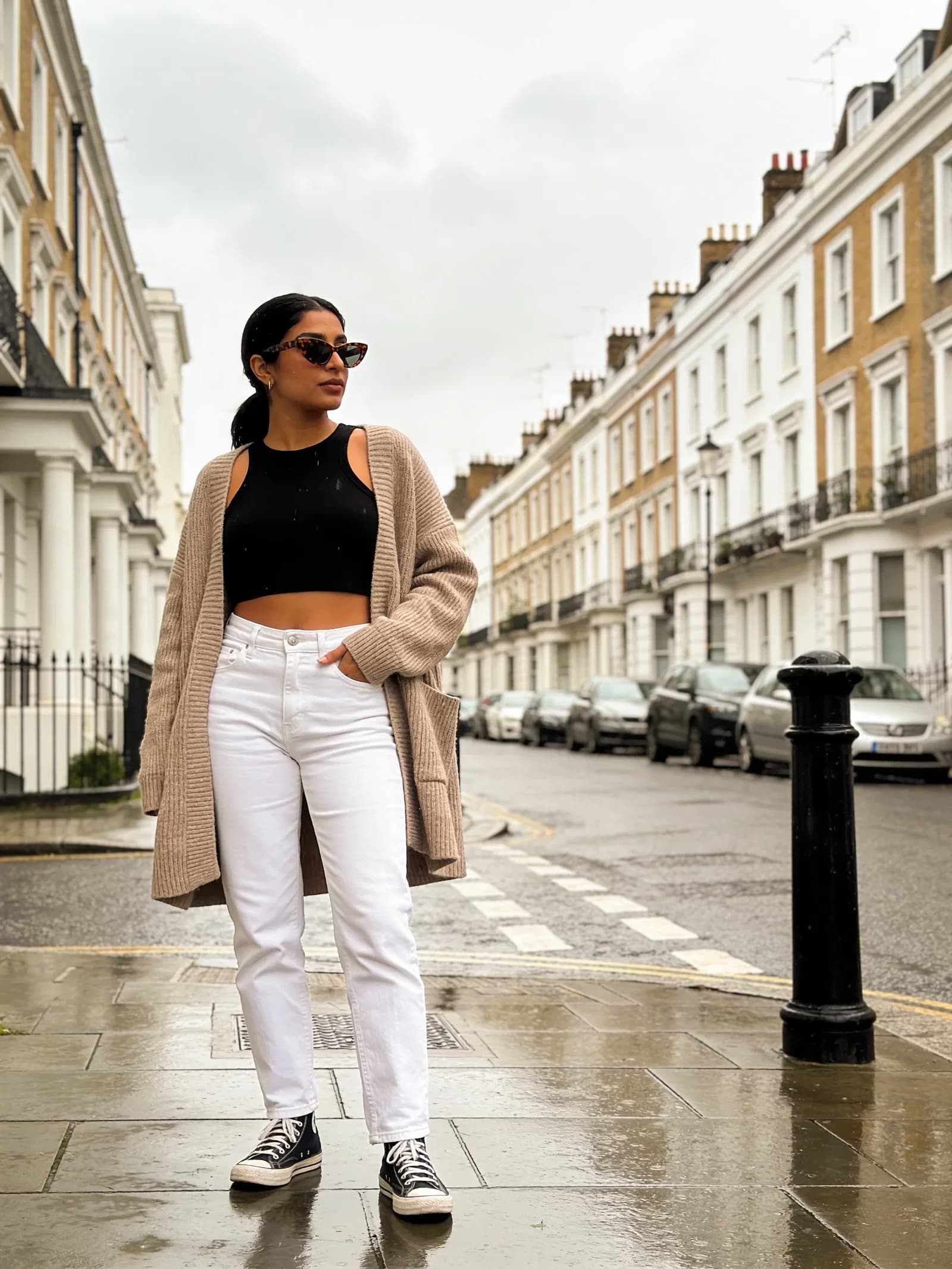
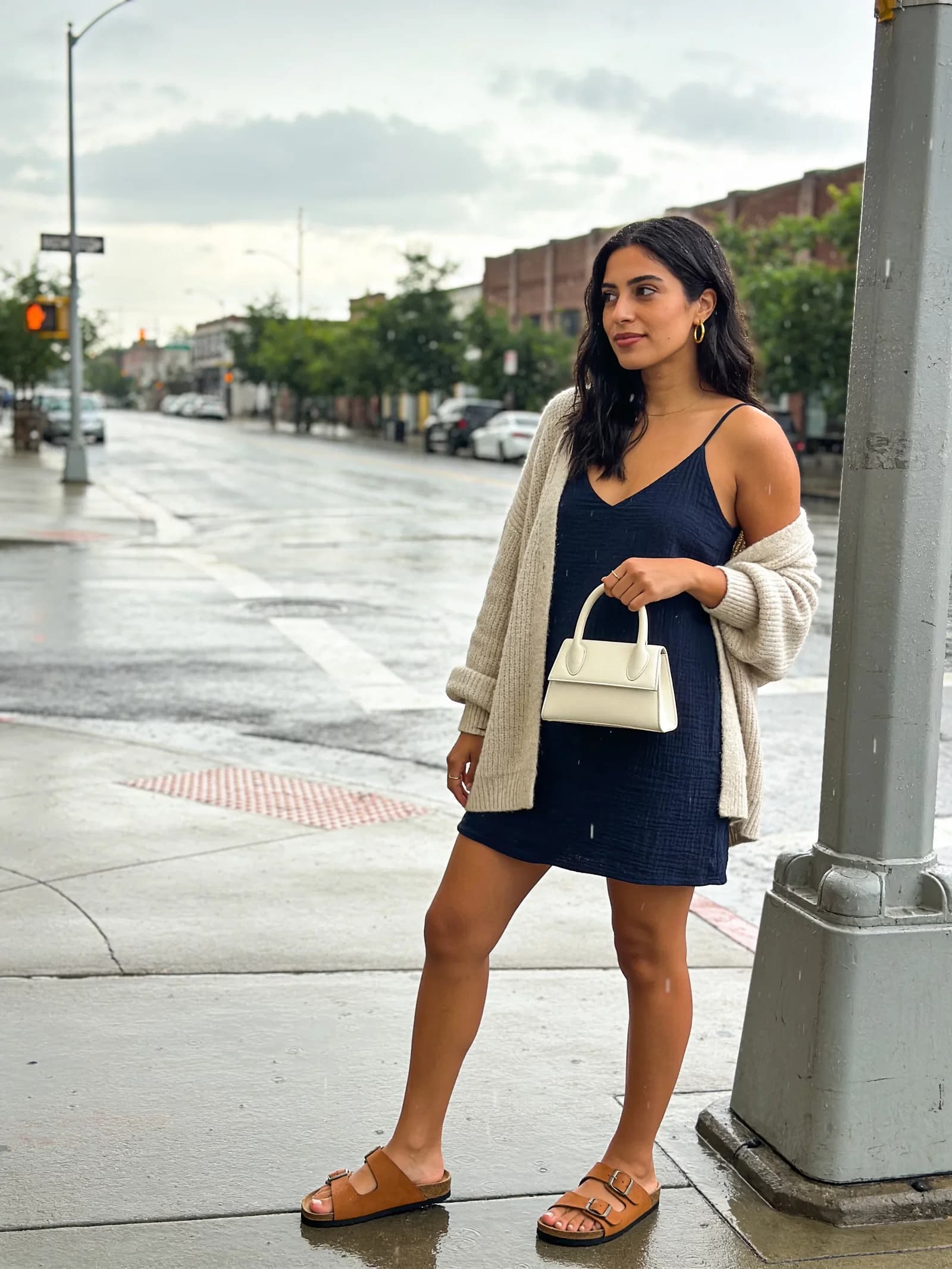
Packing List
May Packing List for New Orleans — What to Wear & Bring
May marks the transition into New Orleans' hot, humid season — 85°F highs, 68°F lows, and 9 precipitation days. The second weekend of Jazz Fest falls in early May, and the heat is noticeably more intense than April's festival weekend. Humidity climbs significantly, making breathable natural fabrics essential. June 1 officially starts hurricane season, and May's building storm patterns bring heavier afternoon downpours. Pack your lightest summer clothes, serious sun protection, rain gear, and water-resistant shoes.
Averages 6885°F, ~9 days of rain
Edited by ForecastStyle·Last updated March 31, 2026
Hotels in New Orleans
Compare prices across top booking sites for May 1–4.
Powered by Hotellook · prices from Booking.com, Agoda, and more
Free PDF
Get this packing list as a PDF
We'll email you a beautifully formatted version, ready to travel with.
0 of 11 packed
Essentials
If you only pack a few things, pack these.
Clothing
Footwear
Accessories
Shop picks for New Orleans in May
Full climate-matched shoe guide for May →
Outerwear
Oatmeal Long Knit Duster Cardigan
Shop on Amazon →
Outerwear
The Fireside Plaid Blazer in Green
Shop on Amazon →
Footwear
Cream Waterproof Hot-City Slip-Ons
Shop on Amazon →
Footwear
Olive Quick-Dry Tropical Rain Sneakers
Shop on Amazon →
Tops
Hot Pink Ultralight Crew Tee
Shop on Amazon →
Tops
Sage Green Quick-Dry Scoop Tank
Shop on Amazon →
Affiliate links — ForecastStyle earns a small commission at no extra cost to you.
Local tips for New Orleans in May
The second weekend of Jazz Fest (first weekend of May) is historically hotter and more humid than the April weekend — plan to arrive at the Fair Grounds early, hydrate aggressively, and leave by 5 PM if the heat becomes overwhelming. The evening shows at Tipitina's and the Saenger Theatre are air-conditioned alternatives.
May is the sweet spot for New Orleans restaurant reservations — tourist crowds thin after Jazz Fest's second weekend, but summer heat hasn't yet driven locals indoors. Book outdoor patios at Bacchanal Wine in the Bywater or Coquette on Magazine Street while the 68°F evenings are still comfortable.
Mosquitoes become active in New Orleans in May as temperatures and humidity rise — if you're planning sunset drinks at the Fly (Audubon Park's riverside spot) or evening walks in City Park, bring insect repellent. The park's lagoons and bayous are prime mosquito habitat.
FAQ — New Orleans in May
More tools for New Orleans in May
What to wear
Outfit ideas for New Orleans in May →
Layering looks and style guidance matched to the month's weather.
Best shoes
Shoe picks for May →
Waterproof, breathable, insulated — matched to the month.
Pack or skip
Umbrella? Winter coat? Sunscreen? →
Item-by-item verdict for May.
Comfort check
Will I be cold or hot? →
Day and night temp bands for May.
Packing tools
Decide jackets, outfits, shoes, and bag fees for New Orleans in May
Free calculators — city and month pre-filled when we know them. No account required. Start with how many outfits, sudoku packing, or bag fees.
Trip
Planning a trip to one city?
One city → typical weather for your month, packing counts that fit your bags, and email your plan.
Outfits
How many outfits for this trip?
Trip length, bag size, and climate → exact tops, bottoms, layers, and outfit combinations.
Jacket
Not sure about a jacket?
City + month → base / mid / shell stack and pack-or-skip verdicts for rain jacket, coat, and thermals.
Shoes
Shoes for this climate?
Climate, activities, and bag size → pair count, primary/backup types, and climate-matched picks.
Bags
Will this trip cost bag fees?
Airline + fare bucket + bags you plan to bring → fit verdicts and typical carry-on / checked fee ranges.
Capsule
Try sudoku packing for this climate?
City + month → climate-ready 3 tops / 3 bottoms / 3 layers you can edit — up to 27 mix-and-match outfits.