Formal
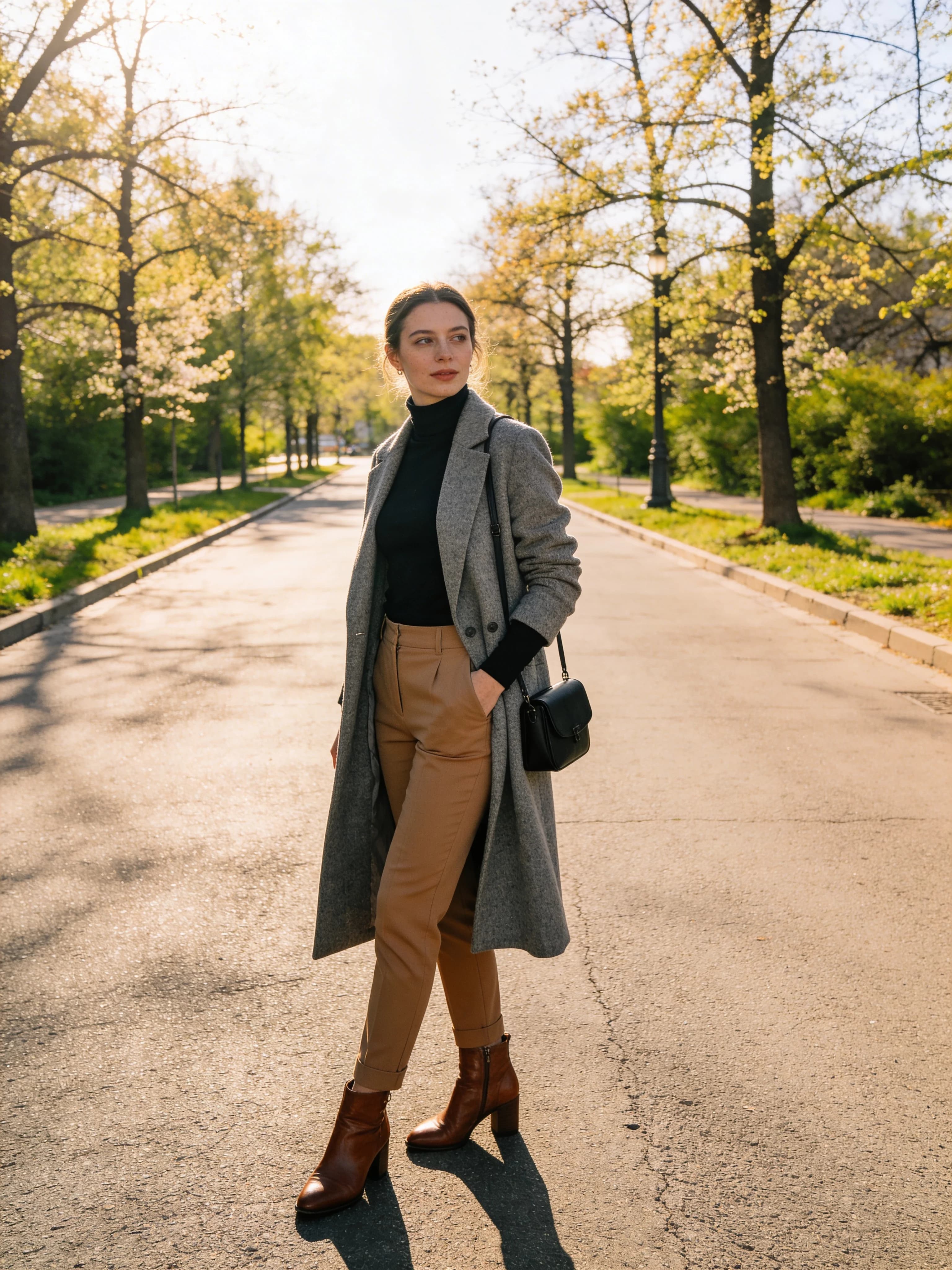
Grey Coat Brown Formal
A grey longline coat worn over camel trousers and a black turtleneck on a cool clear day earns its occasion. Brown leather ankle boots add warmth without disrupting the clean lines.

January in Denver averages 16–45°F with the Front Range's signature wide daily swing — mornings near 16°F require serious cold-weather gear, while calm, sunny afternoons can reach 45°F and feel almost mild. A heavy parka, thermal base layers, and waterproof insulated boots are the practical standard for City Park and the 16th Street Mall; about 6 days bring precipitation, usually as the dry Colorado snow that accumulates quickly on the exposed Highland and Capitol Hill neighborhoods.
Also packing for this trip?
Full January packing list for Denver →
Checklist of clothes, shoes, and gear — separate from these outfit ideas.
Compare prices across top booking sites for Jan 1–4.
Powered by Hotellook · prices from Booking.com, Agoda, and more

top / Long-Sleeve Top
fitted long-sleeve

bottom / Jeans
straight-leg
chinos for a slightly smarter look

footwear / Waterproof Boots
ankle boots
rubber sole for traction — keep feet dry all day

outerwear / Light Jacket
bomber
wind-resistant for crisp mornings that warm up later

top / Hoodie
pullover hoodie
adds warmth without overheating
zip-up hoodie for more flexibility
Based on typical January conditions in Denver. Weather varies year to year — check the live forecast when you're within two weeks of your trip.
January in Denver presents a dynamic winter climate, characterized by cold temperatures and significant daily temperature swings. Expect average high temperatures to hover around 45°F (7°C), with overnight lows often dipping into the teens (around 18°F or -8°C). While snow is common, precipitation isn't constant; Denver frequently enjoys abundant sunshine, even on cold days, thanks to its high altitude. The dry air and strong sun can make 40-degree days feel surprisingly pleasant, but the cold can bite quickly. Practical outfit advice for Denver in January centers on strategic layering. Begin with moisture-wicking base layers, add insulating mid-layers like fleece or wool, and top with a waterproof and windproof outer jacket. Don't forget insulated, waterproof boots with good traction for navigating potential snow or ice, along with essential accessories: a warm hat, gloves or mittens, and a scarf. Sunglasses are also a must due to the intense high-altitude sun reflecting off snow.
A grey longline coat worn over camel trousers and a black turtleneck on a cool clear day earns its occasion. Brown leather ankle boots add warmth without disrupting the clean lines.
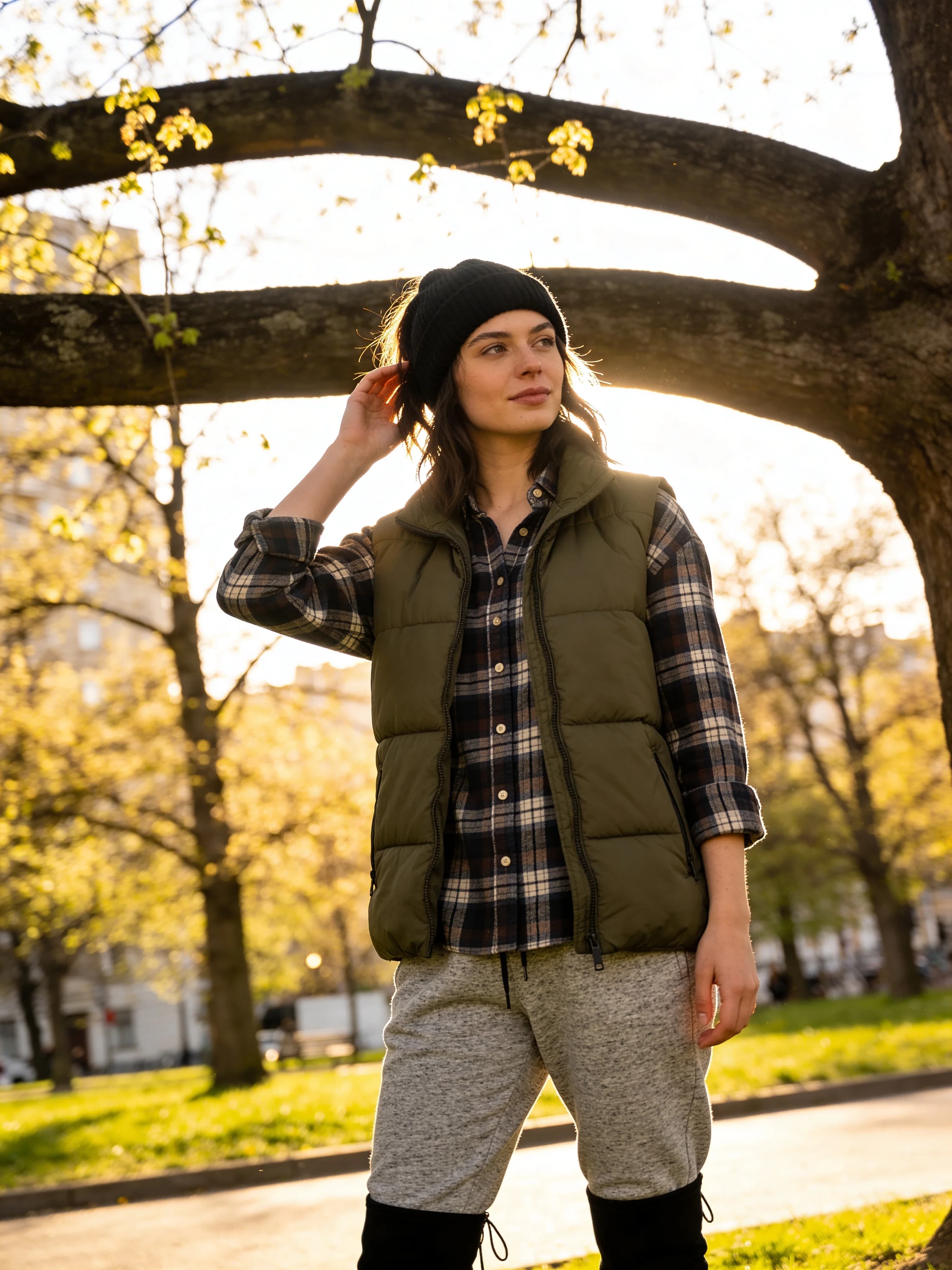
An olive puffer vest over a plaid flannel and grey joggers is the cool-clear casual combination that still looks considered. Black knee-high boots with joggers is the part that shouldn't work — but does.
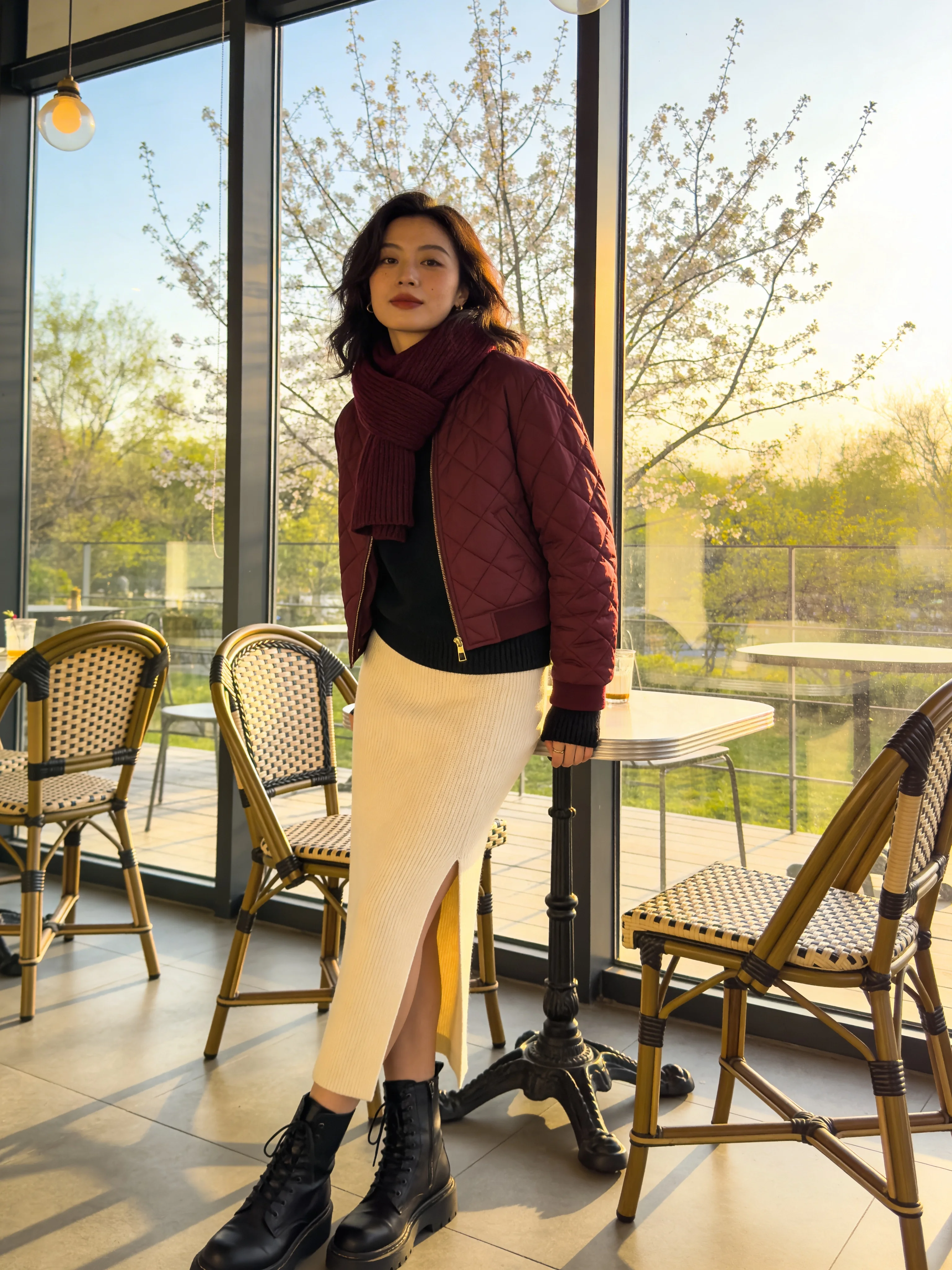
A burgundy quilted jacket over a black crewneck and cream maxi skirt is sharper than the forecast demands on a cool clear day. Black combat boots and a burgundy scarf land the look.
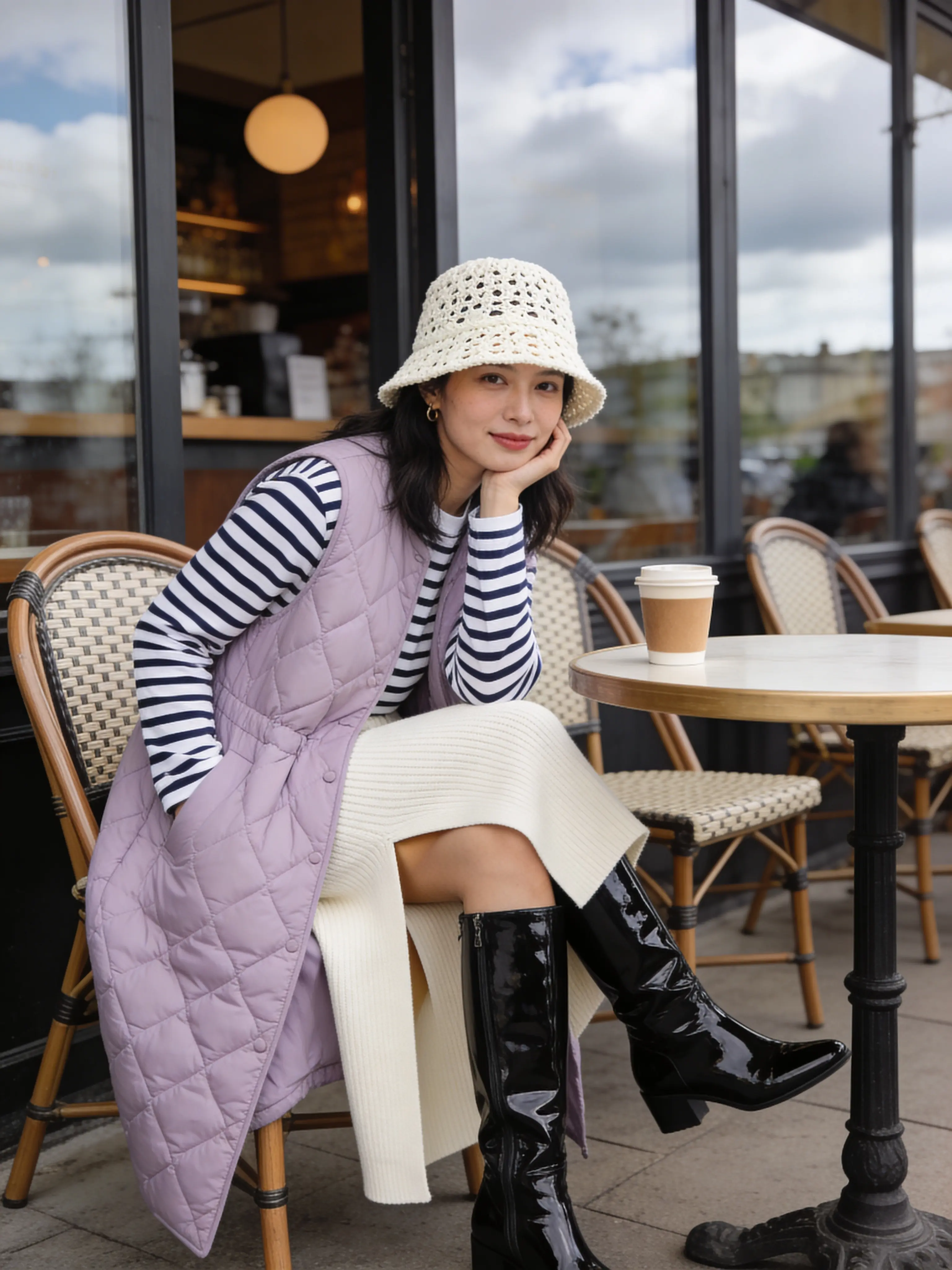
Clear skies at 45–54°F let the quilted lilac vest take the lead over a Breton stripe and cream maxi. Patent thigh-high boots make the whole thing slightly more interesting than expected.
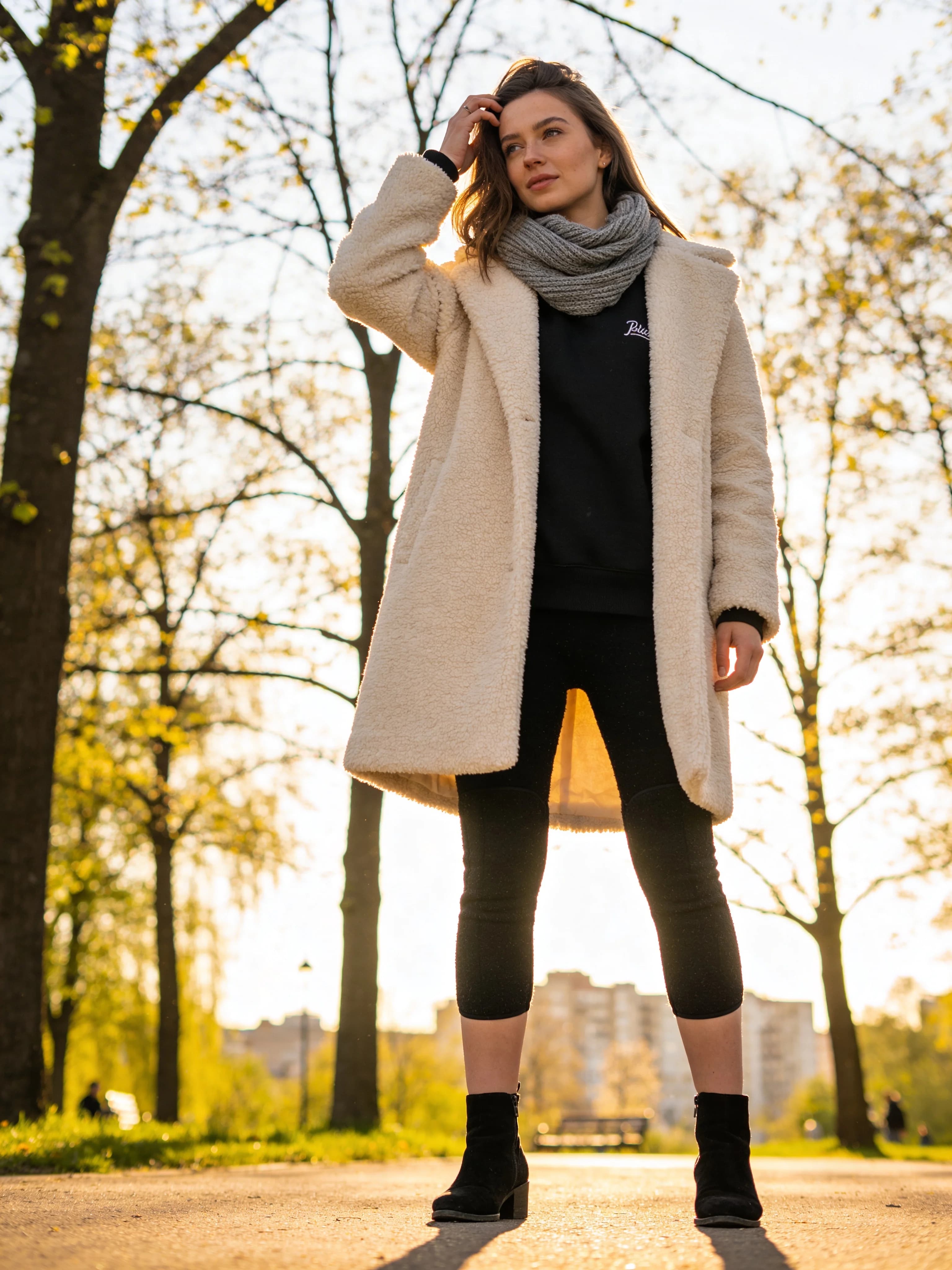
A cream teddy coat over a black crewneck and fleece-lined leggings is warm without being heavy. A grey knit scarf worn loose over the coat is the only accessory it needs.
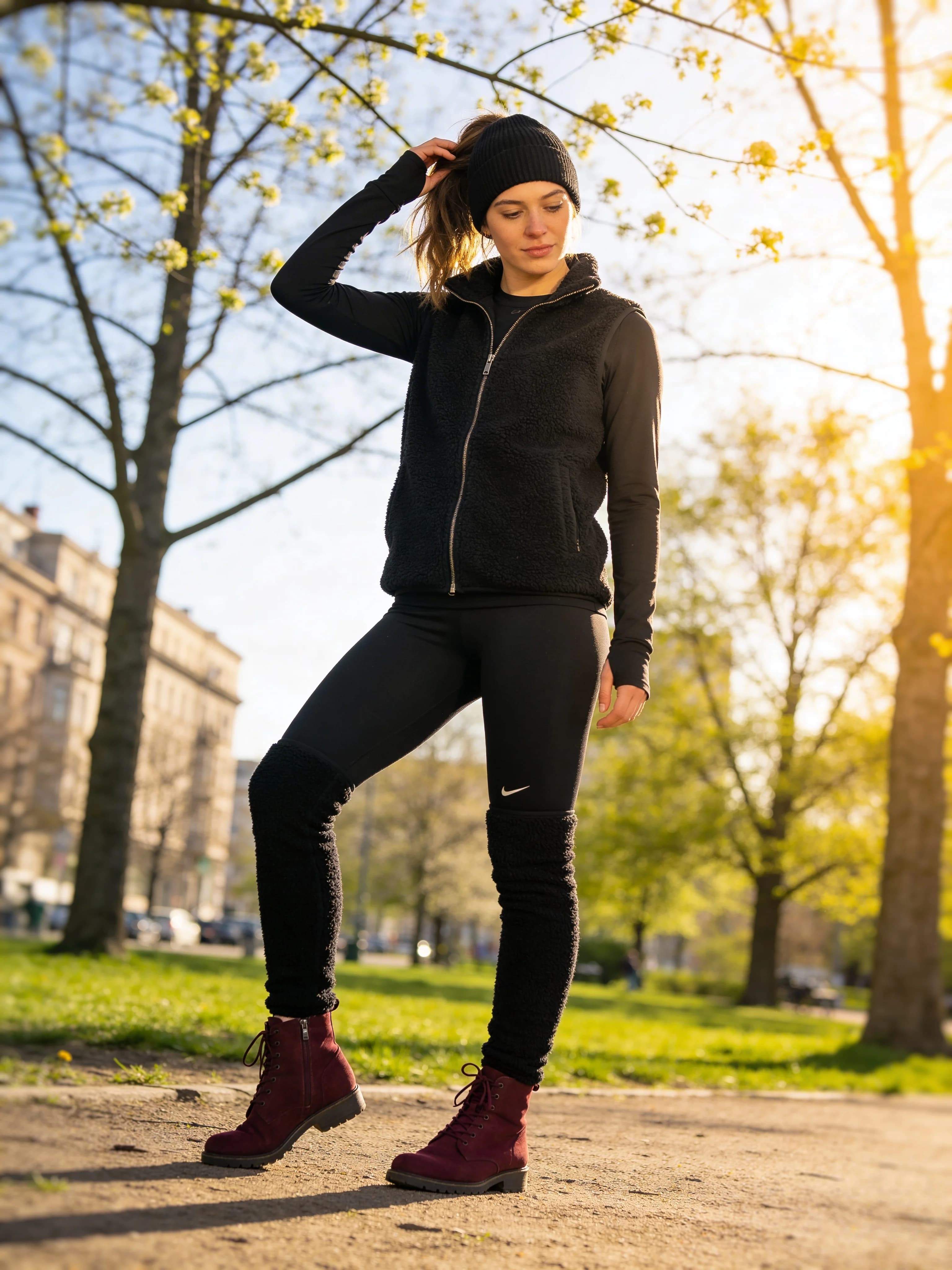
A black fleece zip-up over a long-sleeve athletic top and fleece leggings on a cool clear day is the sporty base that works. Burgundy ankle boots break the monochrome with one precise hit of colour.
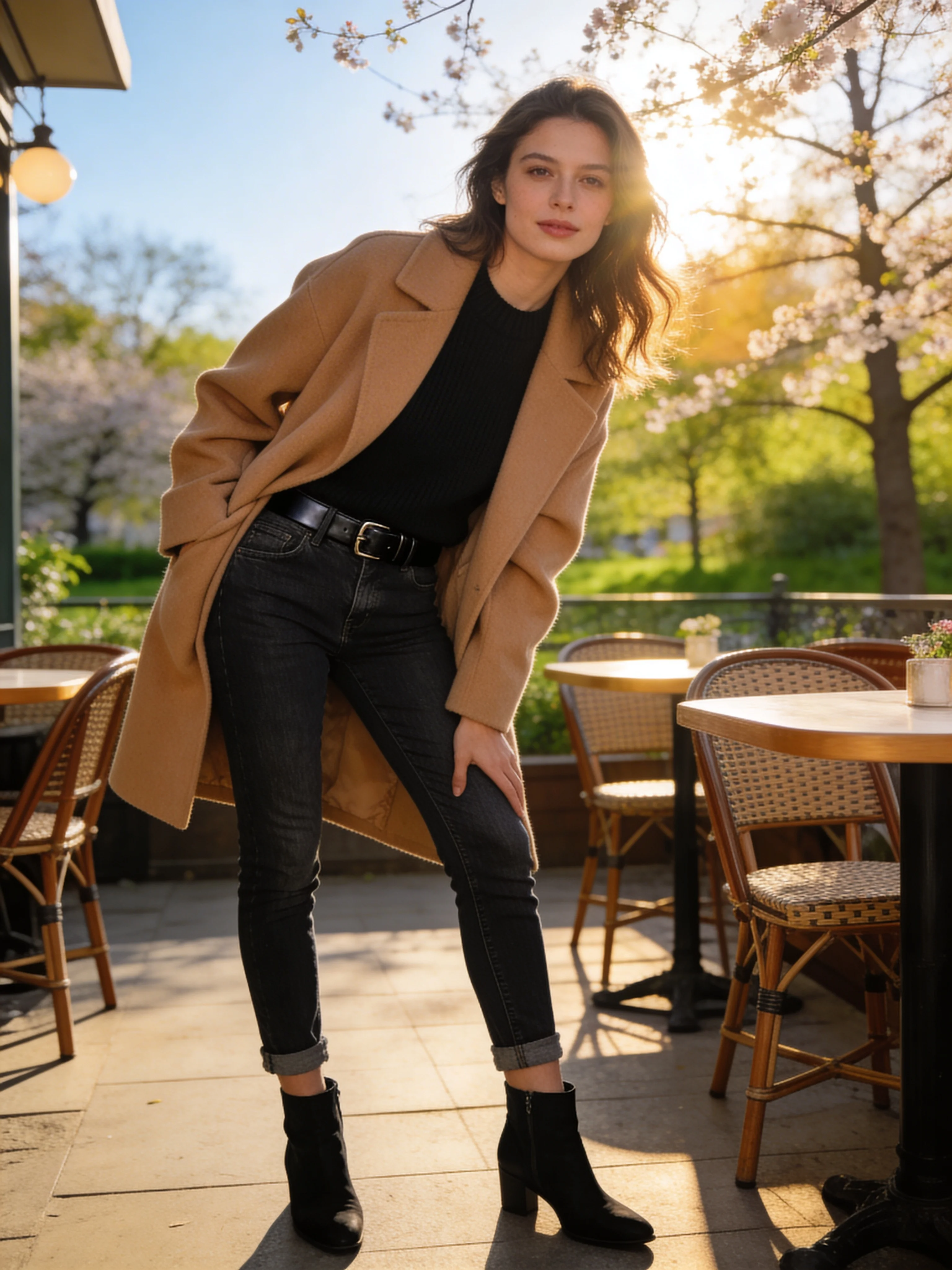
A camel coat over dark indigo jeans cinched with a black leather belt gives structure on a cool clear day. Black ankle boots are the straightforward finish.
Layering is paramount for Denver in January. Start with thermal base layers, add a warm mid-layer like fleece or a wool sweater, and finish with a waterproof, insulated winter coat. Essential accessories include a warm hat, gloves, a scarf, and waterproof boots with good grip for any snow or ice.
Yes, Denver is quite cold in January. Daytime highs typically range in the low to mid-40s Fahrenheit (around 7°C), but overnight lows can drop significantly into the teens (-8°C). Despite the cold, many days are sunny, but the air is dry and the wind chill can be considerable, making warm layers crucial.
It rarely rains in Denver during January; precipitation almost exclusively falls as snow. While snowstorms are common, they are usually followed by clear, sunny days, which can make streets slushy. It's wise to be prepared for snowy conditions, but you won't typically encounter rain.
Pack warm, layered clothing: thermal underwear, wool socks, sweaters, a heavy winter coat (waterproof and windproof is ideal), and insulated, waterproof boots. Don't forget a warm hat, gloves or mittens, and a scarf. Due to the high altitude sun, sunglasses and lip balm are also advisable, even in winter.
Packing tools
Free calculators — city and month pre-filled when we know them. No account required. Start with how many outfits, sudoku packing, or bag fees.
Trip
Planning a trip to one city?
One city → typical weather for your month, packing counts that fit your bags, and email your plan.
Outfits
How many outfits for this trip?
Trip length, bag size, and climate → exact tops, bottoms, layers, and outfit combinations.
Jacket
Not sure about a jacket?
City + month → base / mid / shell stack and pack-or-skip verdicts for rain jacket, coat, and thermals.
Shoes
Shoes for this climate?
Climate, activities, and bag size → pair count, primary/backup types, and climate-matched picks.
Bags
Will this trip cost bag fees?
Airline + fare bucket + bags you plan to bring → fit verdicts and typical carry-on / checked fee ranges.
Capsule
Try sudoku packing for this climate?
City + month → climate-ready 3 tops / 3 bottoms / 3 layers you can edit — up to 27 mix-and-match outfits.