What should I wear in Minneapolis in December?+−
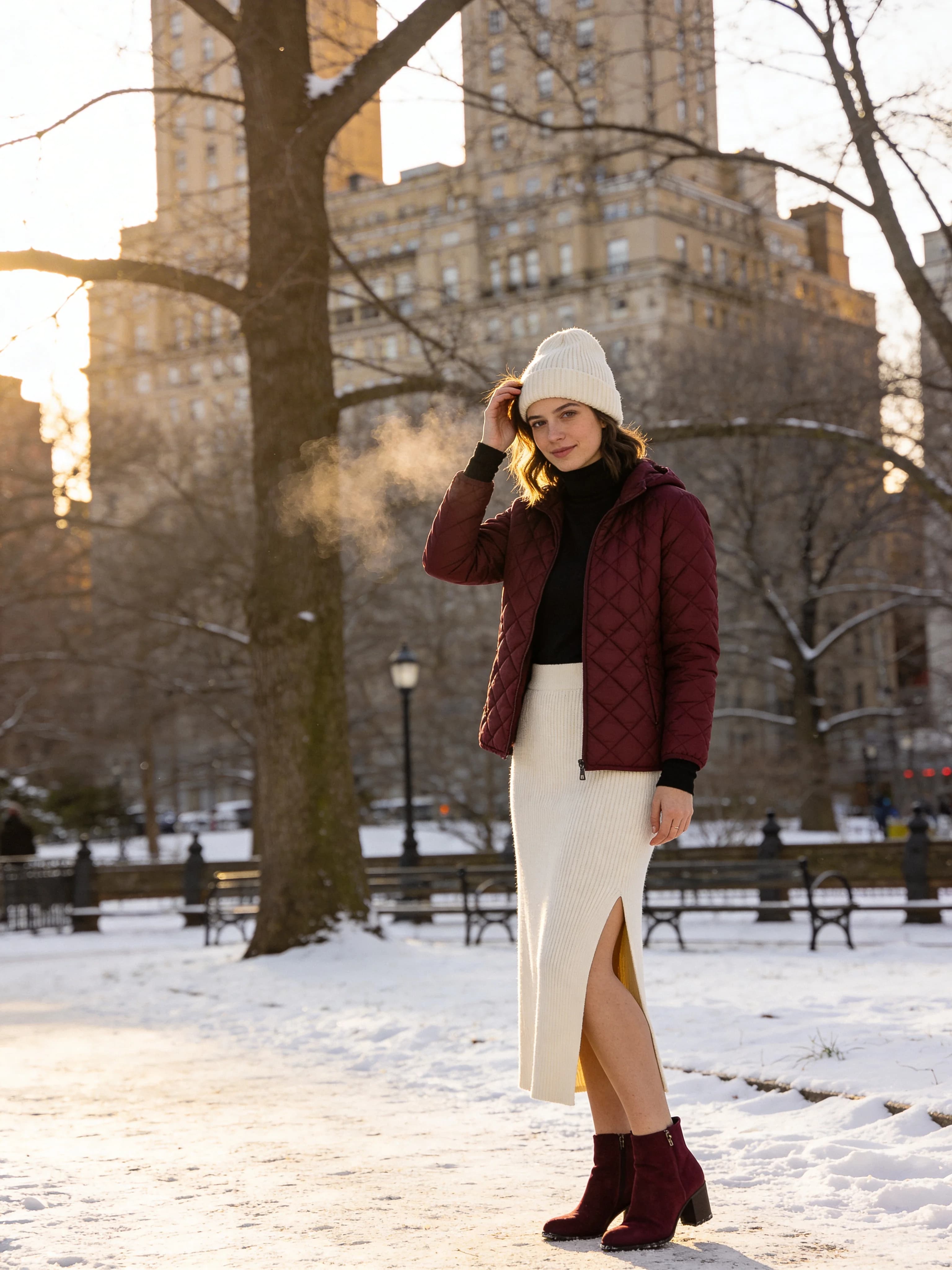
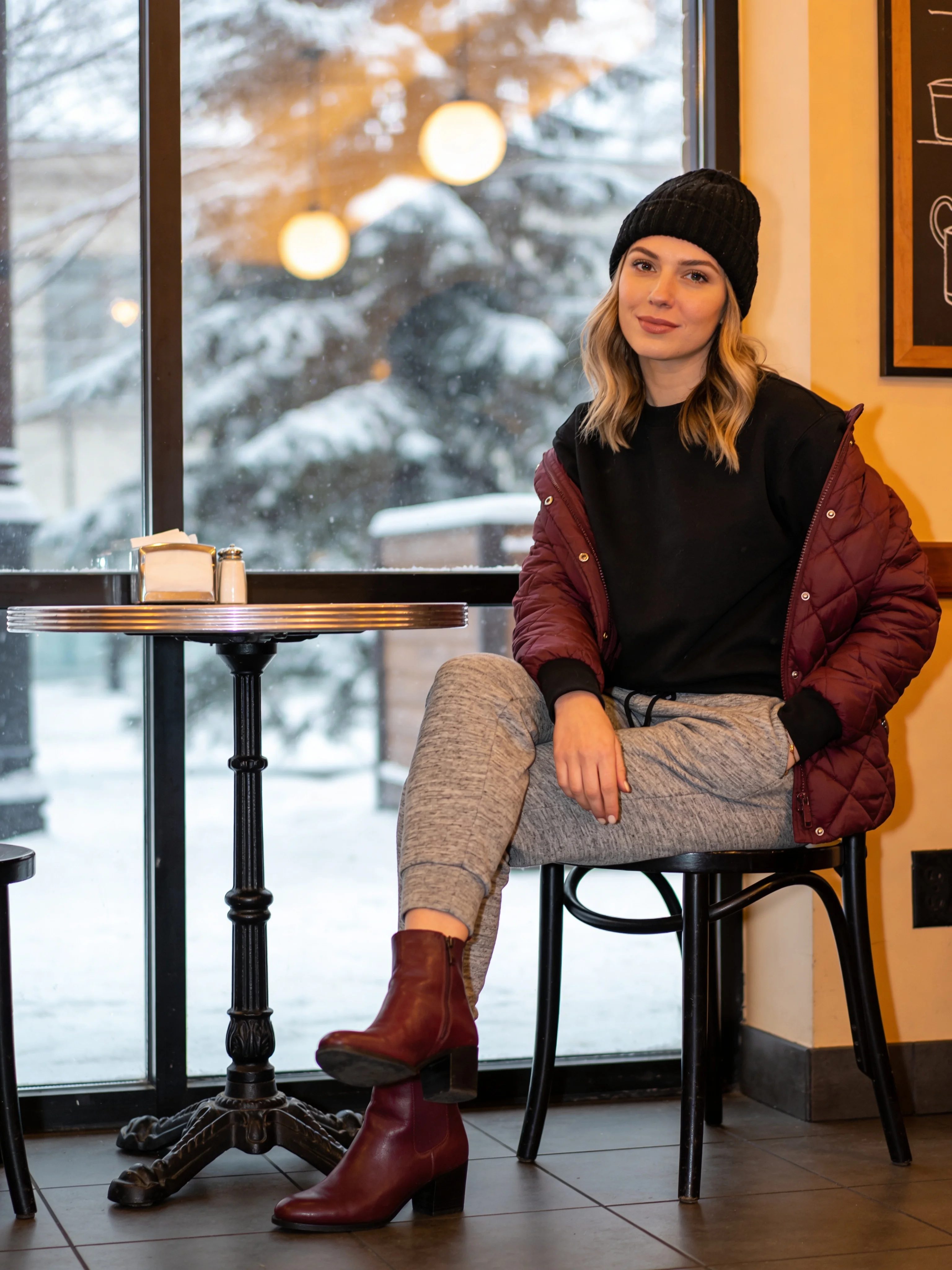
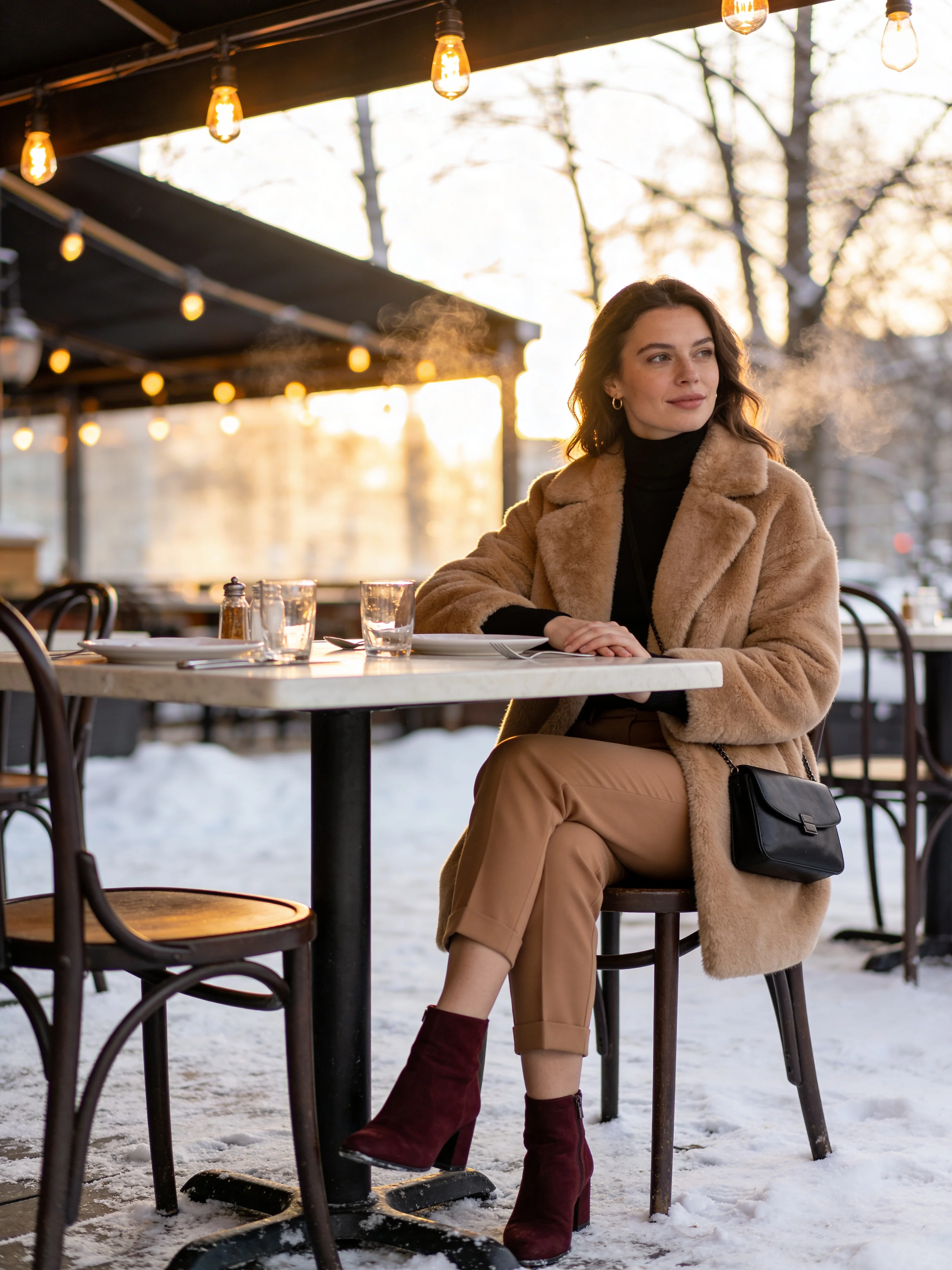
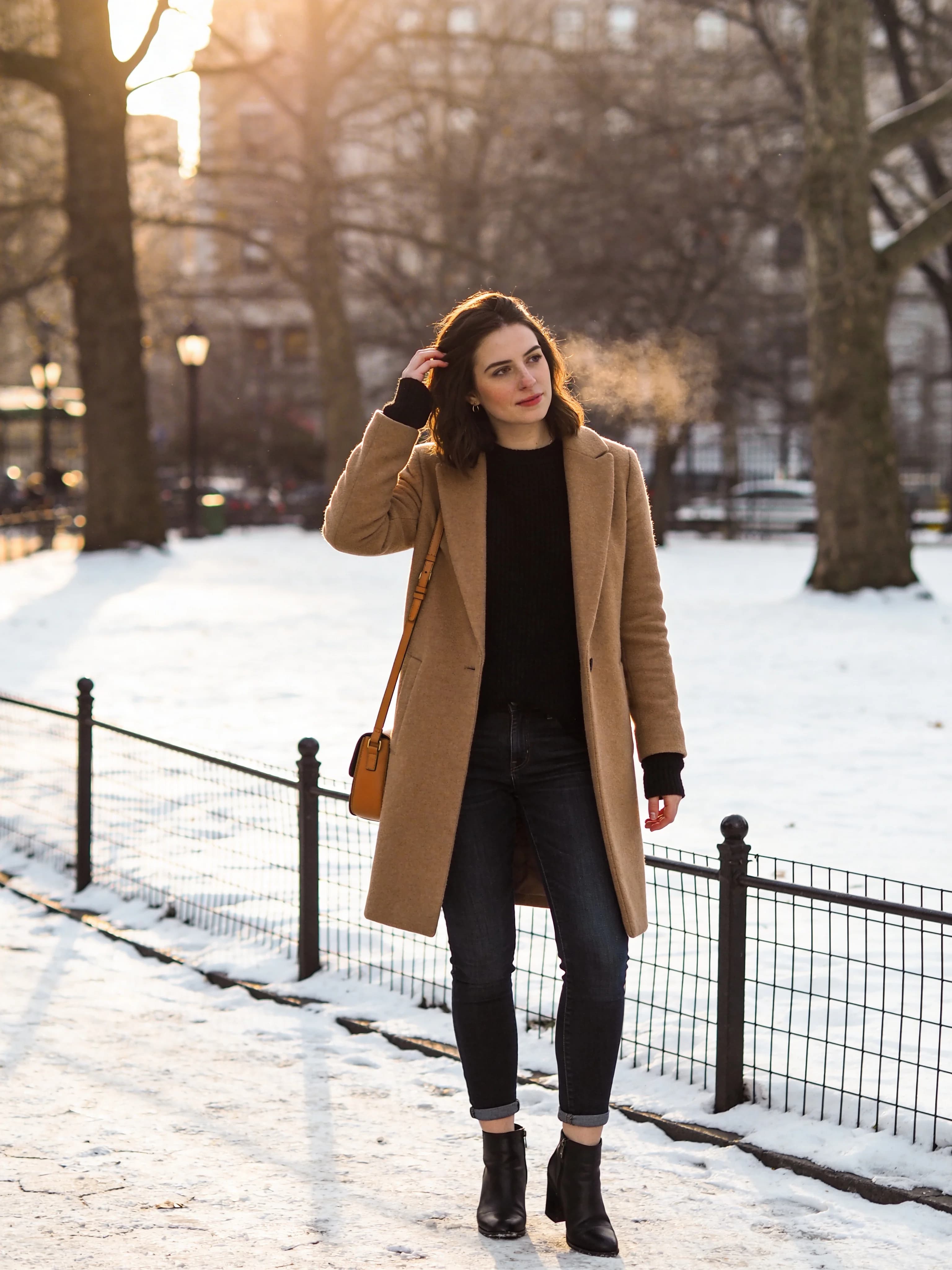
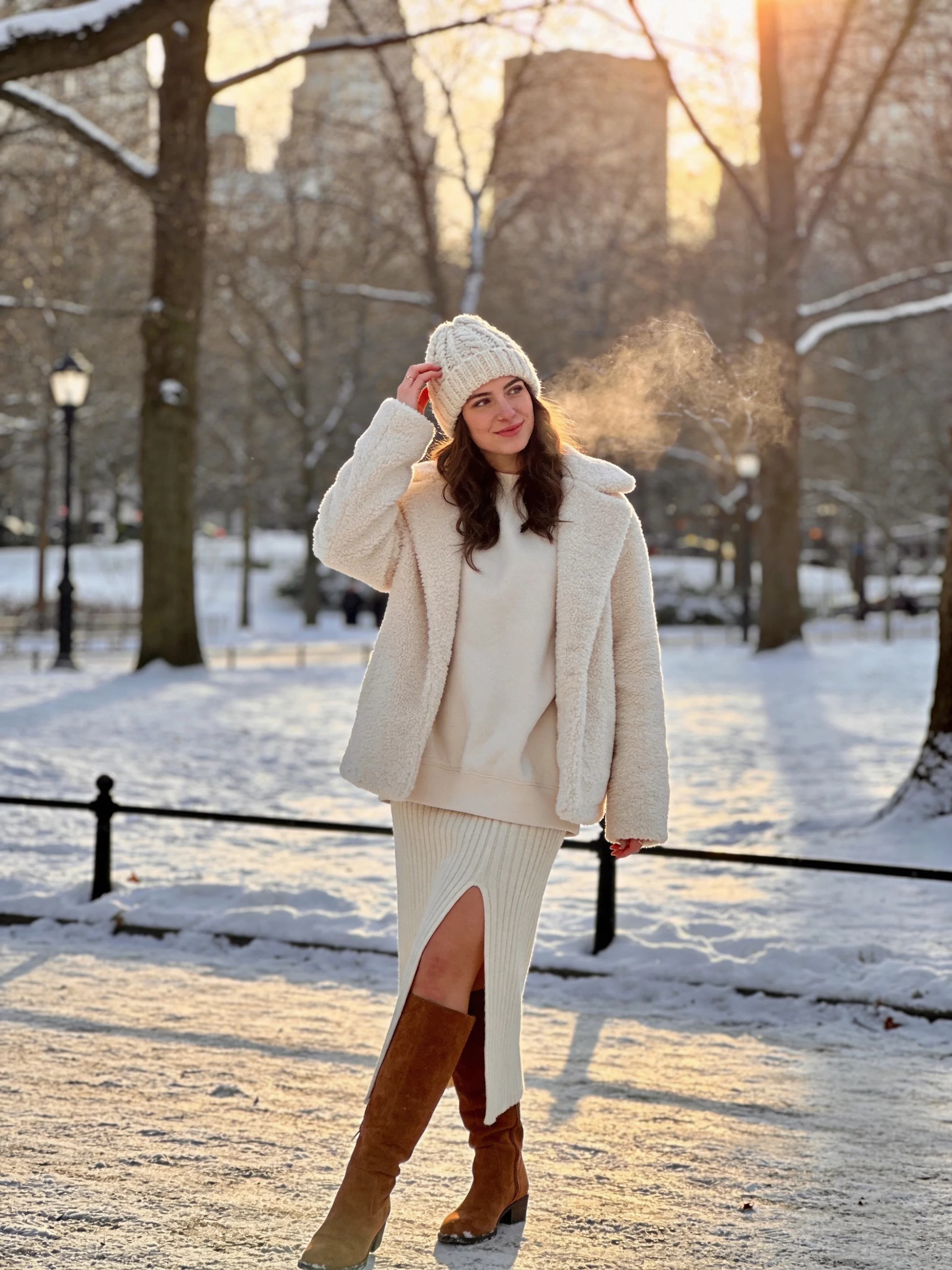
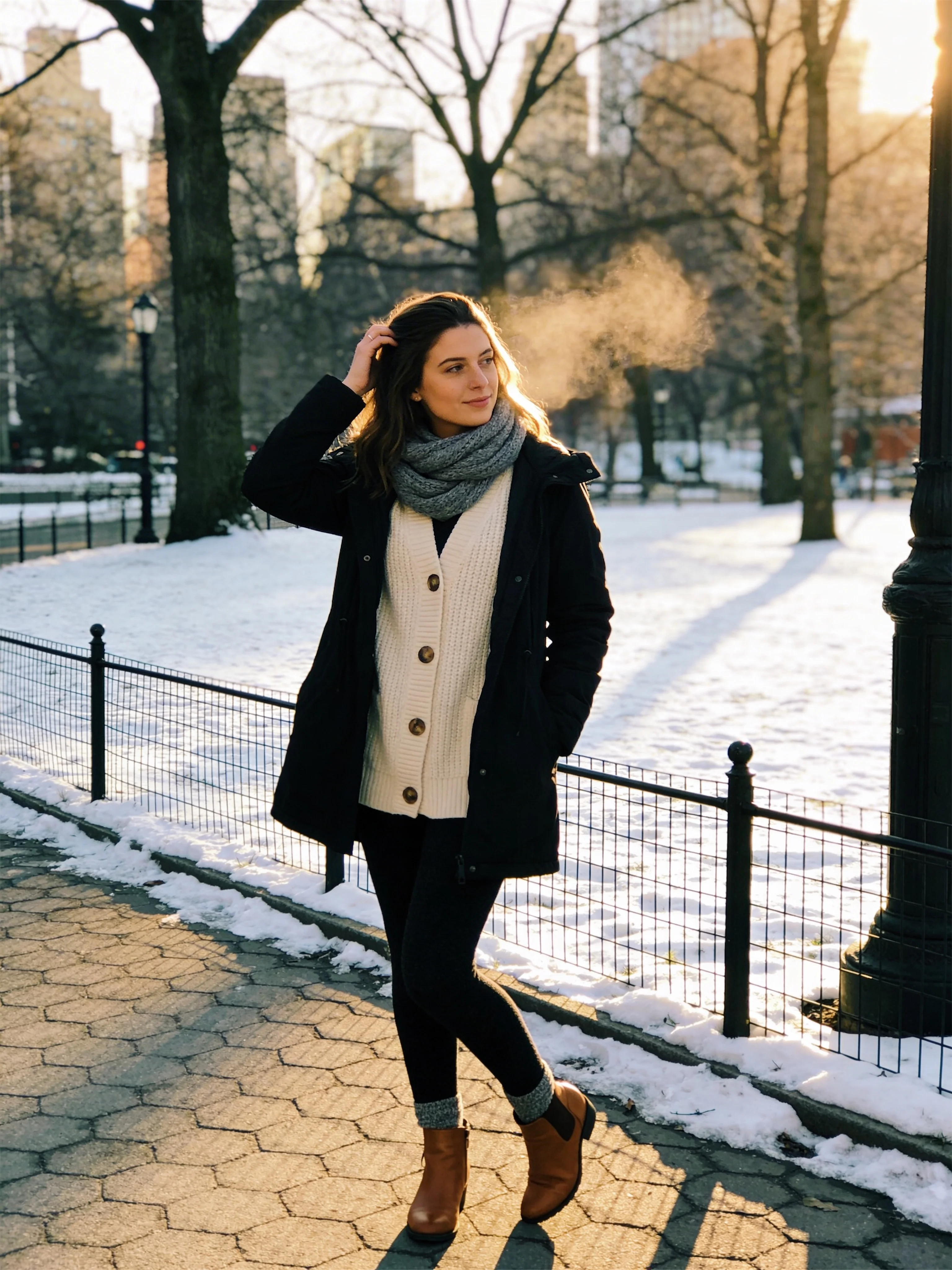
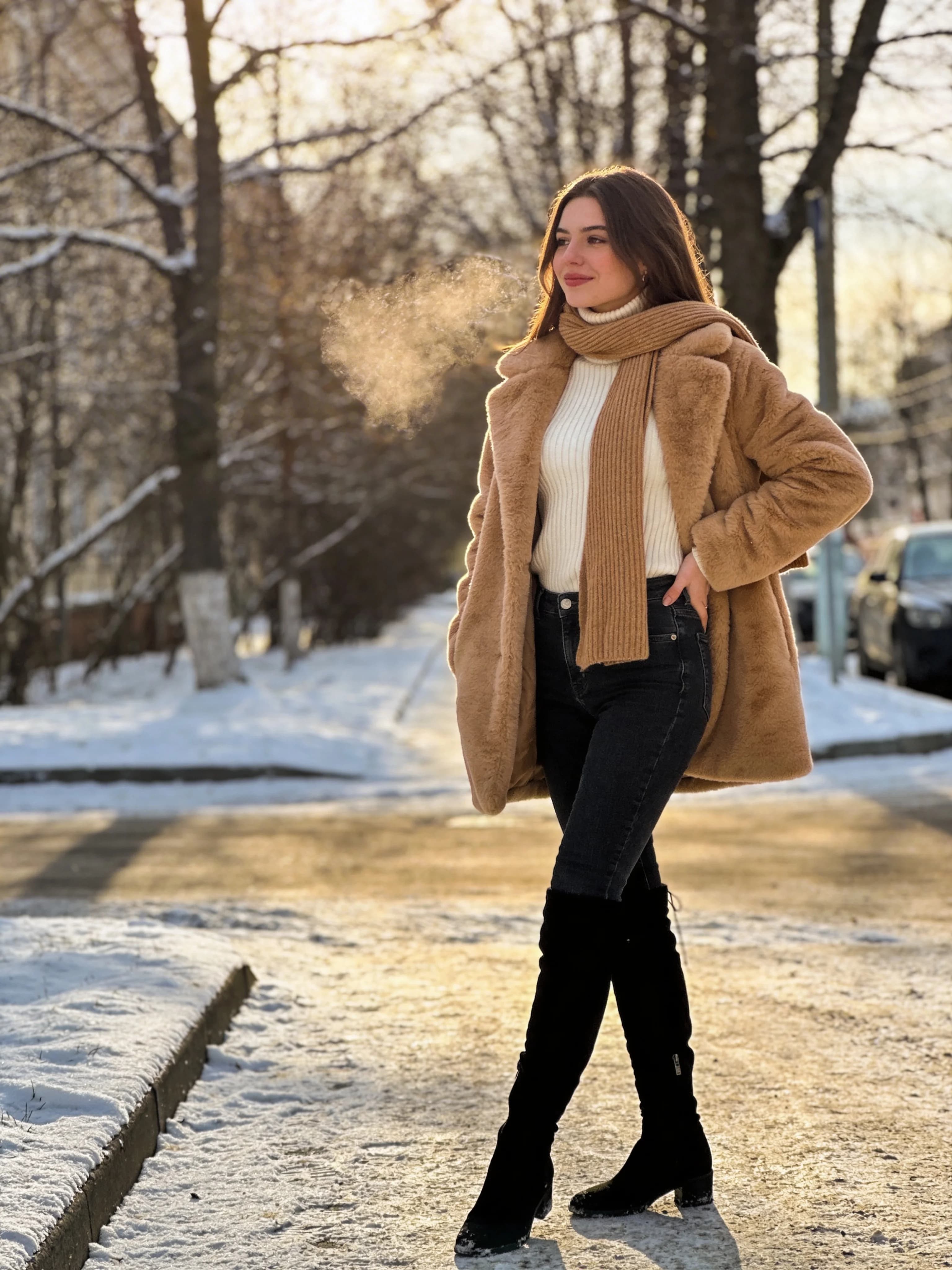
Start with a moisture-wicking thermal base layer — wool or synthetic, never cotton. Add a mid-layer (heavyweight fleece or down vest), then a parka rated for -20°F or colder wind chills. Insulated waterproof boots with at least 400g insulation handle the lakes area and sidewalks. Cover every exposed area: wool or fleece hat, balaclava or neck gaiter, insulated mittens. If using the downtown skyway, you can transition to lighter layers indoors, but carry your full outer shell — every building exit sends you back into the cold.
Is December a good time to visit Minneapolis?+−
It depends entirely on your cold tolerance. Minneapolis in December features excellent indoor culture — the Walker Art Center, the Minneapolis Institute of Art, and the downtown restaurant scene are all accessible via skyway with minimal outdoor exposure. Ice skating at the Depot Rink and holiday events around Nicollet Mall are genuinely fun. But the cold is extreme and non-negotiable — visitors who dislike temperatures near zero will find May or September far more comfortable.
What shoes are best for Minneapolis in December?+−
Insulated, waterproof winter boots are the only practical footwear — Sorel, Bogs, or similar brands rated for at least -25°F. The Chain of Lakes paths and uncleared sidewalks in residential areas demand lug soles with genuine traction. Yaktrax or similar ice cleats add grip on glazed surfaces. Bring a bag to carry dress shoes if you're attending events in venues accessible via skyway — you can change on arrival.
How cold does it get in Minneapolis in December?+−
Average highs are 27°F with lows around 11°F, but the wind chill from northwest winds regularly pushes the apparent temperature to -10°F or colder. It is not uncommon for Minneapolis to record temperatures of 0°F or below multiple times per December. Snow accumulation is consistent, and the city averages about 9 days of precipitation, mostly as snow.
What should I pack for Minneapolis in December?+−
Pack a parka rated for extreme cold (-20°F or lower), heavyweight wool or synthetic base layers, a mid-layer fleece, insulated waterproof boots, wool socks, a balaclava or neck gaiter, ear-covering hat, and insulated mittens (warmer than gloves). Chemical hand warmers are useful for extended outdoor activities like ice skating. Bring moisturizer — the combination of extreme cold outside and dry heated air inside causes significant skin dehydration.