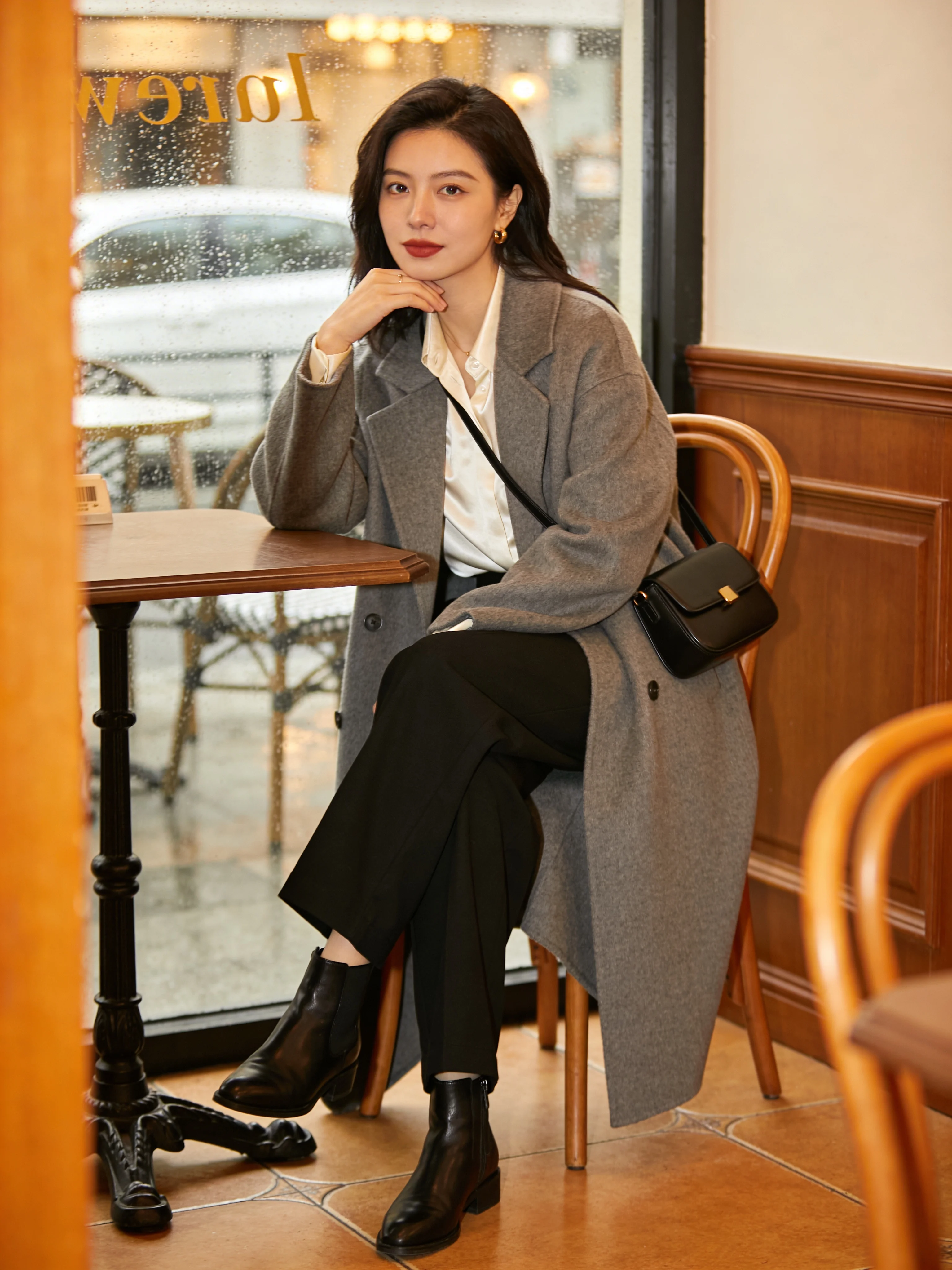
Black Blazer Pleated Rain
A black blazer over an ivory blouse and pleated maxi skirt in warm rain is complete formal coverage. Black mule heels are the practical formal choice when espadrilles are off the table.
🇺🇸 America's 250th Birthday Sale — 25% off all guides through July 5 Shop Guides →

Thursday, June 18
Chicago's Lake Michigan wind makes winters feel 15–25°F colder than the thermometer — a 20°F January day can feel like 0°F on the Magnificent Mile. Summers peak in the upper 80s in July but spring exists for only a few weeks before ceding to summer heat. The city's sleek urban aesthetic favors dark neutrals and quality outerwear that handles real wind; stilettos belong in the taxi, not on the Riverwalk.
Based on 70°F and drizzle
top / Short-Sleeve Top
classic tee
bottom / Jeans
straight-leg
chinos for a slightly smarter look
footwear / Sneakers
classic sneakers
cushioned for all-day city walking
Chicago's weather is as dynamic as its architecture, spanning a wide range that demands a thoughtful approach to packing. From the bitter chill and lake-effect snow of winter to the humid warmth of summer, visitors will experience distinct seasonal shifts. Spring and fall offer milder temperatures but are notorious for rapid changes, making layering non-negotiable. The city's famed winds are a constant companion, especially near the lakefront, often making temperatures feel cooler than the forecast suggests. Locals embrace a style that blends practicality with urban chic. Think sturdy, comfortable footwear for navigating extensive sidewalks, versatile outerwear, and smart accessories that can transition from day to evening. While there's a strong appreciation for fashion, Chicagoans prioritize preparedness for whatever Mother Nature throws their way, ensuring comfort without sacrificing style. Expect to see lots of well-chosen outerwear, durable denim, and a generally polished yet functional aesthetic that withstands both a brisk walk down Michigan Avenue and an evening out in River North. Layering is truly the golden rule for dressing in the Windy City, regardless of the season.

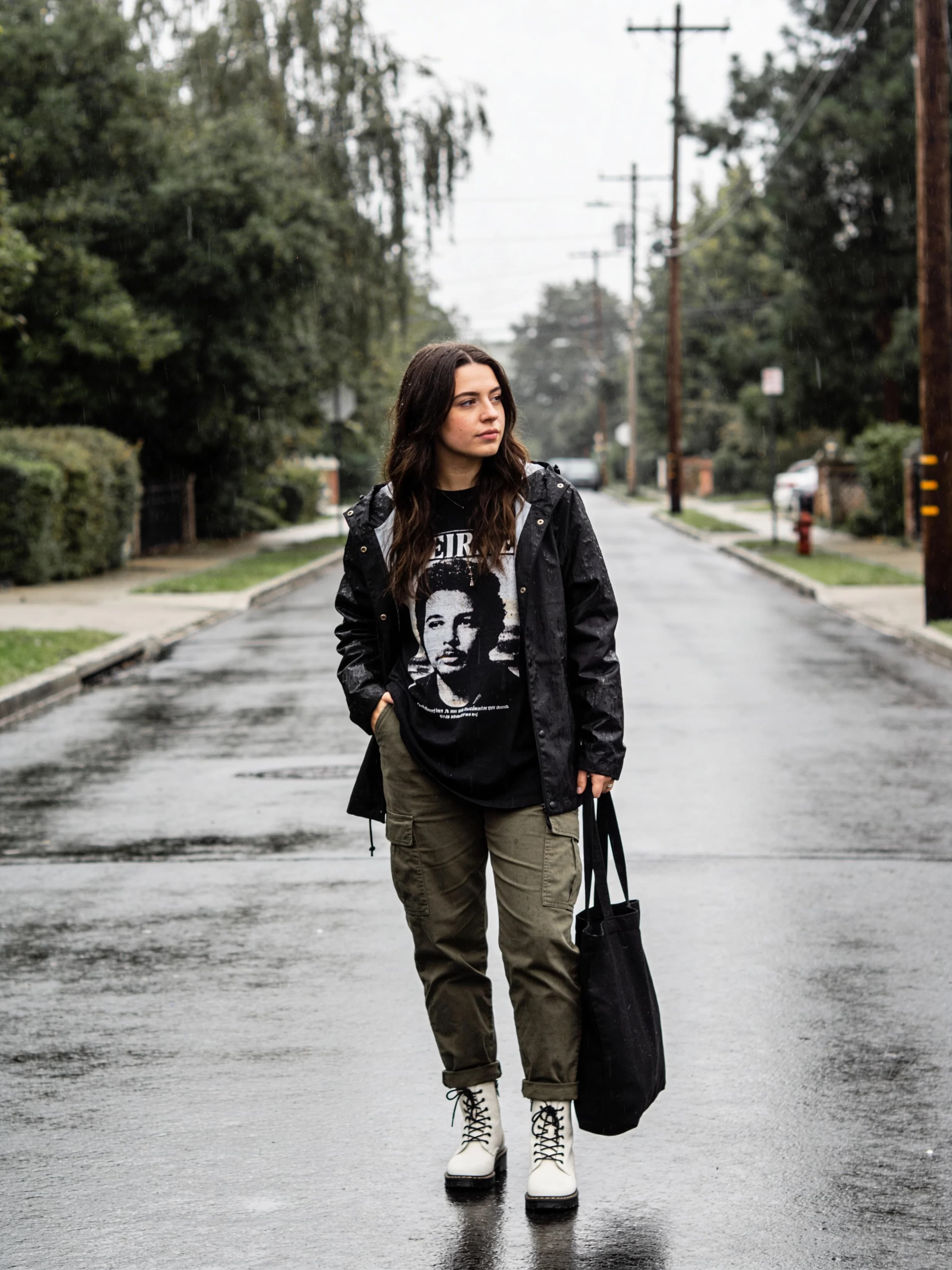
A black blazer over an ivory blouse and pleated maxi skirt in warm rain is complete formal coverage. Black mule heels are the practical formal choice when espadrilles are off the table.

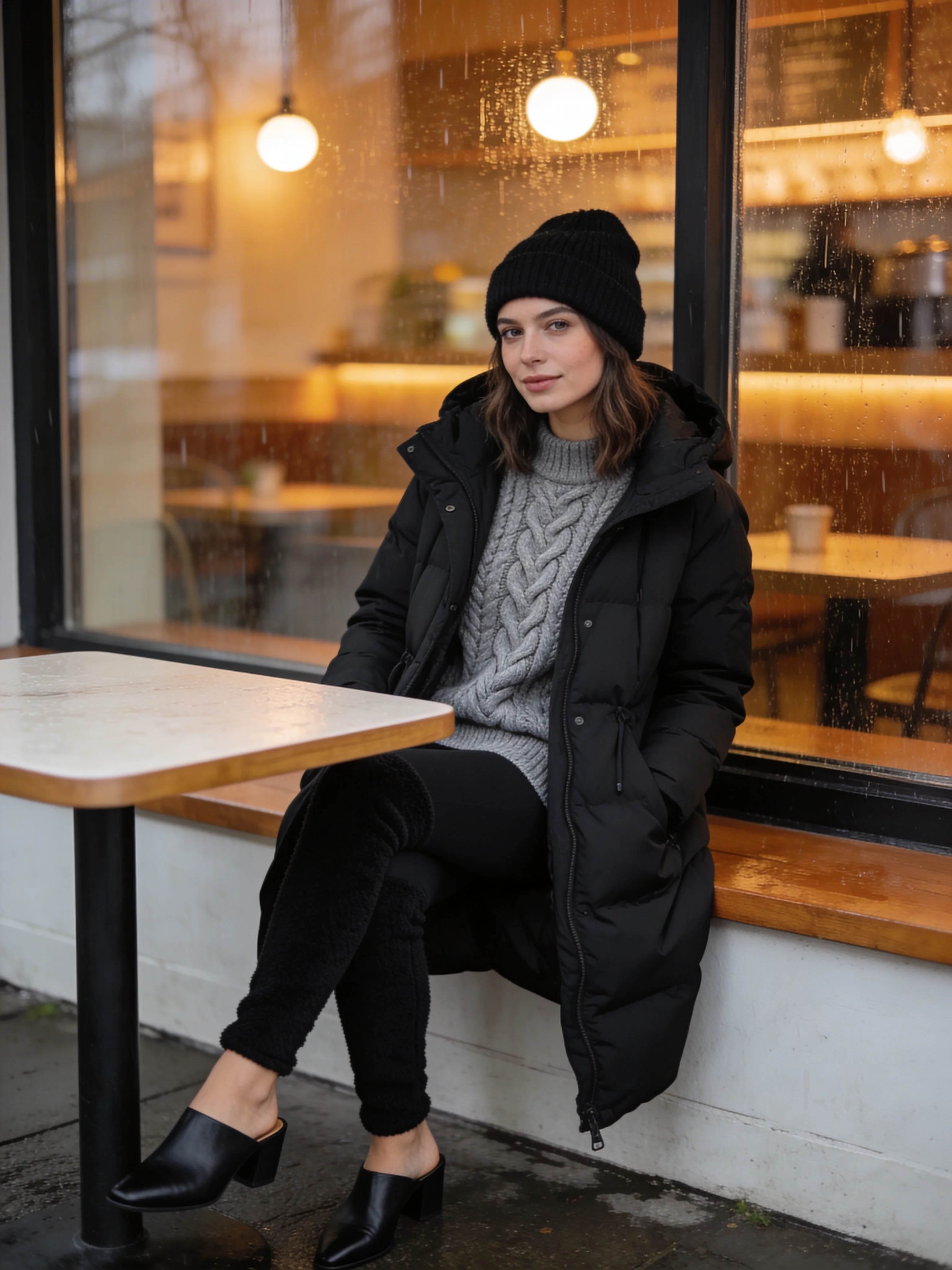
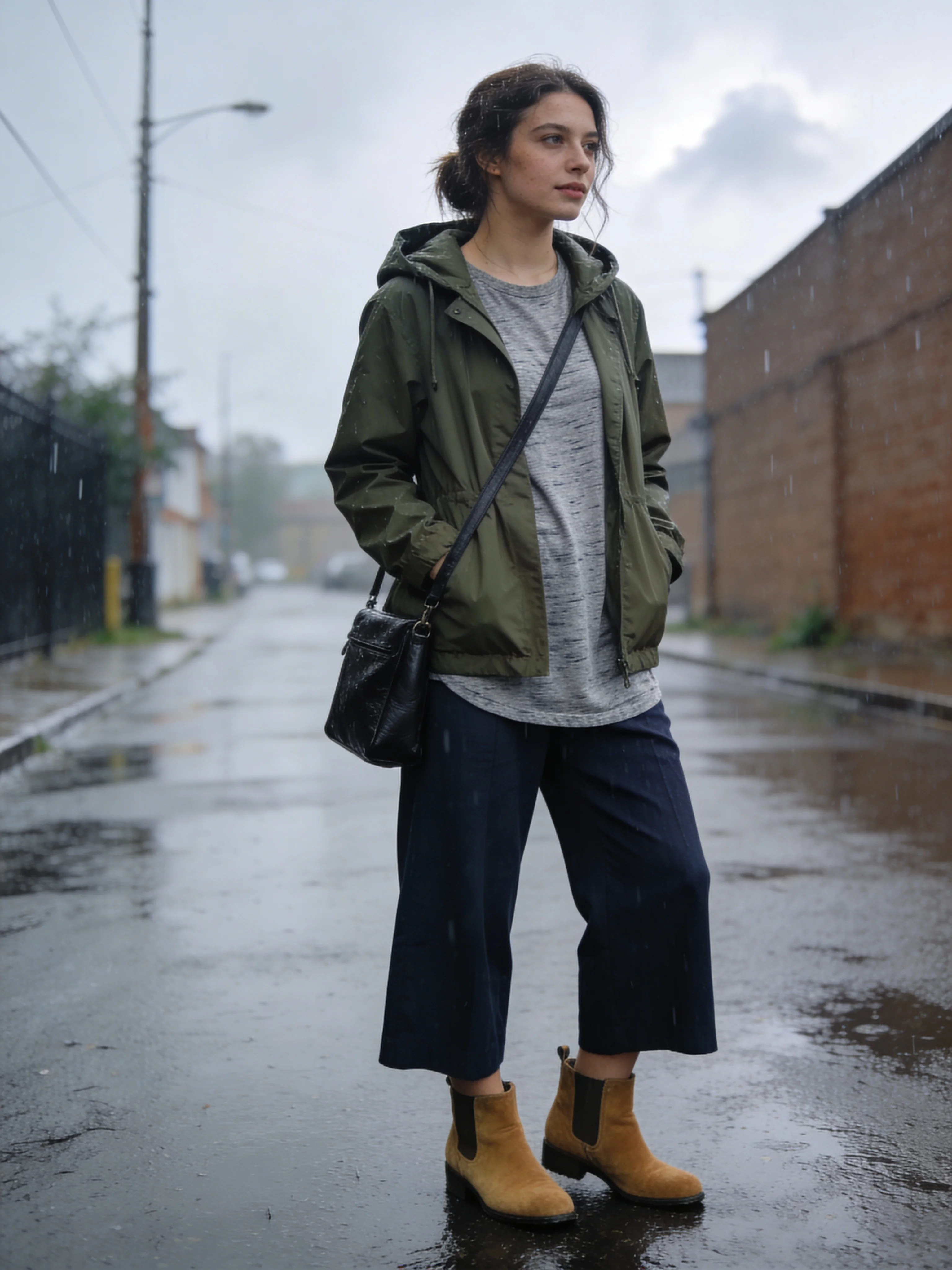
A black longline parka over a crewneck sweatshirt in warm rain has a deliberateness that works. Ivory satin mules and a cream beanie are the contrasts that make it.

A black rain jacket over ivory linen trousers refuses to look sloppy in warm rain. Espadrilles and a crochet bucket hat keep the warm-weather mood alive below the waterline.

A light wash denim jacket over a denim mini skirt makes a strong case for double denim in warm rain. The black square neck top underneath adds structure.

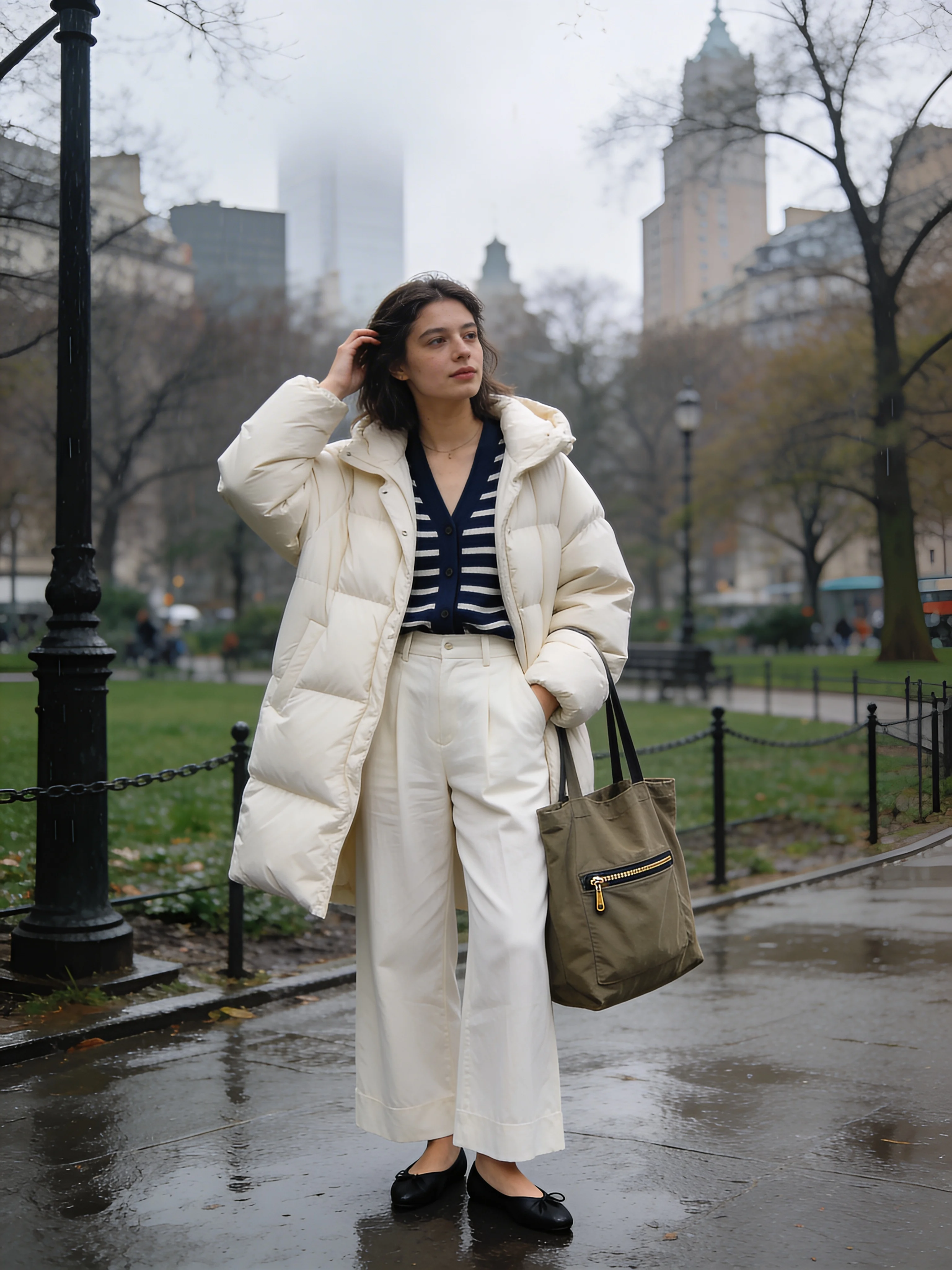
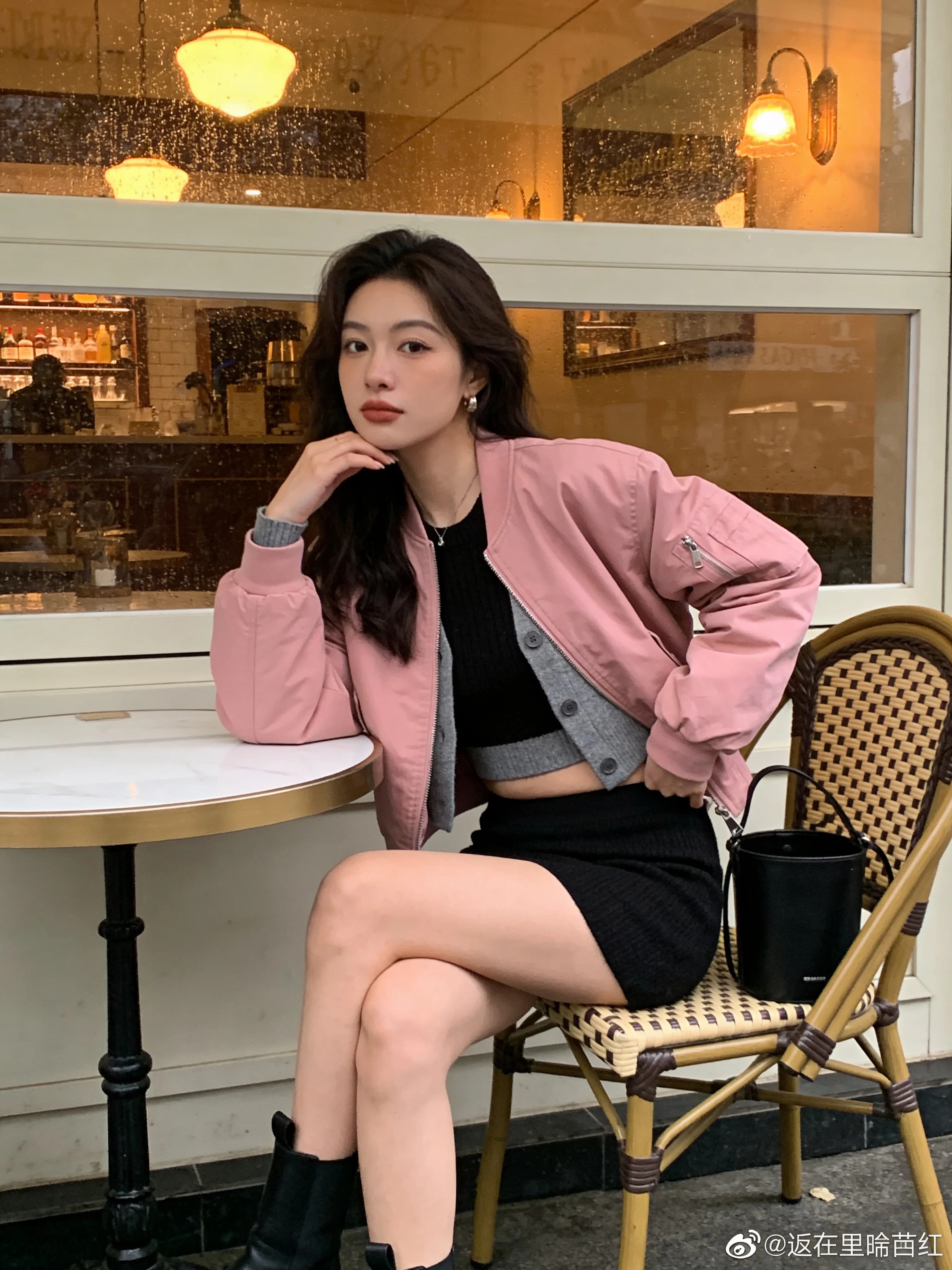
A blush cropped jacket over a white linen blouse and ivory wide-leg trousers refuses to look heavy in warm rain. Tortoiseshell cat-eye sunglasses are the editorial punctuation.

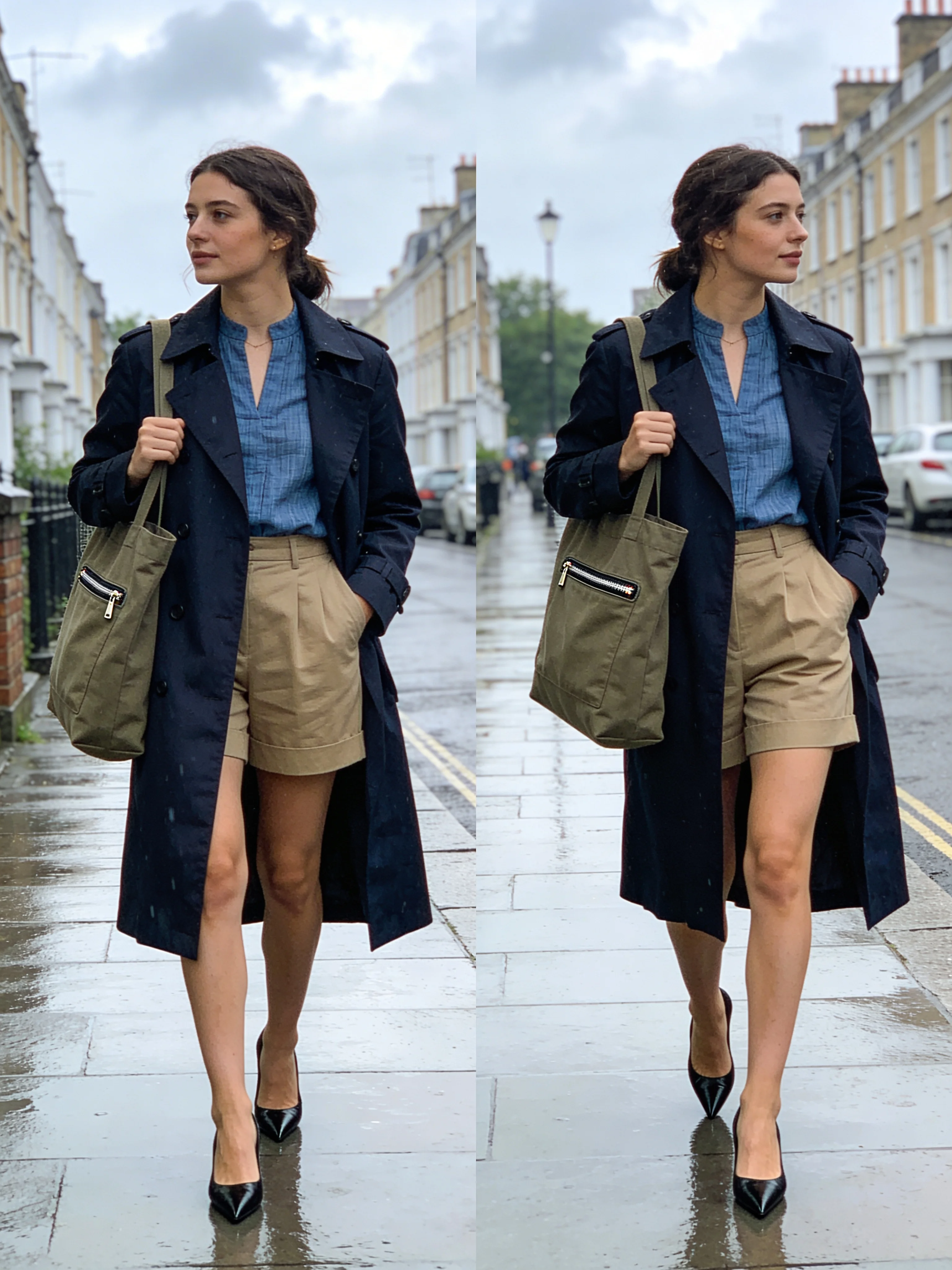
A white linen blazer over matching wide-leg linen trousers and a blue collarless blouse stays entirely polished through warm rain. Slide sandals and gold aviators make it feel like summer despite the drizzle.

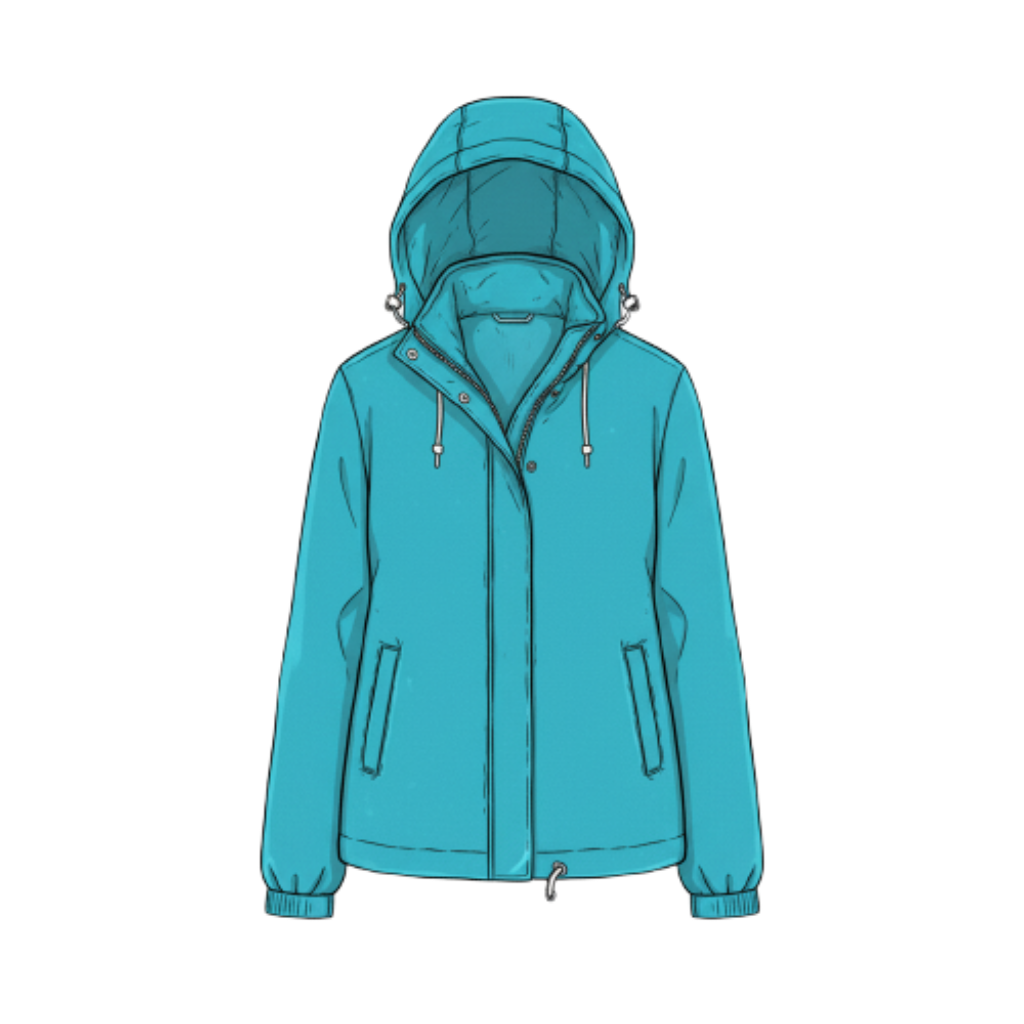
A yellow hooded rain jacket over biker shorts and a longline tee handles warm rain with high-visibility attitude. Ivory pointed-toe mules are the surprising finishing note.
Packing List
What to Pack for Chicago →
See typical weather and outfit ideas for Chicago in any month of the year.
Chicago winters (December-March) demand serious protection. Pack a heavy, insulated, and ideally waterproof coat, thermal base layers, and waterproof boots with good traction. Essential accessories include a warm hat, gloves or mittens, and a thick scarf to combat the severe cold and biting wind chill.
Summers (June-August) are typically hot and humid. Opt for lightweight, breathable fabrics like cotton or linen in shorts, dresses, and t-shirts. Comfortable walking shoes are a must for exploring, and a light cardigan or jacket is wise for air-conditioned indoor spaces or cooler lakefront evenings.
Yes, Chicago can be intensely cold, particularly from December through March. Winters feature frigid temperatures, significant snowfall, and strong winds that make it feel even colder. While spring and fall can be mild, they often bring chilly days and sudden drops in temperature, so layers are always recommended.
Chicago experiences four distinct seasons, each with its own characteristics. Winters are notoriously cold and snowy, while summers are typically hot and humid. Spring and fall offer milder, often beautiful weather, but are known for being unpredictable with rapid temperature shifts and brisk winds.
Packing Calculator
How many outfits do you actually need?
Free · no sign-up needed

Style Guide
Chicago Summer 2026 Packing Guide
Pack smart for a stylish, weather-proof trip to Chicago in summer