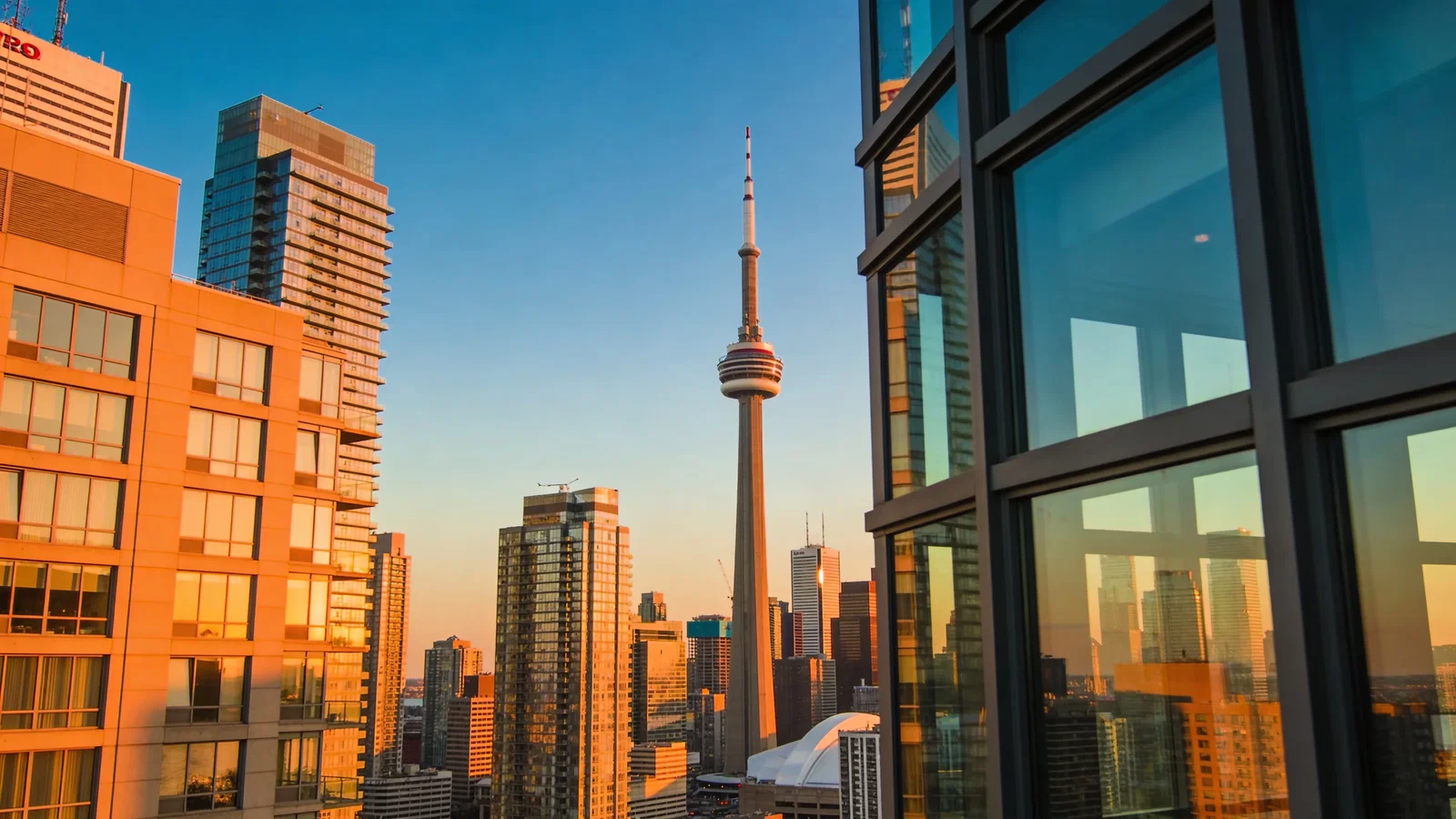
What to Wear in Toronto
What to Wear in Toronto
Tuesday, July 28
For Toronto year-round, prepare for a humid continental climate with brutal cold winters (January wind chills below -13°F) and hot, humid summers (July humidex readings often near 104°F). Visitors need a four-season wardrobe: a serious insulated parka with wind protection for winter, breathable moisture-wicking layers for summer, and waterproof gear for the rainy shoulder seasons. Comfortable, slip-resistant footwear is essential year-round given Toronto's icy sidewalks in winter and the miles of cobblestones in the Distillery District.
What to wear
Based on 77°F and clear sky

top / Short-Sleeve Top
classic tee

bottom / Jeans
straight-leg
chinos for a slightly smarter look

footwear / Waterproof Boots
ankle boots
rubber sole for traction — keep feet dry all day
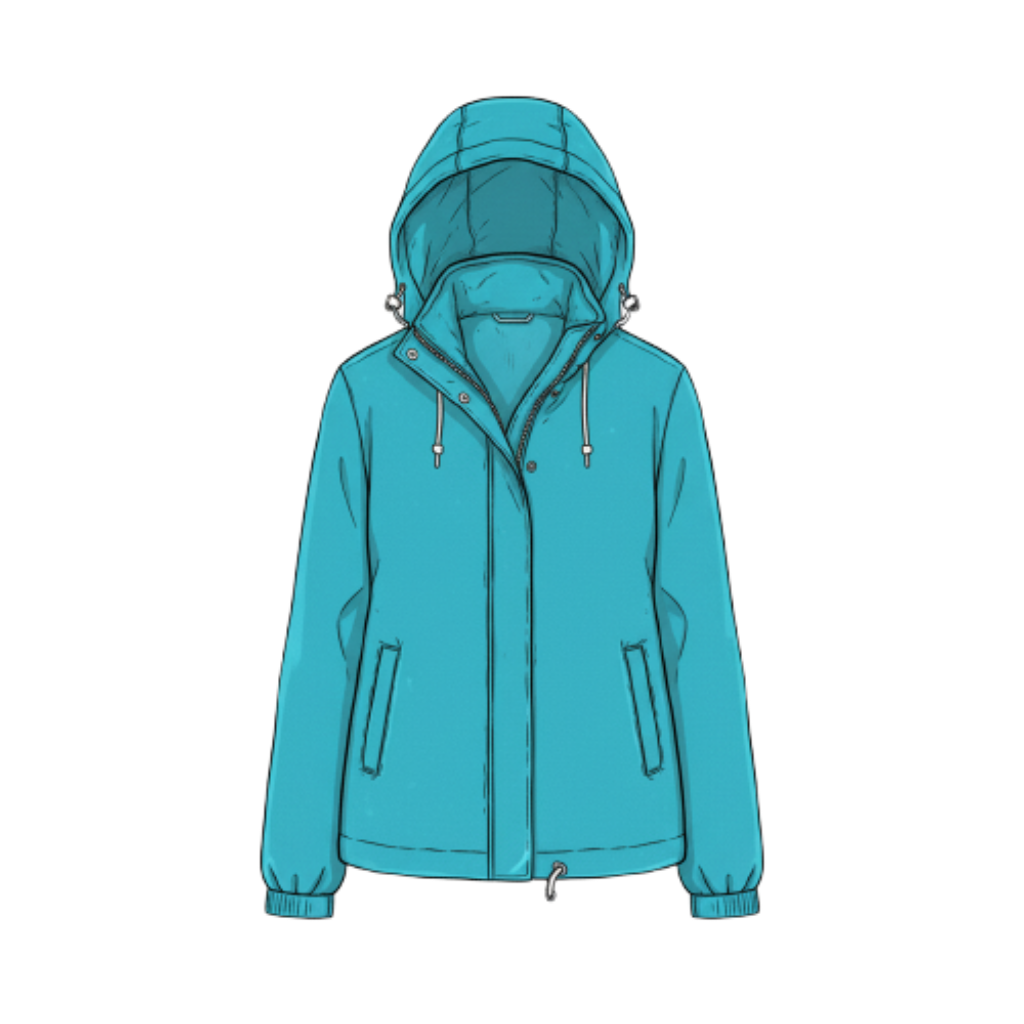
outerwear / Rain Jacket
shell jacket
lightweight
Toronto's climate is a true four-season experience, and few North American cities test a visitor's wardrobe more thoroughly across the calendar. January brings Arctic cold with wind chills that can drop below -13°F on the exposed Harbourfront, making under-prepared outerwear genuinely dangerous. By July, the humidity off Lake Ontario pushes humidex values near 104°F, transforming an afternoon at Toronto Islands into a sweaty endurance test without breathable, moisture-wicking clothing. Beyond temperature extremes, Toronto rewards those who plan around the city's unique geography. The underground PATH network — over 19 miles of tunnels connecting Union Station to the Financial District — means visitors who know the system can escape brutal winter cold entirely, but must layer carefully for the swing between -5°F outside and 70°F indoors. The Distillery District and Kensington Market's cobblestones ice over unpredictably through March, demanding boots with serious traction. Pack for the full range — Toronto's climate is unforgiving to the underprepared.
Curated Looks
No outfits found for this style. Try a different filter.
Packing List
What to Pack for Toronto →
Best shoes
Best shoes for Toronto — by month →
Climate-matched walking shoes, waterproof boots, and sandals.
Plan Ahead by Month
See typical weather and outfit ideas for Toronto in any month of the year.
Frequently Asked Questions
What should I wear in Toronto?+
What you wear in Toronto depends entirely on the season. Winters demand a serious insulated parka rated to at least -4°F, thermal base layers, waterproof boots with grip, a hat, gloves, and a scarf for protection against wind chills that regularly hit -13°F. Summers call for light, breathable, moisture-wicking fabrics for the humid July and August heat. Spring and fall require versatile layers with a waterproof outer layer, as temperatures swing dramatically and surprise snow is possible into April.
Is Toronto a good city to visit?+
Toronto is an excellent city to visit at any time of year — it offers world-class dining, diverse neighbourhoods from Kensington Market to Yorkville, and major attractions like the CN Tower, ROM, and Toronto Islands. Winter visitors should come prepared for serious cold but are rewarded with a less crowded, more local experience. Summer visitors enjoy the lakefront and outdoor festivals but need breathable clothing for the humidity.
What shoes should I wear in Toronto?+
In winter (December through March), waterproof insulated boots with aggressive grip soles are non-negotiable — Toronto's sidewalks and the cobblestones of the Distillery District become dangerously icy. For spring and fall, ankle-height waterproof boots handle rain and cold snaps. In summer, comfortable walking shoes or sneakers work well for the CN Tower, Harbourfront, and Toronto Islands, though sandals are fine for warm days.
How is the climate in Toronto?+
Toronto has a humid continental climate with four distinct seasons. Winters are cold and snowy with January averages of 28°F highs and 16°F lows, plus frequent wind chills below -13°F when Arctic air crosses Lake Ontario. Summers are warm and humid with July averages of 79°F and humidex values often near 104°F. Spring and fall are transitional with significant rainfall — expect snow as late as April and the first frost as early as October.
What should I pack for Toronto?+
Pack based on your travel month. For winter: a serious insulated parka, thermal underwear, waterproof grippy boots, hat, gloves, scarf, and moisture-wicking base layers for indoor-outdoor transitions. For summer: lightweight breathable fabrics, sunscreen, a compact umbrella for afternoon thunderstorms, and comfortable walking shoes. Year-round essentials include layers, a waterproof jacket, and footwear suited to the season's conditions.
Packing Calculator
How many outfits do you actually need?
Free · no sign-up needed