Cozy
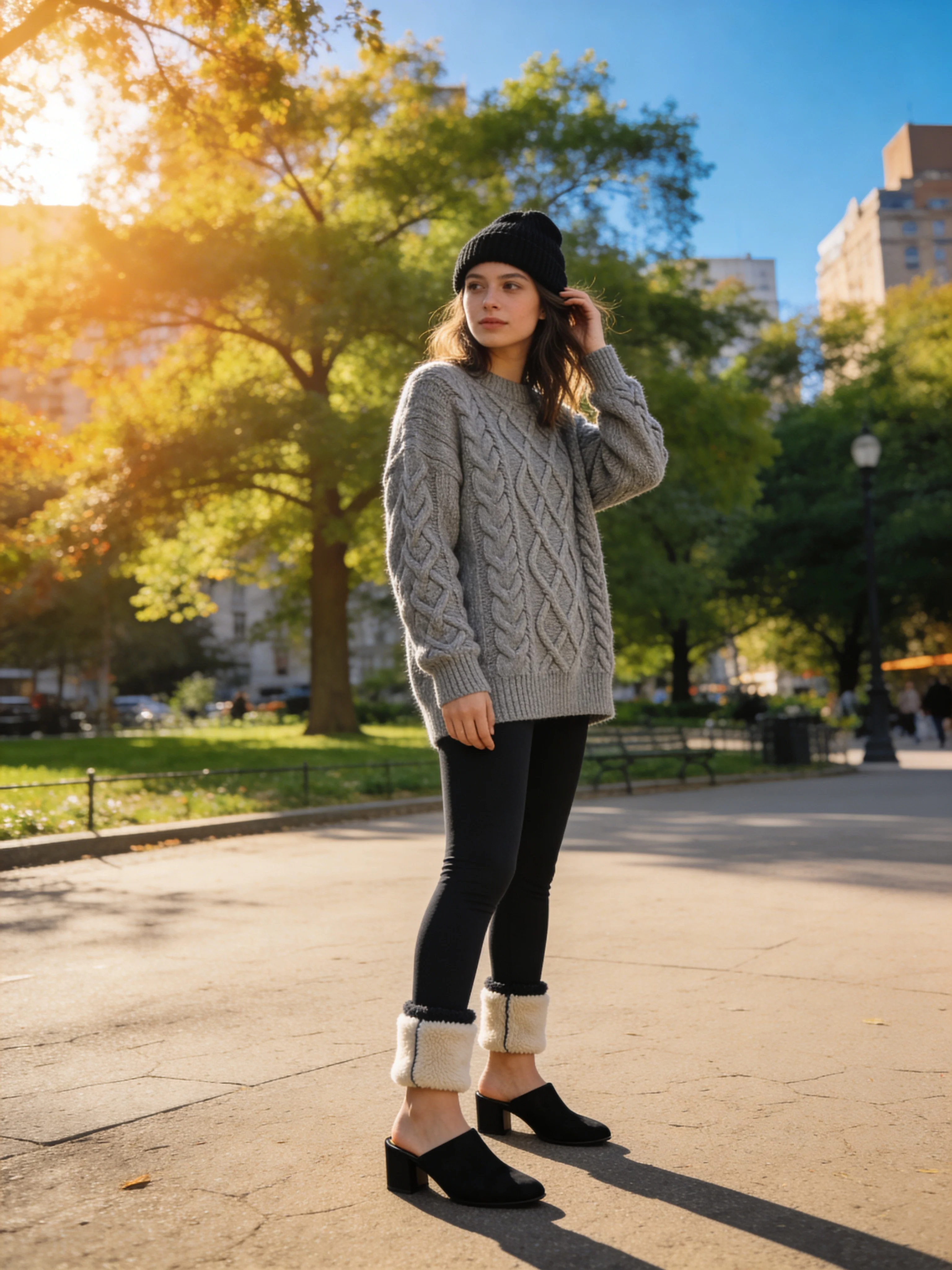
Cable Knit and Mules
A grey cable knit with fleece-lined leggings and black mules in warmer weather is cozy without capitulating to the temperature. A knit beanie on a warm-clear day feels like a choice.

January in Tucson averages 38–63°F — the Sonoran Desert's dry winter with crisp mornings and pleasantly warm afternoons that make Saguaro National Park and Sabino Canyon some of the best hiking in the Southwest. A medium-weight jacket handles the 25°F daily swing from the 38°F desert dawn to the 63°F mid-afternoon; only about 5 rainy days bring any precipitation. The dry desert air makes the cool mornings feel crisper than humid climates at similar temperatures.
Also packing for this trip?
Full January packing list for Tucson →
Checklist of clothes, shoes, and gear — separate from these outfit ideas.
Compare prices across top booking sites for Jan 1–4.
Powered by Hotellook · prices from Booking.com, Agoda, and more

top / Short-Sleeve Top
classic tee

bottom / Jeans
straight-leg
chinos for a slightly smarter look

footwear / Sneakers
classic sneakers
cushioned for all-day city walking
Based on typical January conditions in Tucson. Weather varies year to year — check the live forecast when you're within two weeks of your trip.
Tucson in January offers a delightful escape from harsher winter climates, characterized by abundant sunshine and significant temperature variations. Daytime temperatures typically range from the low to mid-60s°F (15-20°C), feeling mild and pleasant under the clear desert sky. However, evenings and early mornings see a substantial drop, often falling into the 30s°F (0-5°C), and occasionally even dipping below freezing. Precipitation is minimal, making January one of the drier months with very little chance of rain. Given this climate, layering is paramount for comfort in Tucson during January. For daytime activities, opt for light long-sleeved tops, jeans or sturdy trousers, and a light jacket or cardigan that can be easily removed. As the sun sets, you'll need to transition to warmer attire; sweaters, a heavier jacket or coat, and closed-toe shoes are essential to stay comfortable. Don't forget sunglasses and sunscreen for the strong desert sun, even in winter, and consider a scarf or warm hat for the chilly evenings. Comfortable walking shoes are also a must for exploring.
A grey cable knit with fleece-lined leggings and black mules in warmer weather is cozy without capitulating to the temperature. A knit beanie on a warm-clear day feels like a choice.

At 65–74°F the mauve tie-front cropped linen shirt earns its place over ivory wide-leg linen trousers. Ivory pointed-toe mules and aviator sunglasses make the commute feel like an editorial moment.

Embrace the 65–74°F sunny weather with a breathable linen shirt, classy bermuda shorts, and espadrilles. Pair it with a class bucket bag for that summer ready look.

A white oversized button-down with ivory wide-leg linen trousers and a brown woven belt is the warm-clear uniform for someone who doesn't overthink it. Black mule heels are the one decisive choice.
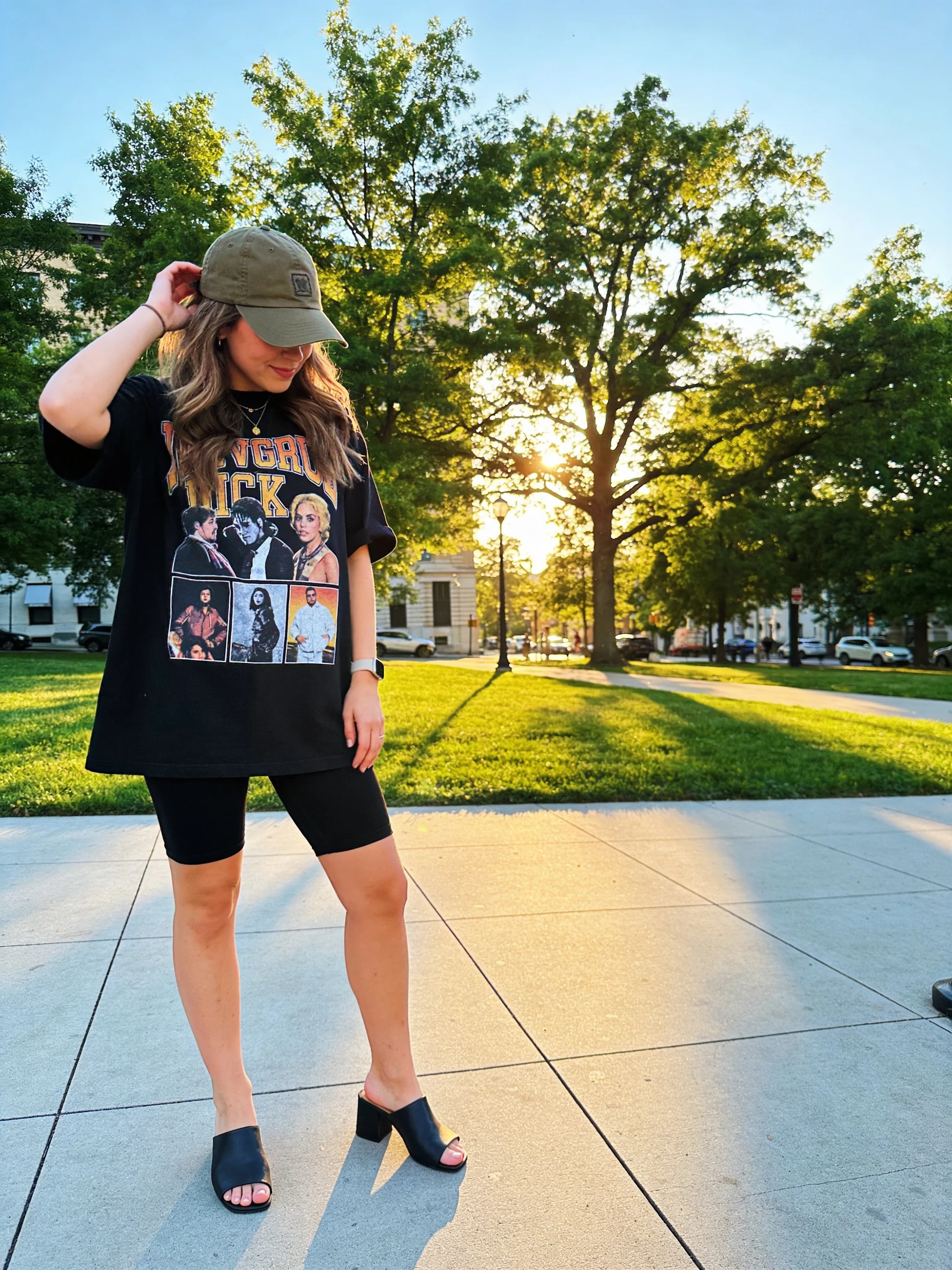
A black graphic tee over biker shorts with mule heels is the warm-day sporty look that works from coffee to casual. The olive baseball cap adds a directional touch.

An ivory silk-look blouse tucked into a black pleated maxi skirt is the warm-clear formal look with evening flexibility. Espadrilles and a black mini bag make it daytime without losing the occasion feel.

A floral pleated midi skirt with a white fitted tank and black mules reads warm-day dressed-up without veering formal. A crochet bucket hat shifts the mood back to weekend.
Due to significant daily temperature swings, layering is crucial. For mild days, wear long-sleeved shirts, jeans, and a light jacket. For cool to cold evenings and mornings, pack sweaters, a medium-weight to heavy jacket, and closed-toe shoes. Don't forget sunglasses for abundant sunshine.
Tucson's January days are comfortably mild, often reaching the low to mid-60s°F (15-20°C). However, nights and early mornings are quite cold, frequently dropping into the 30s°F (0-5°C) and sometimes below freezing. Warm outerwear is essential after sunset.
January is typically one of Tucson's driest months, with very low chances of significant rainfall. While a brief, light shower isn't impossible, you can generally expect clear, sunny skies. An umbrella is usually not a top packing priority for this month.
Pack versatile layers including long-sleeved shirts, sweaters, jeans or sturdy trousers, and a medium-weight jacket that can handle cold evenings. Include sunglasses, sunscreen, and comfortable closed-toe shoes for exploring. A warm hat or scarf can also be beneficial for chilly nights.
Packing tools
Free calculators — city and month pre-filled when we know them. No account required. Start with how many outfits, sudoku packing, or bag fees.
Trip
Planning a trip to one city?
One city → typical weather for your month, packing counts that fit your bags, and email your plan.
Outfits
How many outfits for this trip?
Trip length, bag size, and climate → exact tops, bottoms, layers, and outfit combinations.
Jacket
Not sure about a jacket?
City + month → base / mid / shell stack and pack-or-skip verdicts for rain jacket, coat, and thermals.
Shoes
Shoes for this climate?
Climate, activities, and bag size → pair count, primary/backup types, and climate-matched picks.
Bags
Will this trip cost bag fees?
Airline + fare bucket + bags you plan to bring → fit verdicts and typical carry-on / checked fee ranges.
Capsule
Try sudoku packing for this climate?
City + month → climate-ready 3 tops / 3 bottoms / 3 layers you can edit — up to 27 mix-and-match outfits.