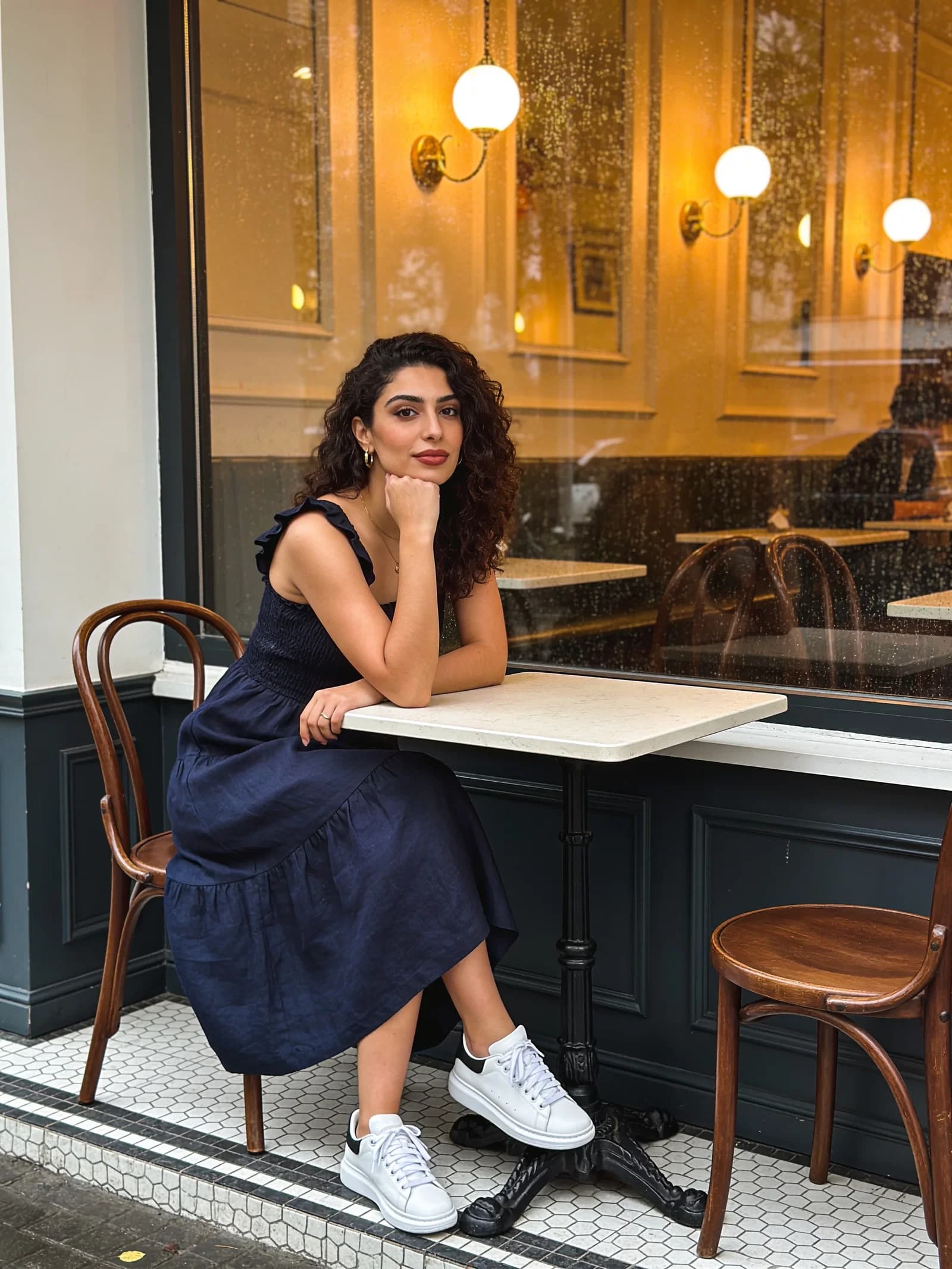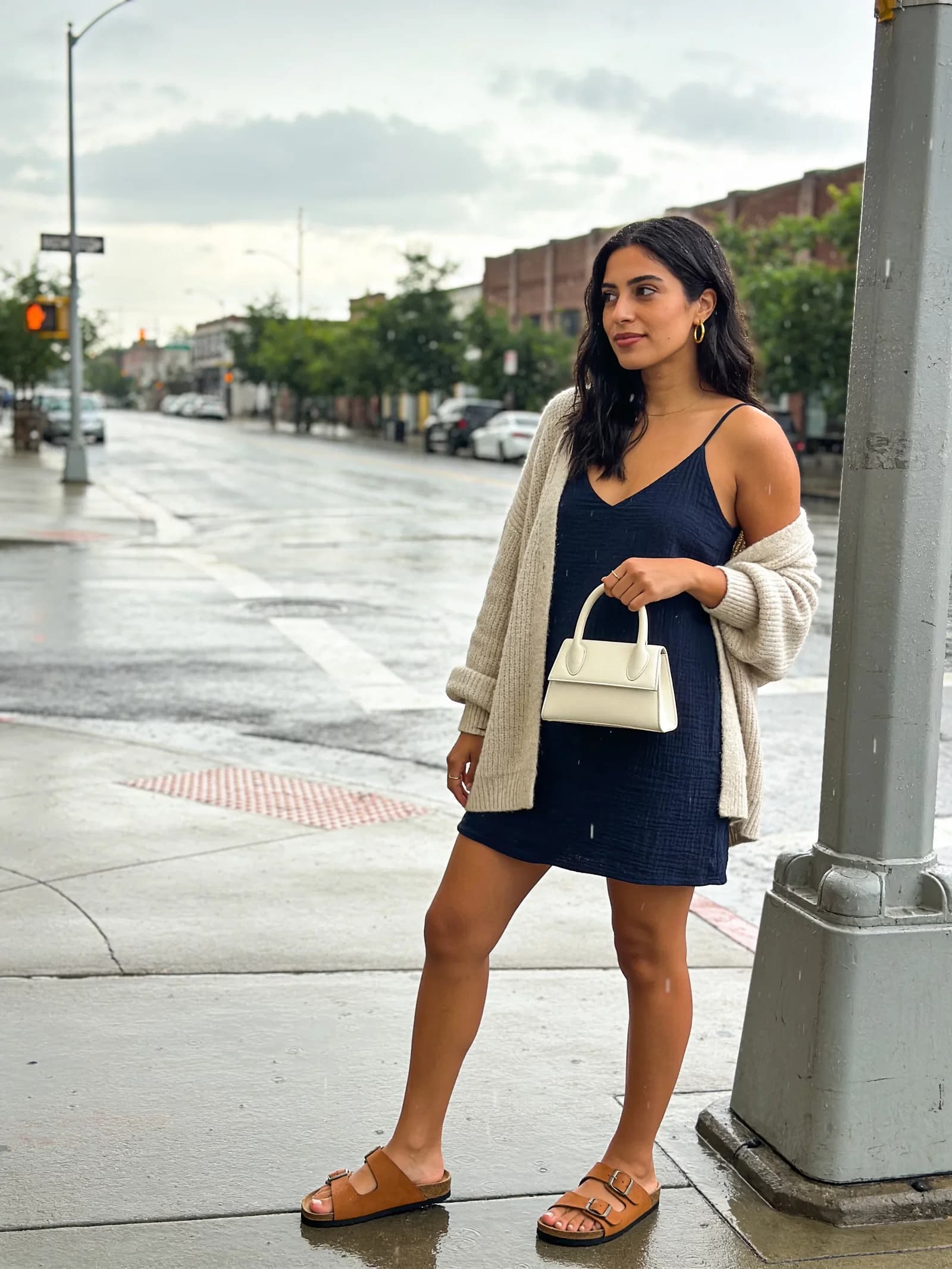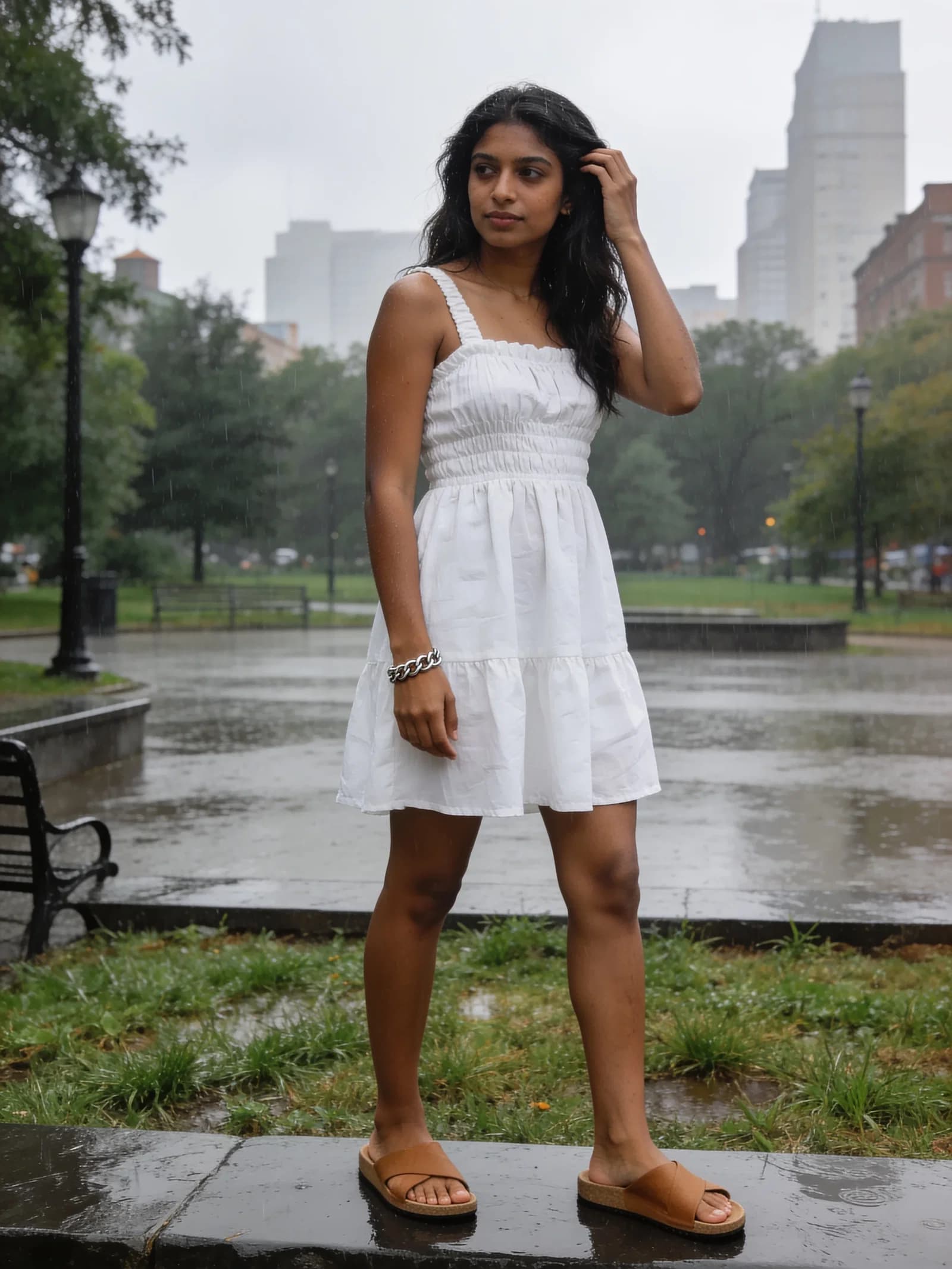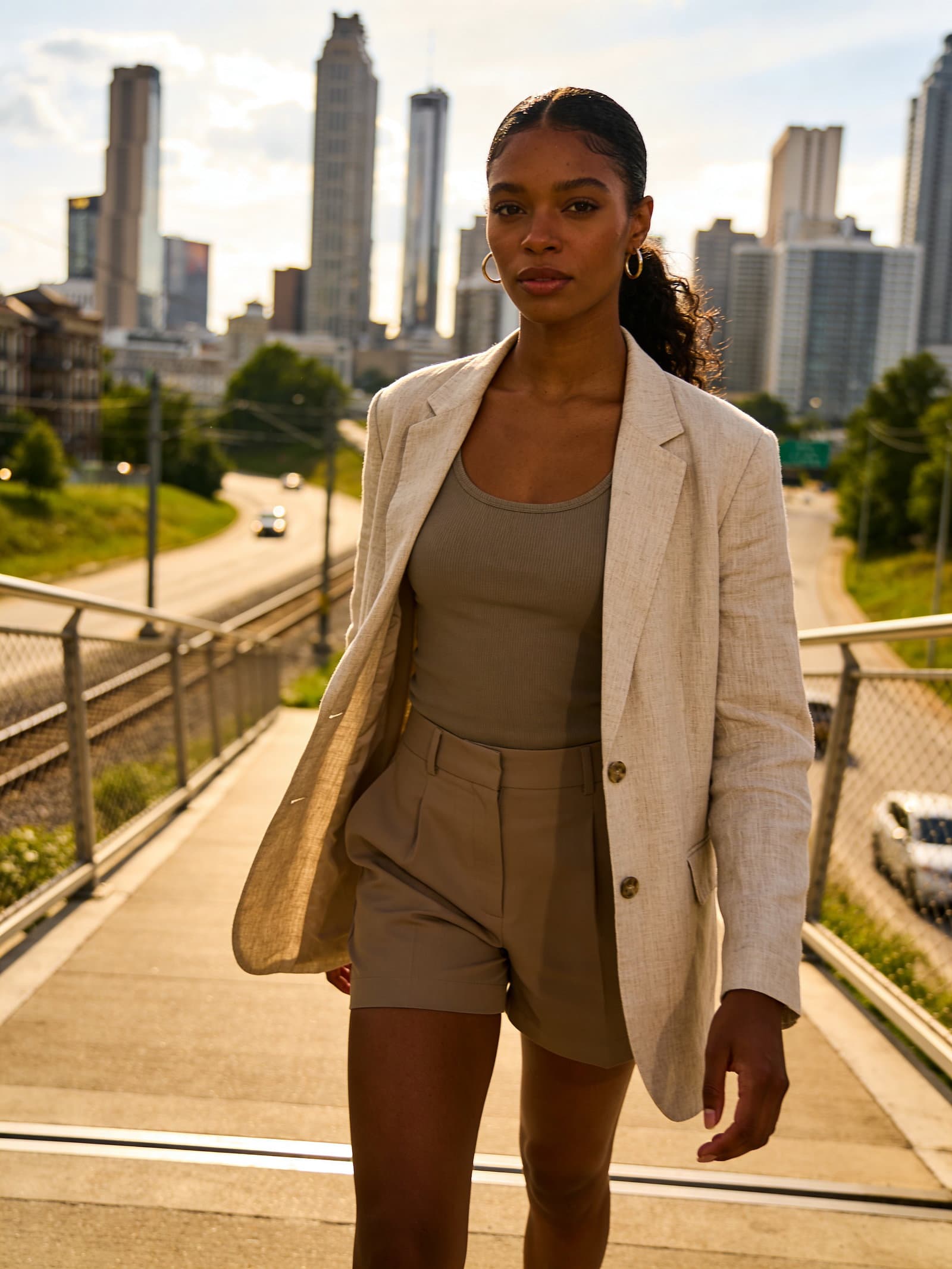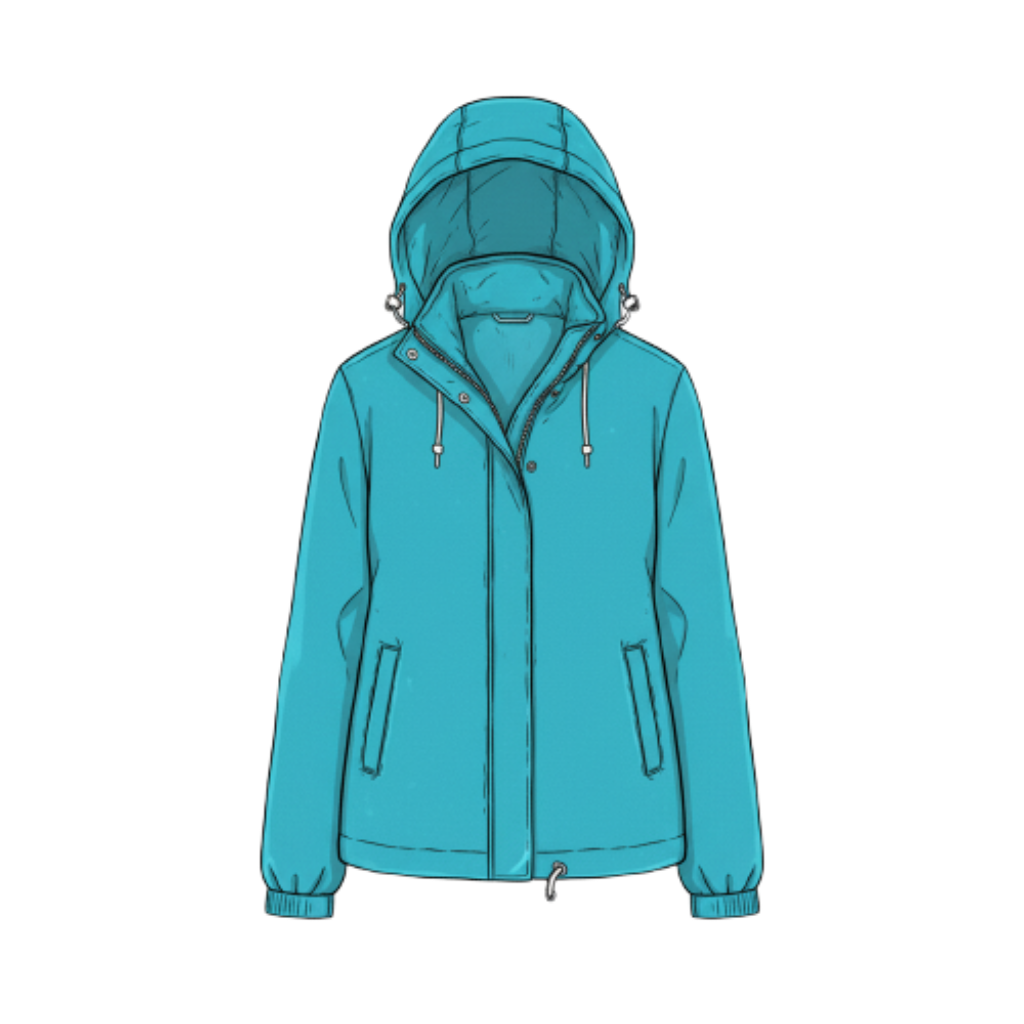
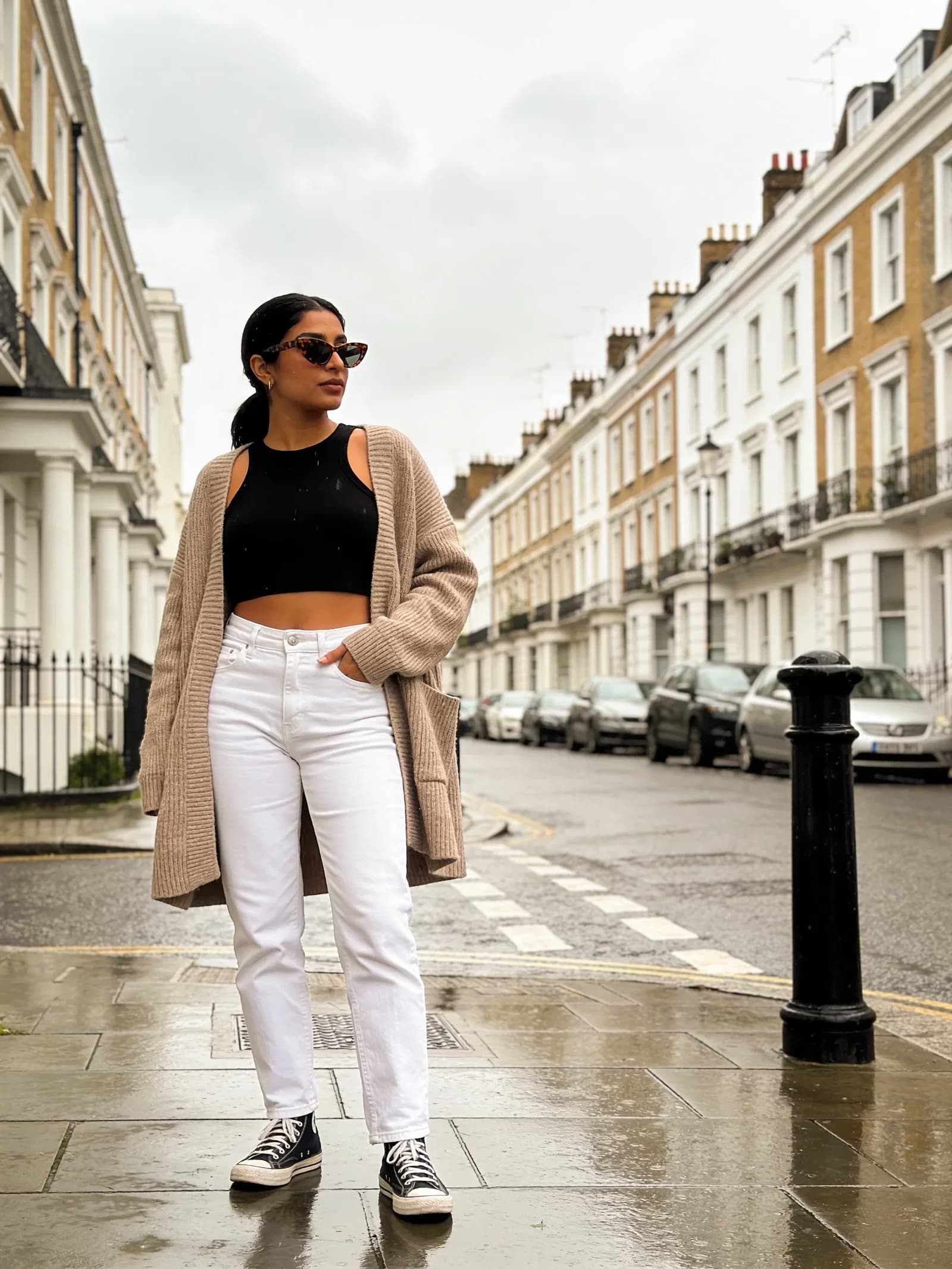
Atlanta in July is hot, humid, and unrelenting. Daytime temperatures regularly climb into the low-to-mid 90s°F (32–35°C), with heat index values that can push it well past 100°F when you factor in the thick Southern humidity. Nights offer only modest relief, rarely dropping below the mid-70s°F. Afternoon thunderstorms are a near-daily occurrence — typically brief but intense — so rain gear is a genuine necessity, not an afterthought. For outfits, prioritize lightweight, breathable fabrics like linen, moisture-wicking cotton, or technical athleisure blends. Loose-fitting shorts, sundresses, linen trousers, and sleeveless tops are your everyday staples. Light colors will help reflect heat rather than absorb it. A compact umbrella or a packable rain jacket belongs in your bag every single day. One often-overlooked factor: Atlanta's aggressive air conditioning. Restaurants, malls, and rideshares can feel arctic compared to the street, so always carry a lightweight cardigan or layer you can throw on indoors. Comfortable sandals work well for casual outings, but if you're doing any walking around neighborhoods like Inman Park or the BeltLine, opt for supportive footwear. SPF, sunglasses, and a breathable hat round out a smart July kit in Atlanta.
No outfits found for this style. Try a different filter.
Stick to lightweight, breathable pieces — think linen shorts, cotton sundresses, moisture-wicking tops, and loose trousers. The heat and humidity are intense during the day, so avoid heavy fabrics entirely. Always bring a light cardigan or layer for heavily air-conditioned indoor spaces, and keep a compact umbrella handy for the frequent afternoon thunderstorms.
Not at all — July is one of the hottest months in Atlanta. Daytime highs consistently reach the low-to-mid 90s°F (around 32–35°C), with high humidity making it feel even hotter. The only time you might feel cold is inside heavily air-conditioned buildings, so pack a light layer for that contrast.
Yes, Atlanta sees frequent rain in July, averaging around 5 inches of precipitation across roughly 11–13 rainy days. Showers typically arrive as short but heavy afternoon or evening thunderstorms driven by summer heat buildup. They rarely last long, but they can be intense — carry a compact umbrella or packable rain jacket every day.
Pack light, breathable clothing in natural or moisture-wicking fabrics — sundresses, linen shorts, loose cotton tops, and at least one pair of comfortable walking shoes. Include a compact umbrella or rain jacket for daily storms, a lightweight cardigan for strong indoor air conditioning, and sun protection essentials like SPF, sunglasses, and a wide-brimmed hat. Leave heavy jeans and thick layers at home.