
What to Wear in Panama City
What to Wear in Panama City
Friday, October 2
Panama City Beach's Gulf Coast climate means peak winter comfort at 62–65°F highs — warm enough for daytime beach activity, but evenings drop to the low 40s–50s requiring a real layer for waterfront dining. Spring break in March brings 71°F average highs that feel warm in sunshine but cool after sunset, and the white quartz sand reflects UV intensely enough to cause faster burns than most beaches. Summer afternoon thunderstorms on the Gulf are intense and frequent; morning beach time is the reliable window.
Where to stay in Panama City
Powered by HotellookCompare rates across Booking.com, Agoda, Expedia, and Trip.com in one search.
Search hotels in Panama CityWhat to wear
Based on 80°F and clear sky

top / Short-Sleeve Top
classic tee

bottom / Jeans
straight-leg
chinos for a slightly smarter look

footwear / Waterproof Boots
ankle boots
rubber sole for traction — keep feet dry all day
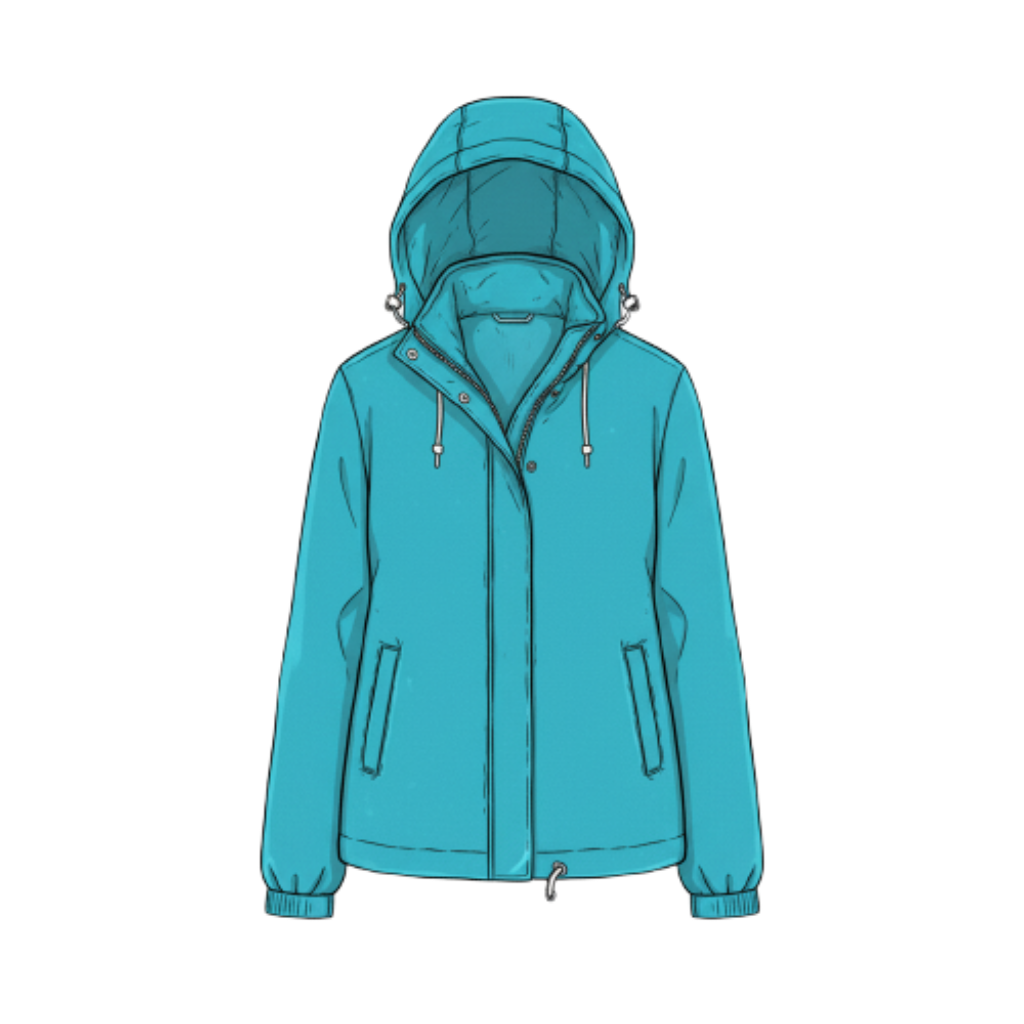
outerwear / Rain Jacket
shell jacket
lightweight
Panama City, Florida sits along the Gulf Coast in the Florida Panhandle, and its climate reflects that geography in a direct way. Summers are long, humid, and hot, with temperatures regularly climbing into the low 90s°F from June through September. Afternoon thunderstorms are a near-daily occurrence during these months, so lightweight rain gear is a practical addition to any summer bag. Spring and fall offer the most comfortable conditions, with daytime highs settling in the 70s°F and lower humidity making time outdoors genuinely pleasant. Winters are mild by most standards but noticeably cooler than South Florida — January averages hover in the mid-50s to low 60s°F, and cold fronts can push temperatures into the 30s°F overnight. The local style is deeply shaped by beach culture. Panama City Beach draws a heavy tourist crowd, and casual beachwear dominates the warmer months — board shorts, swimwear, cover-ups, and sandals are the norm along the coast. Further inland and in the older downtown area, the dress code remains relaxed but slightly less resort-focused. Year-round, the emphasis is on breathable, casual clothing, with layers kept on hand for air-conditioned restaurants and the occasional cool evening from October through March.
Curated Looks
No outfits found for this style. Try a different filter.
Packing List
What to Pack for Panama City →
Best shoes
Best shoes for Panama City — by month →
Climate-matched walking shoes, waterproof boots, and sandals.
Plan Ahead by Month
See typical weather and outfit ideas for Panama City in any month of the year.
Frequently Asked Questions
What to wear in Panama City in summer?+
Summer in Panama City, FL is hot and humid, with temperatures in the 88–93°F range and high moisture in the air. Stick to lightweight, breathable fabrics like linen, cotton, or moisture-wicking blends in shorts, sundresses, or swim cover-ups. A compact umbrella or waterproof layer is worth carrying since afternoon thunderstorms roll in most days between June and September. Comfortable sandals or water-friendly footwear will serve you well along the beach and boardwalk areas.
What to wear in Panama City in winter?+
Winters in Panama City are mild but can be unpredictable — daytime highs typically reach the low 60s°F, but cold fronts can drop overnight temperatures into the mid-30s°F. Layer up with a medium-weight jacket or fleece, jeans or trousers, and closed-toe shoes or ankle boots. A packable windbreaker is useful since Gulf breezes make the air feel colder near the water. You won't need heavy winter coats, but arriving with only beach clothes will leave you underdressed on cooler days.
Is Panama City, FL cold?+
Panama City does not get cold by northern standards, but it is noticeably cooler than South Florida in winter. January is the coldest month, with average highs around 60°F and lows that can dip below 40°F during cold snaps. Snow is extremely rare and typically doesn't accumulate. From late October through February, a light jacket and layers are recommended, especially for evenings near the water.
What is the weather like in Panama City, FL?+
Panama City has a humid subtropical climate with four loosely defined seasons. Summers are hot and wet, regularly hitting the low 90s°F with high humidity and frequent afternoon storms. Spring and fall are the most comfortable seasons, offering warm but manageable temperatures in the 70s°F. Winters are short and mild, though cold fronts do pass through the Panhandle region, making it cooler than most of Florida during December through February.
Packing tools
Decide jackets, outfits, shoes, and bag fees for Panama City
Free calculators — city and month pre-filled when we know them. No account required. Start with how many outfits, sudoku packing, or bag fees.
Trip
Planning a trip to one city?
One city → typical weather for your month, packing counts that fit your bags, and email your plan.
Outfits
How many outfits for this trip?
Trip length, bag size, and climate → exact tops, bottoms, layers, and outfit combinations.
Jacket
Not sure about a jacket?
City + month → base / mid / shell stack and pack-or-skip verdicts for rain jacket, coat, and thermals.
Shoes
Shoes for this climate?
Climate, activities, and bag size → pair count, primary/backup types, and climate-matched picks.
Bags
Will this trip cost bag fees?
Airline + fare bucket + bags you plan to bring → fit verdicts and typical carry-on / checked fee ranges.
Capsule
Try sudoku packing for this climate?
City + month → climate-ready 3 tops / 3 bottoms / 3 layers you can edit — up to 27 mix-and-match outfits.