January in Panama City averages 42–62°F — the Florida Panhandle's coolest month, with cold fronts from the north occasionally dropping overnight lows toward the upper 30s. A medium-weight jacket and light layers handle the range from cool mornings along the Gulf Coast beaches to mild afternoons at St. Andrews State Park; about 9 rainy days bring frontal precipitation. The Emerald Coast's Gulf water is cold for swimming but the beaches are strikingly beautiful and largely empty.
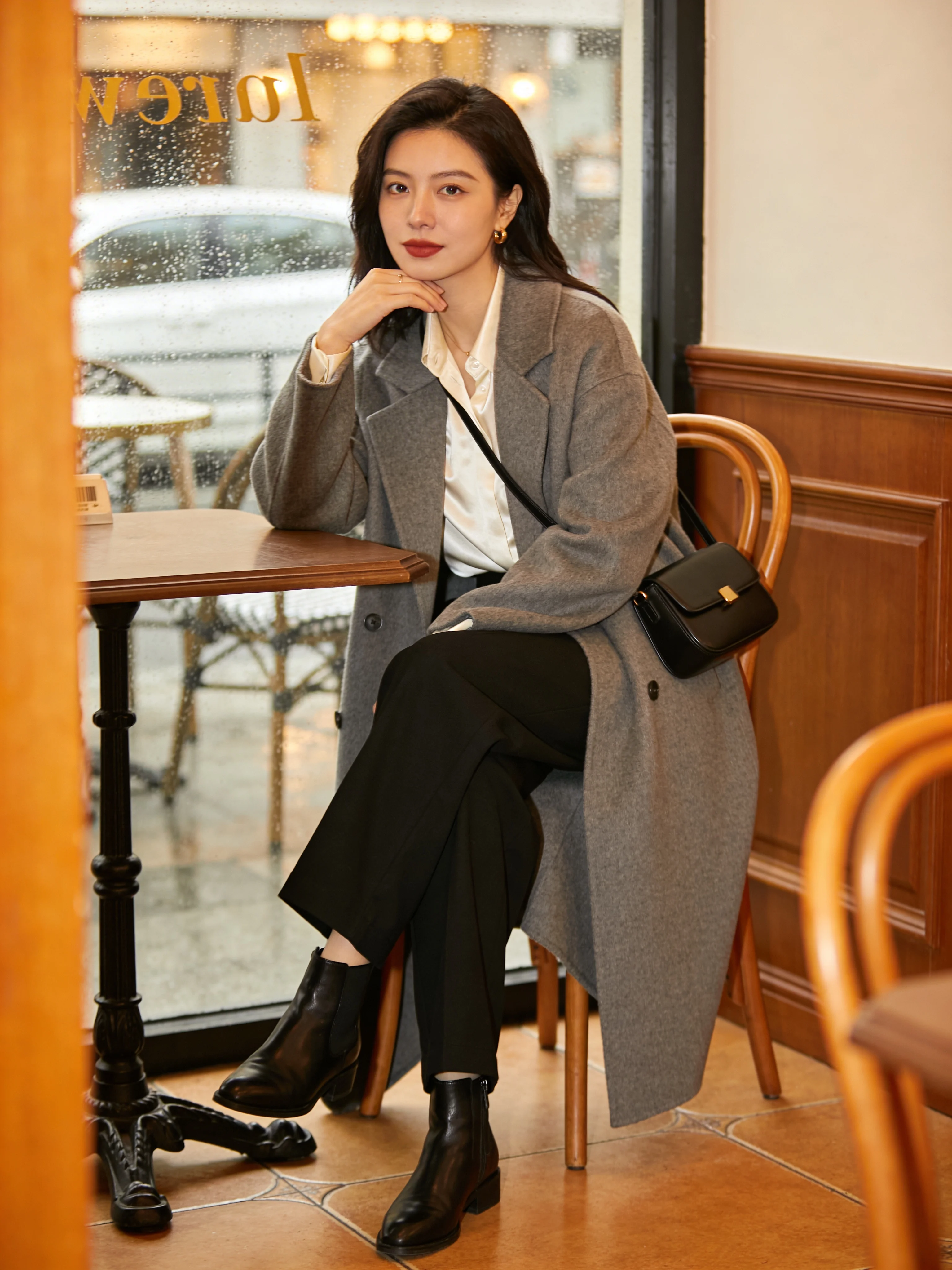
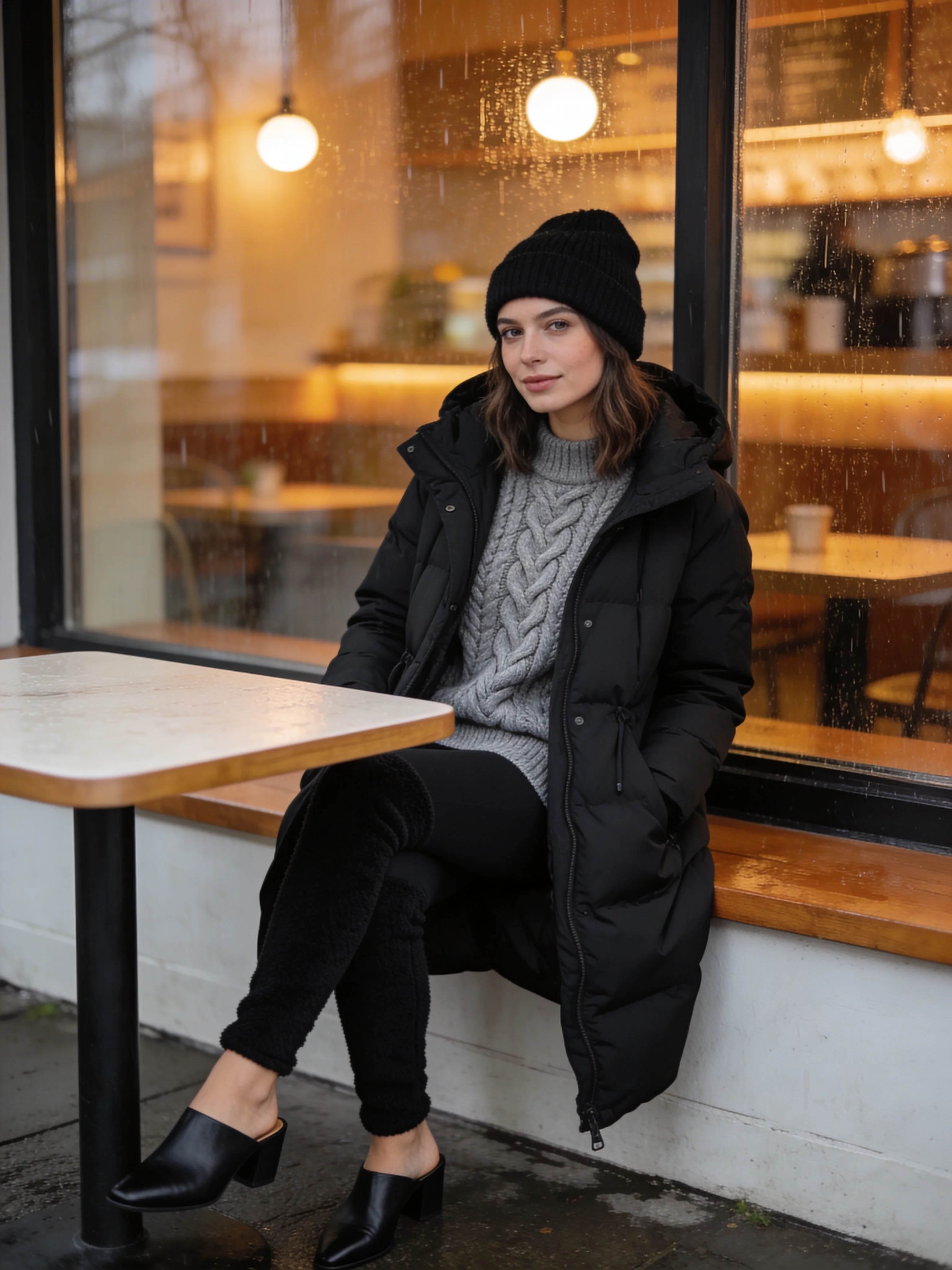
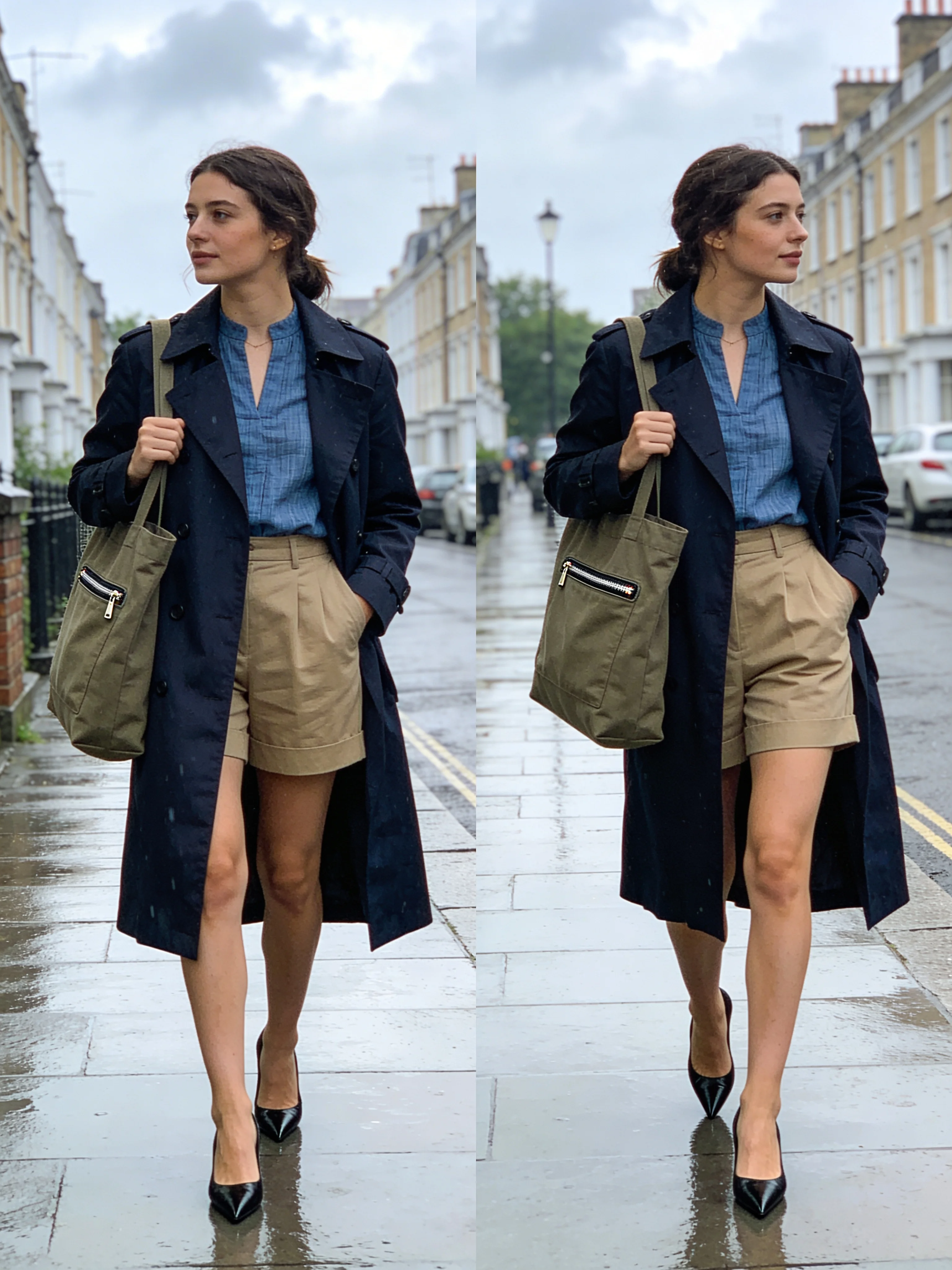
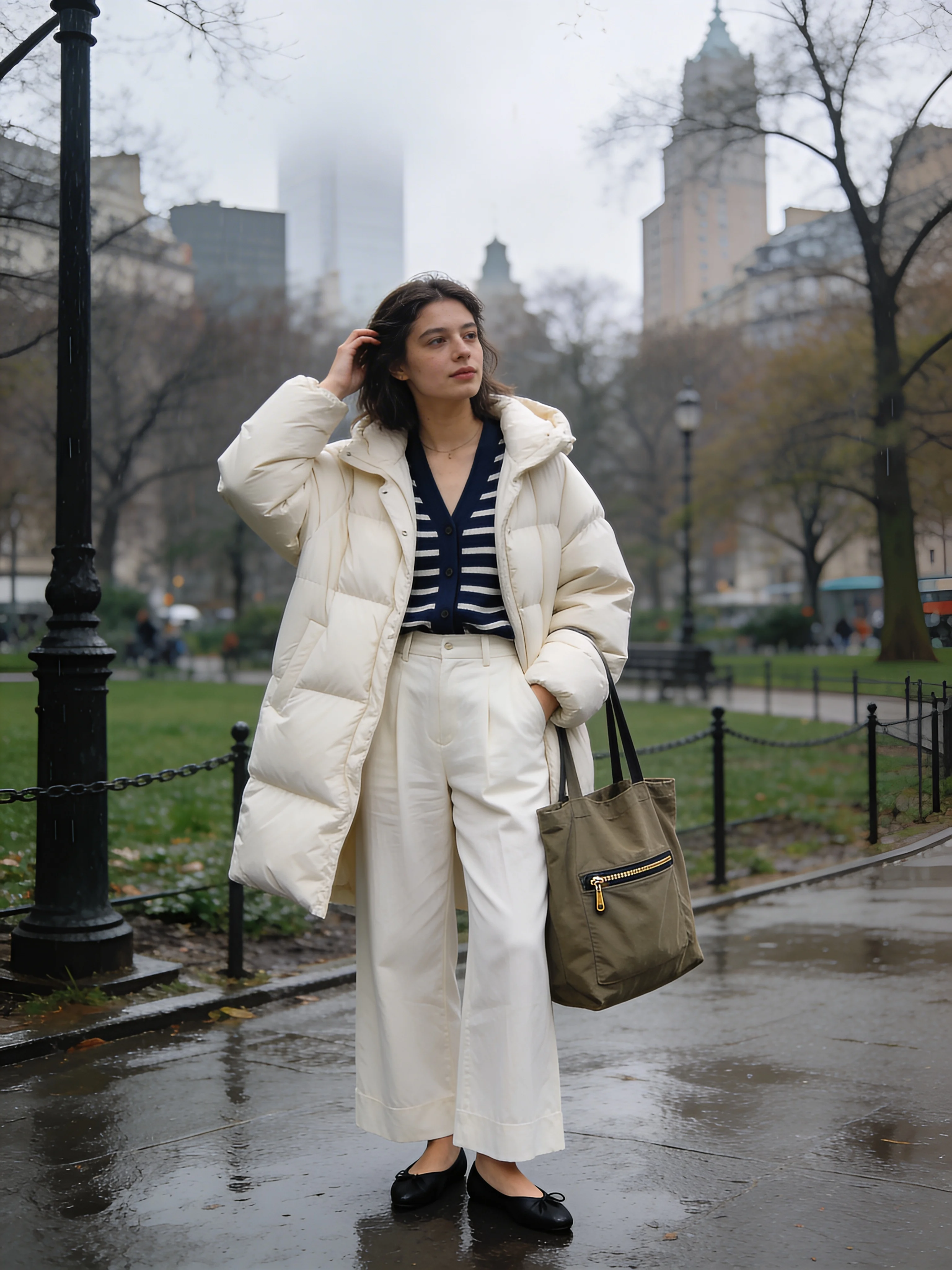
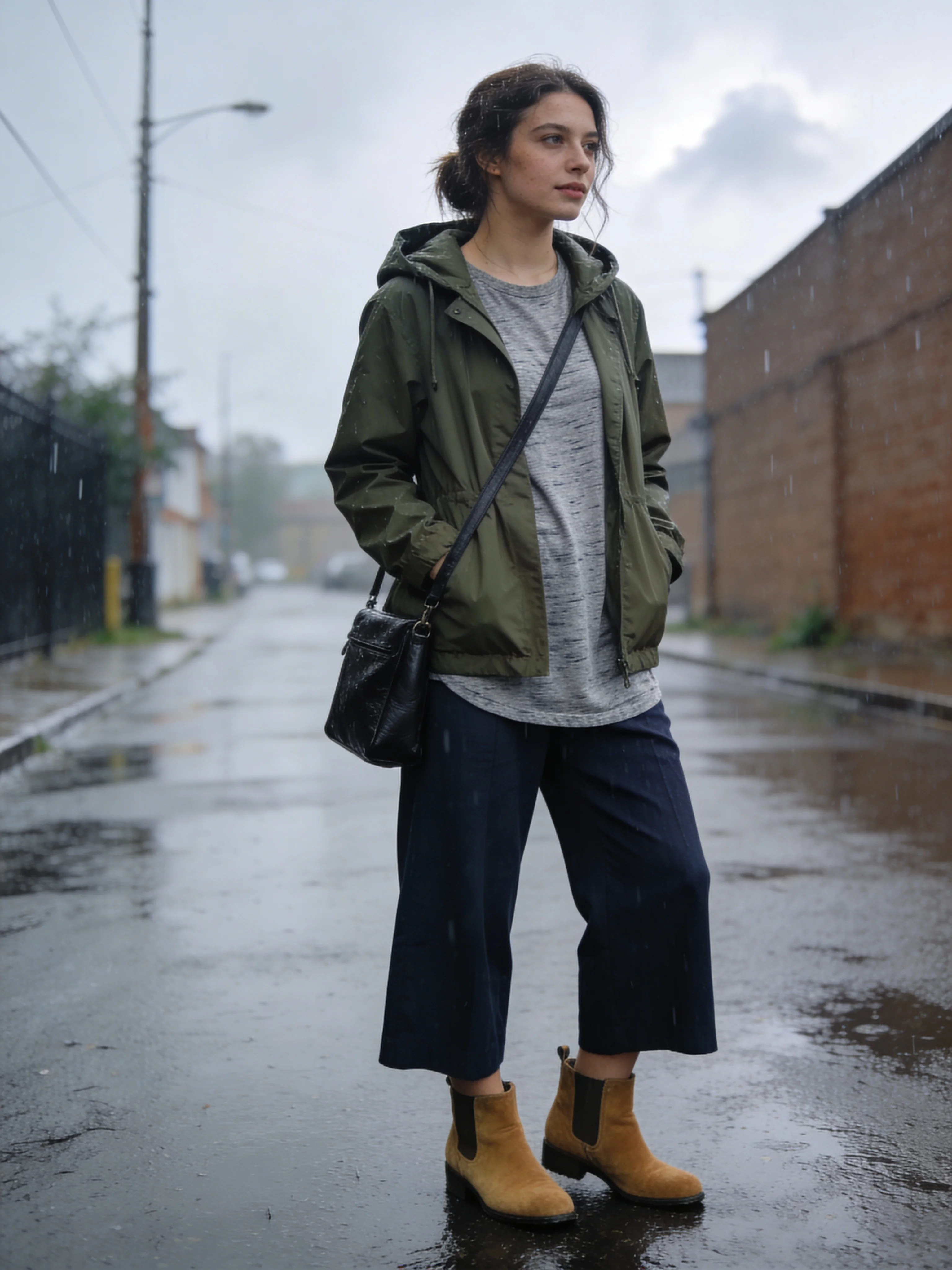
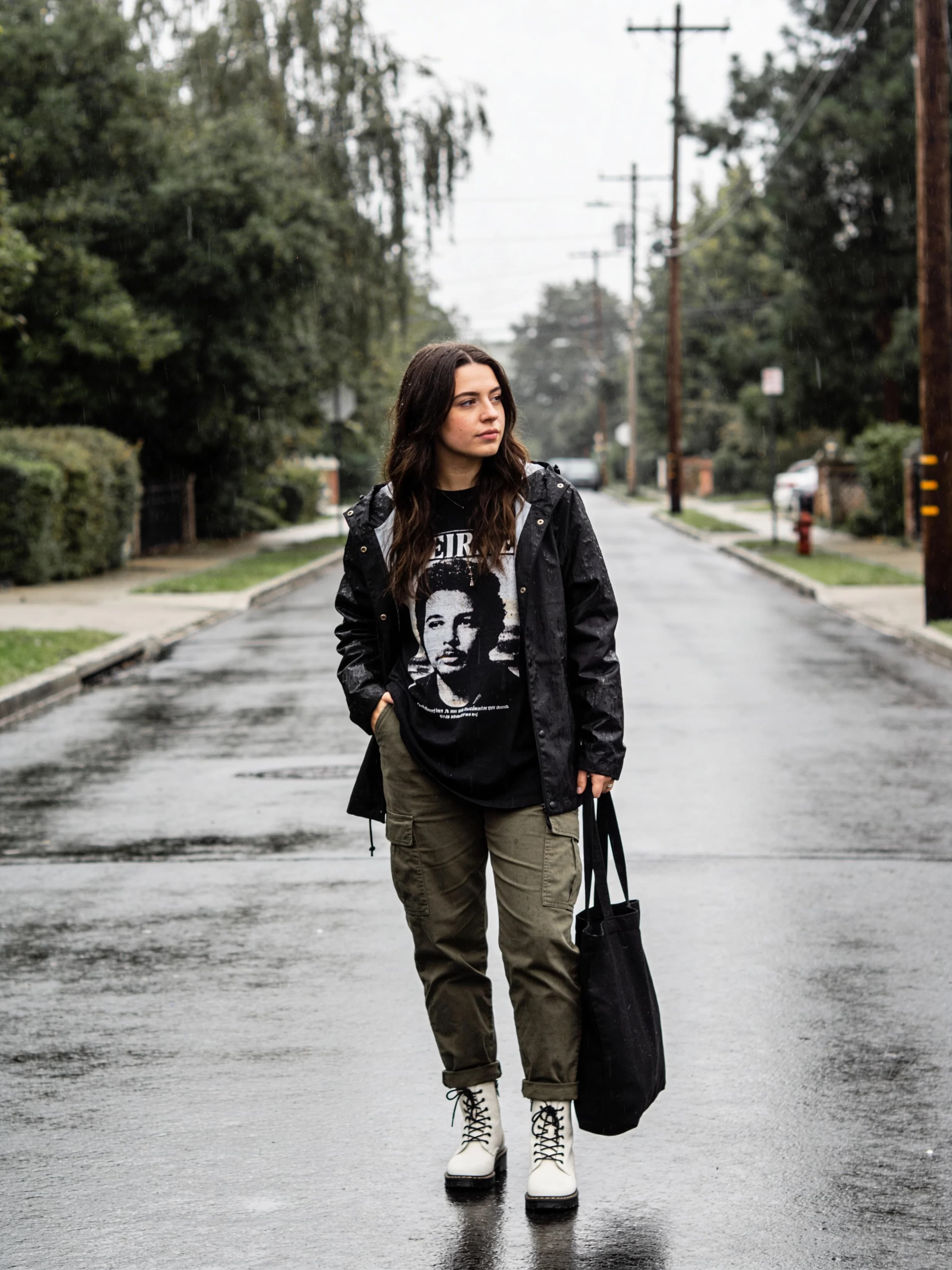
Panama City's January delivers the Gulf Coast's most genuinely cool month — average lows near 42°F, highs around 62°F, and the 20°F daily swing that defines the Panhandle's continental-influenced winter. Cold fronts from the north pass through every 7–10 days, dropping temperatures to the upper 30s for 24–48 hours before the Gulf's moderating influence restores the milder conditions. St. Andrews State Park's emerald-green water and white sand beaches are extraordinary in January light — uncrowded, clear, and calm — even if the Gulf temperature (around 62°F) is cool for swimming. About 9 rainy days come from cold front passages. Panama City's Gulf Coast casual style reflects the front-and-recover cycle of Panhandle January weather — a medium-weight jacket for front days, light jeans and a flannel or light sweater for the milder inter-front windows. A water-resistant outer layer handles the frontal rain. Comfortable walking shoes or low boots cover St. Andrews State Park's shell-rich beach and the marina area's waterfront; sandals return on the milder, sunnier afternoons.
No outfits found for this style. Try a different filter.
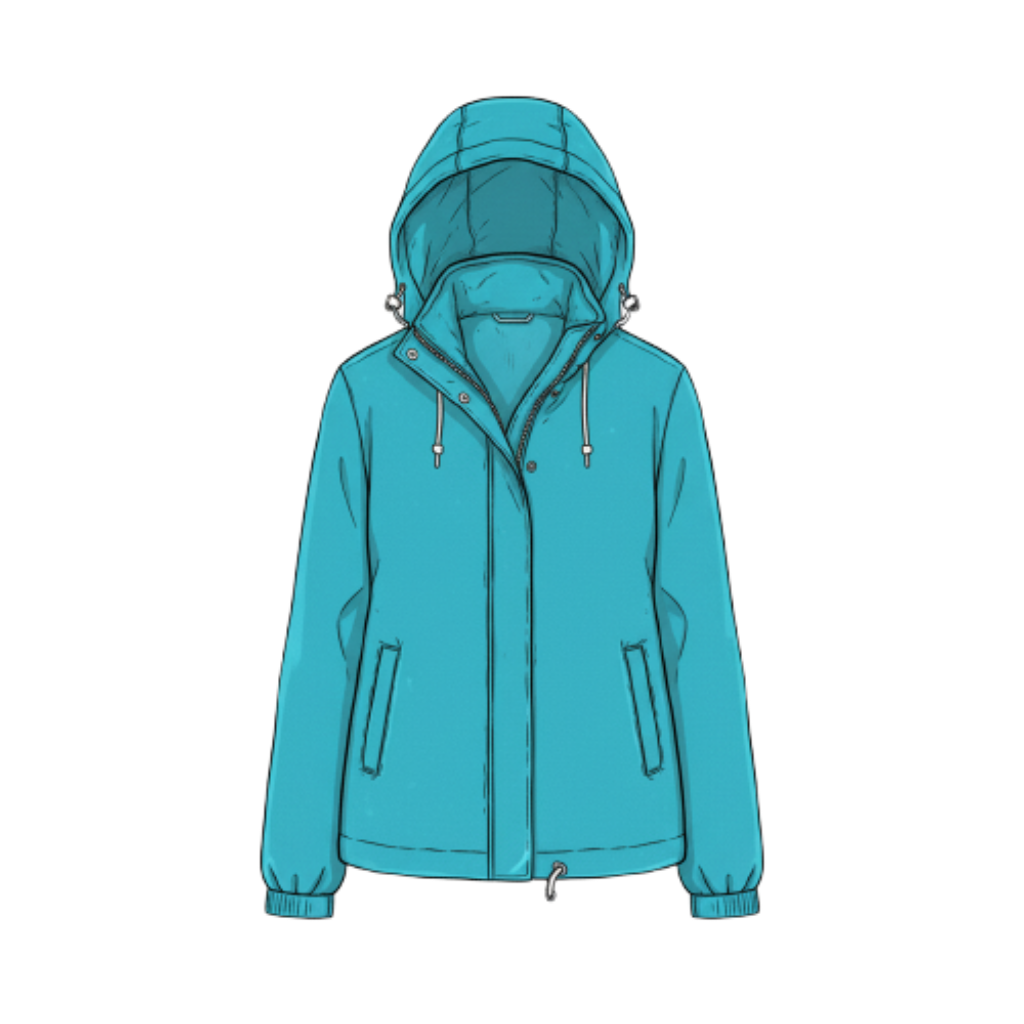
A medium-weight jacket handles the range from cold front mornings near 42°F to mild afternoons at 62°F. Layer a light sweater or long-sleeve underneath for flexibility. Comfortable walking shoes or ankle boots handle St. Andrews State Park's beach paths and the downtown marina area after frontal rain. Sandals are viable on the warmest, driest afternoons. A water-resistant outer layer covers the frontal rain days.
January is an excellent month to visit Panama City for outdoor exploration without crowds. St. Andrews State Park's shell-rich beaches are spectacular and largely empty, the Gulf's turquoise water is brilliantly clear in winter light, and the Bay County area's outdoor restaurants and waterfront are accessible without summer heat. Swimming in the Gulf is cold (around 62°F) but possible in a wetsuit. Spring break season is still 2 months away.
Comfortable walking shoes or waterproof ankle boots handle St. Andrews State Park's beach and pine flatwood trails as well as the downtown marina's waterfront boardwalk. A pair of sandals or water shoes is worth packing for beach access on the warmer inter-front afternoons. Frontal rain makes the beach access paths wet, so waterproofed footwear serves better than canvas shoes on days following cold front passages.
Morning lows average 42°F, with cold front passages occasionally pushing overnight temperatures to the upper 30s. Daytime highs average 62°F between fronts, which is comfortable for outdoor beach exploration in a jacket. About 9 days bring precipitation, arriving as sustained cold-front rain rather than summer's brief Gulf thunderstorms. The Gulf water maintains around 62°F in January — cold but swimmable in a wetsuit.
Pack a medium-weight jacket, light layering pieces (sweaters, long-sleeve tops), one warmer layer for cold front days, comfortable walking shoes or ankle boots, and sandals for beach access on milder afternoons. A water-resistant outer layer handles the frontal rain days. Sunscreen remains relevant for clear post-front afternoons — the Panhandle's UV index is lower than summer but still meaningful in direct Gulf sunshine.