Cable Knit and Mules
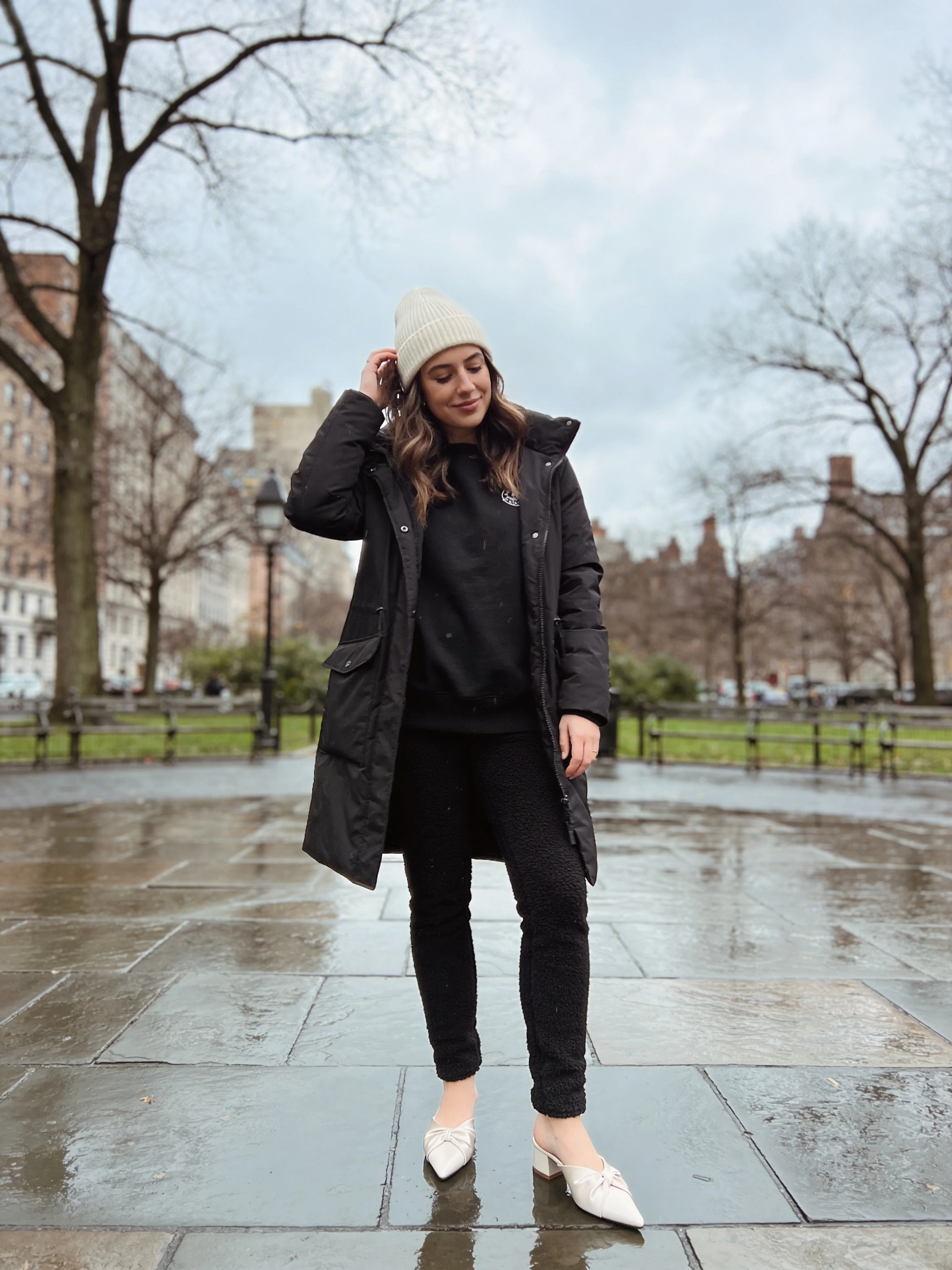
A grey cable knit with fleece-lined leggings and black mules in warmer weather is cozy without capitulating to the temperature. A knit beanie on a warm-clear day feels like a choice.

What to Wear in Cape Town
Tuesday, August 18
What to wear in Cape Town depends on the season and the famous Cape Doctor wind. Summers (December–March) bring warm dry days (75–77°F highs) ideal for light linens, breathable shirts, shorts, and strong sun protection while exploring Table Mountain or Camps Bay; winters (June–August) are cool and wet (62–63°F highs, 10–11 rain days) requiring waterproof jackets, layers, and sturdy shoes for slippery coastal paths and wine country visits.
Based on 65°F and clear sky
top / Short-Sleeve Top
classic tee
bottom / Jeans
straight-leg
chinos for a slightly smarter look
footwear / Sneakers
classic sneakers
cushioned for all-day city walking
Cape Town's Mediterranean climate delivers reliable summer sunshine and dramatic winter rains, shaped by the cold Atlantic and the ever-present wind sweeping across the peninsula. Visitors hiking the rocky trails of Table Mountain or strolling the V&A Waterfront and Camps Bay beachfront need versatile clothing that handles sudden gusts, temperature drops at elevation, and the contrast between hot days and chilly evenings. One key visitor pain point is how the strong southeasterly winds can make even 65°F days feel significantly colder on exposed beaches and mountain slopes, while the Benguela current keeps ocean water chilly year-round — a windbreaker and quick-dry layers are non-negotiable for any itinerary that includes outdoor landmarks.

A grey cable knit with fleece-lined leggings and black mules in warmer weather is cozy without capitulating to the temperature. A knit beanie on a warm-clear day feels like a choice.

At 65–74°F the mauve tie-front cropped linen shirt earns its place over ivory wide-leg linen trousers. Ivory pointed-toe mules and aviator sunglasses make the commute feel like an editorial moment.

Embrace the 65–74°F sunny weather with a breathable linen shirt, classy bermuda shorts, and espadrilles. Pair it with a class bucket bag for that summer ready look.

A white oversized button-down with ivory wide-leg linen trousers and a brown woven belt is the warm-clear uniform for someone who doesn't overthink it. Black mule heels are the one decisive choice.

A black graphic tee over biker shorts with mule heels is the warm-day sporty look that works from coffee to casual. The olive baseball cap adds a directional touch.

An ivory silk-look blouse tucked into a black pleated maxi skirt is the warm-clear formal look with evening flexibility. Espadrilles and a black mini bag make it daytime without losing the occasion feel.

A floral pleated midi skirt with a white fitted tank and black mules reads warm-day dressed-up without veering formal. A crochet bucket hat shifts the mood back to weekend.
Packing List
What to Pack for Cape Town →
Best shoes
Best shoes for Cape Town — by month →
Climate-matched walking shoes, waterproof boots, and sandals.
See typical weather and outfit ideas for Cape Town in any month of the year.
Layered, wind-resistant clothing is key: breathable cotton or linen for summer days, plus a sturdy waterproof jacket and mid-layers for winter rain and wind. Comfortable hiking shoes or boots with good grip for Table Mountain's rocky paths and beach sand. Modest cover-ups are useful for some cultural sites, and sun hats or caps are essential given the strong UV even on cooler days.
Cape Town is excellent year-round. The dry summer months (December–March) are perfect for beaches, hiking, and outdoor wine tastings with long sunny days. Winter (June–August) brings fewer crowds, lower prices, dramatic storms, and green landscapes — ideal for cozy indoor experiences, food and wine, and fewer tourists at popular spots like the waterfront.
Sturdy, comfortable walking or hiking shoes with good traction for Table Mountain's uneven rocky trails, sand on Atlantic beaches, and potentially slippery wet sidewalks in winter. Waterproof boots or shoes are helpful during the rainy season; avoid open sandals for mountain hikes due to the wind and terrain.
Daytime highs range from 62–63°F in the coolest winter month (July) to 76–77°F in peak summer (January/February), with lows from 48°F in winter to 63°F in summer. The wind makes temperatures feel cooler, especially on the coast and at elevation; rain is concentrated in winter months.
Windproof and waterproof jacket, layers (fleece or sweater), breathable shirts and trousers or shorts, sturdy hiking shoes, sun hat, sunscreen, compact umbrella, quick-dry clothing, and a light scarf for windy evenings. Pack for both warm beach days and cool, wet mountain or waterfront conditions.

Packing Calculator
How many outfits do you actually need?
Free · no sign-up needed