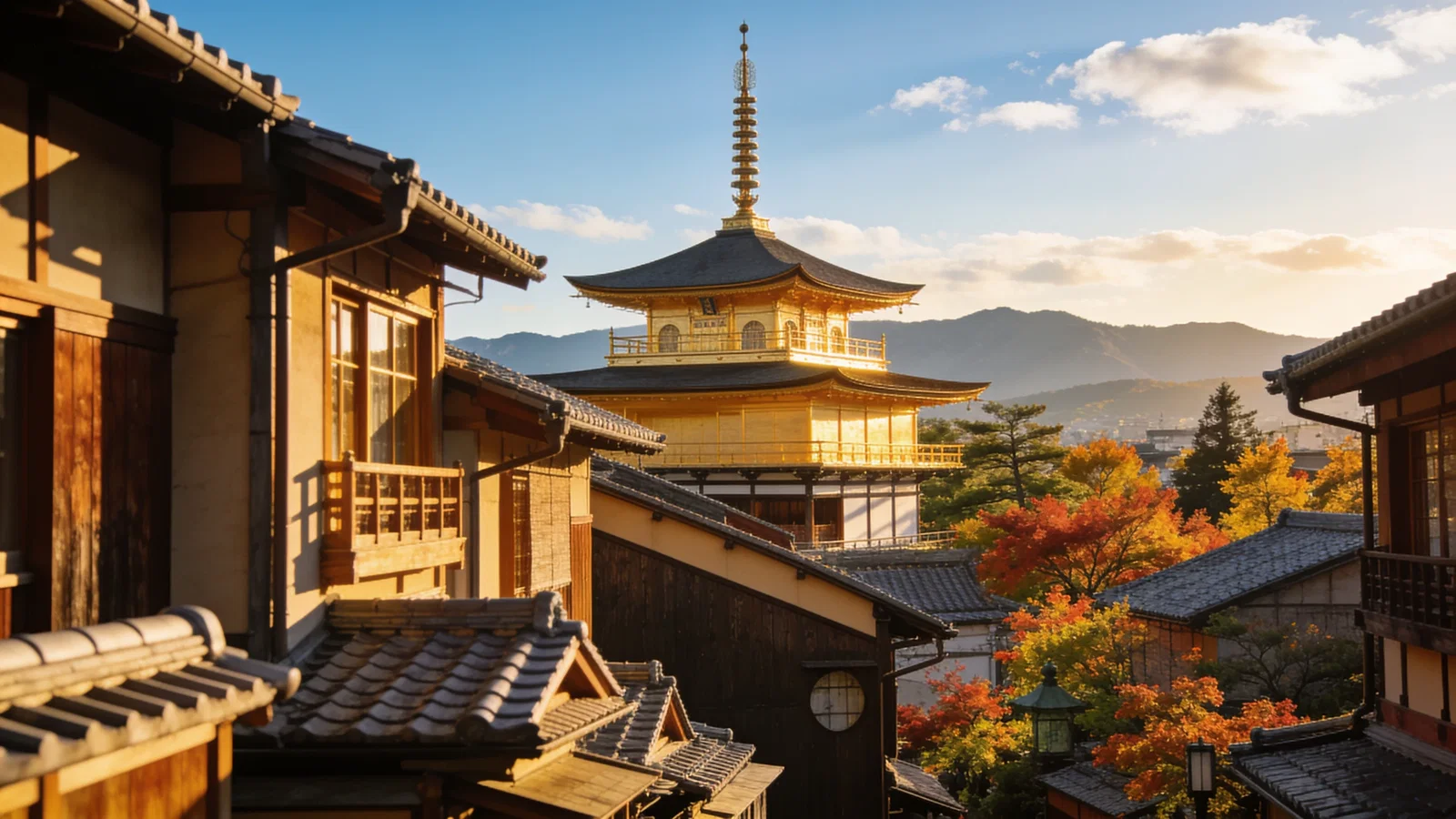
What to Wear in Kyoto
What to Wear in Kyoto
Wednesday, July 29
What to wear in Kyoto depends on a wide swing from January lows near 33°F to August highs around 91°F—pack layers that work for both shrine courtyards and city walks. Expect cool, dry winters for Gion and Kinkaku-ji, humid summers through the rainy season, and shoulder months when Fushimi Inari’s long torii climb is most comfortable. Easy slip-on shoes matter year-round for temple entries, plus a light rain layer for frequent wet days.
What to wear
Based on 90°F and drizzle

top / Tank & Cami
tank top
breathable — lets heat escape in warm weather

bottom / Shorts
denim shorts
breathable fabric for high-heat days
lightweight linen pants for more coverage

footwear / Waterproof Boots
ankle boots
rubber sole for traction — keep feet dry all day
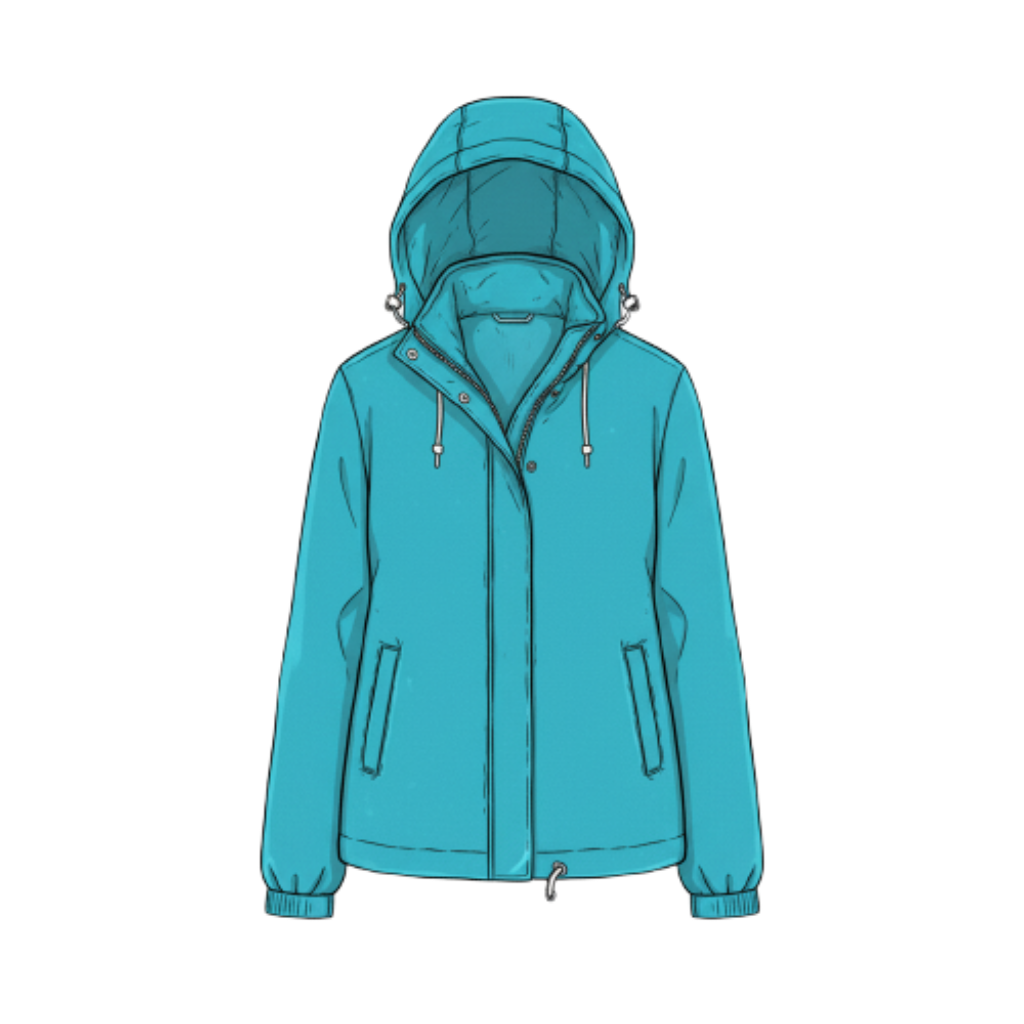
outerwear / Rain Jacket
shell jacket
lightweight
Kyoto’s climate runs cooler and more humid than many first-time visitors expect: crisp, dry cold in winter; a sharp spring warm-up around sakura; sticky baiu rains into peak summer heat; then soft autumn walking weather as koyo lights Higashiyama and Arashiyama. Daytime outfits need to flex between shaded temple grounds and open-air districts without leaving you overdressed for trains or underdressed for evening streets. Practical packing starts with modest coverage for shoulders and knees at major temples, and footwear you can slip off at Nijo Castle or Kiyomizu-dera without a struggle. Cobbled lanes in Gion punish thin soles in rain, while Fushimi Inari’s roughly 4km torii climb rewards real walking shoes. Build a capsule around breathable base layers, one warmer mid-layer, and a packable shell—then swap weights with the seasons rather than hauling a full wardrobe for every month.
Curated Looks
No outfits found for this style. Try a different filter.
Packing List
What to Pack for Kyoto →
Best shoes
Best shoes for Kyoto — by month →
Climate-matched walking shoes, waterproof boots, and sandals.
Plan Ahead by Month
See typical weather and outfit ideas for Kyoto in any month of the year.
Frequently Asked Questions
What should I wear in Kyoto?+
Dress for the season but always keep temple etiquette and walking in mind. In cooler months, think merino or cotton base layers, a sweater or light coat, and closed shoes you can remove quickly; in warmer months, breathable dresses or separates that cover shoulders and knees when needed, plus a light cardigan for air-conditioned spaces. A compact rain shell earns its place most of the year, and dark or mid-tone bottoms hide dust from gravel shrine paths better than pure white.
Is Kyoto a good time to visit year-round?+
Yes—each season has a clear payoff if you pack for it. Spring and autumn deliver the mildest walking weather and the famous sakura and koyo crowds; winter is quieter and ideal for indoor museums and illuminated gardens if you layer for 30s–50s°F days; summer is hot and humid with rainy-season stretch from June into July, so early starts and moisture-wicking clothes make the difference. Choose dates for the landscape you want, not a mythical “perfect” month.
What shoes should I bring to Kyoto?+
Bring supportive walking shoes with decent tread and at least one pair that slips on and off easily for temple and ryokan floors. Cobblestones in Gion and the long climb through Fushimi Inari’s torii gates punish flimsy fashion sneakers; waterproof or quick-dry options help on the many rainy days. Avoid brand-new boots that blister mid-district, and skip sky-high heels if you plan full days between Kiyomizu-dera, the Philosopher’s Path, and Nishiki Market.
How cold or hot does Kyoto get through the year?+
Kyoto’s year spans roughly January lows near 33°F to August highs around 91°F, with humid summers feeling warmer than the thermometer and dry winter interiors often overheated relative to the street. Spring and autumn sit in a comfortable middle for all-day temple walking, while June–July bring frequent rain and August peaks heat and humidity. Always check the specific month’s high and low when finalizing your packing list.
What should I pack for Kyoto?+
Pack a modular capsule: breathable tops, one or two modest bottom options for temples, a mid-layer, a packable rain shell, easy-off walking shoes, and socks you won’t mind removing often. Add a scarf or light cardigan for bare shoulders, a compact umbrella or hood, and hair care for humidity if you’re visiting in summer. Leave room for a thin warmer coat in winter and skip bulky “just in case” pieces that never leave the ryokan.
Packing Calculator
How many outfits do you actually need?
Free · no sign-up needed