ForecastStyle
Melbourne

What to Wear in Melbourne

Tuesday, June 9

62°F / 47°FDrizzle26% rain14 mph wind
/

Melbourne's temperate oceanic climate with its famous 'four seasons in one day' variability demands a layering strategy more than any fixed seasonal kit — summer heatwaves above 40°C at St Kilda Beach and the MCG can reverse to 60°F cool-change evenings within hours, while winter's persistent rain and Southerly wind along the Yarra River requires serious waterproof outerwear from May through August. The city's fashion-forward culture (Australian Fashion Week is hosted here) rewards quality, versatile pieces over single-purpose ones: a good trench coat, leather ankle boots, and packable layers serve both the weather and Melbourne's elevated café-culture aesthetic across every season.

What to wear

Based on 62°F and drizzle

fitted long-sleeve

top / Long-Sleeve Top

fitted long-sleeve

lightweight layer for mild temps

straight-leg

bottom / Jeans

straight-leg

chinos for a slightly smarter look

classic sneakers

footwear / Sneakers

classic sneakers

cushioned for all-day city walking

Melbourne's climate is uniquely challenging to pack for — not because of extreme cold or heat, but because of the city's legendary weather variability that can deliver all four seasons within a single day, particularly in spring and summer. A morning visit to the Royal Botanic Gardens in a light jacket can become a scorching afternoon at the MCG and then a cold, rainy evening at a Southbank rooftop bar, all in the same day. The practical implication: layers that can be added or removed, a compact umbrella always in the bag, and a windproof outer layer for the Southerly Buster cool-change fronts that arrive off Port Phillip Bay without warning. Beyond weather management, Melbourne rewards dressing with intention — the city's laneways (Hosier Lane, Degraves Street), inner-suburb café culture (Fitzroy, Collingwood, Northcote), and rooftop bar scene have a style expectation that elevates Melbourne above most Australian city dress codes. Quality footwear and a well-chosen coat are the two investments that consistently pay off: comfortable enough for 8–10 miles of walking on bluestone cobblestones and Yarra River paths, stylish enough for the city's lunch-to-lantern hours social circuit.

Curated Looks

Sporty
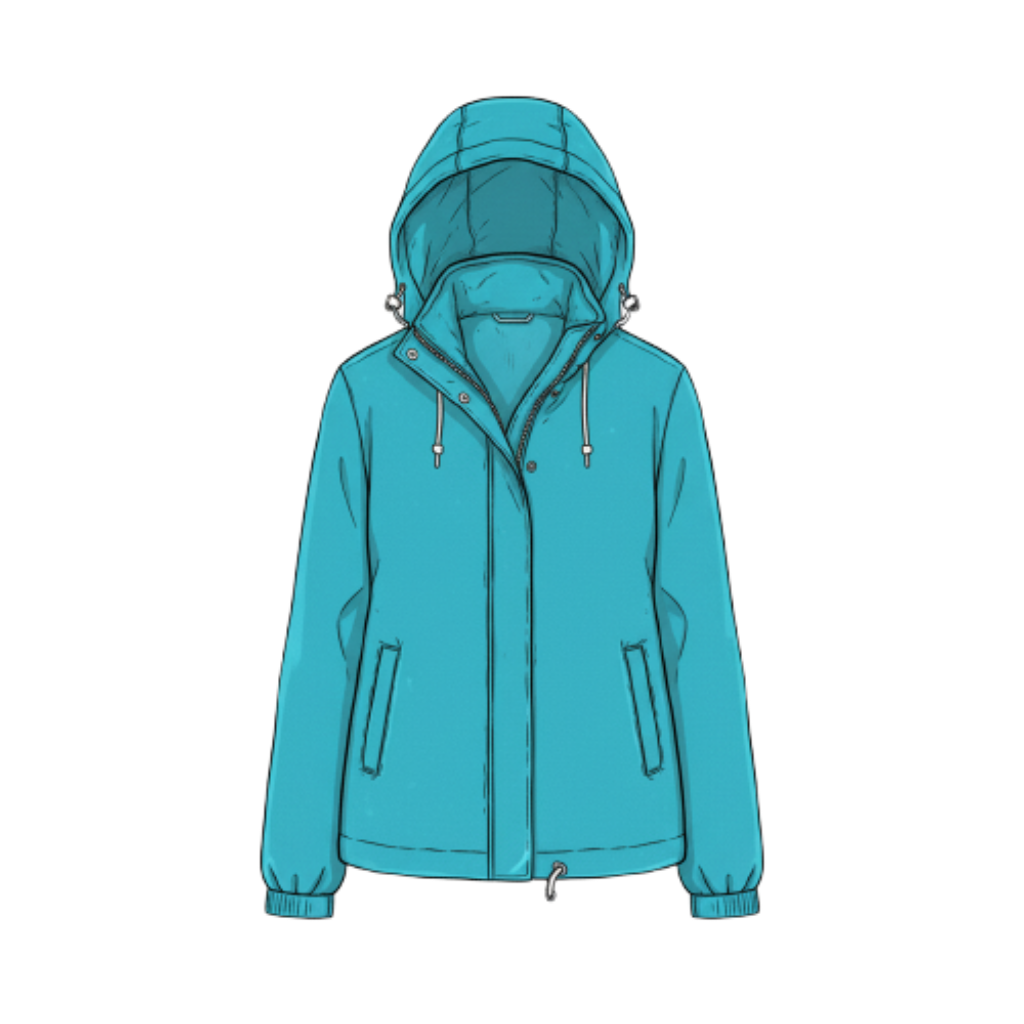
Cargo Rain Jacket

Cargo Rain Jacket

A black rain jacket over an oversized graphic tee and olive cargo trousers handles mild rain practically. White lace-up booties finish the look with enough contrast to lift the palette.

Formal
Grey Coat Wide-Leg

Grey Coat Wide-Leg

A grey longline coat over an ivory blouse and black wide-leg trousers handles mild rain without losing formal intent. Black Chelsea boots and a mini bag keep it focused.

Cozy
Parka Cable Knit Mules

Parka Cable Knit Mules

A black longline parka over a cable knit sweater in mild rain keeps warmth without overdressing. Black mule heels under leggings are an unexpected and intentional detail.

Business Casual
Navy Trench and Shorts

Navy Trench and Shorts

A navy trench coat over khaki bermuda shorts and a blue linen blouse works between seasons on a mild rainy day. Black pointed-toe heels sharpen what could easily be too casual.

Chic
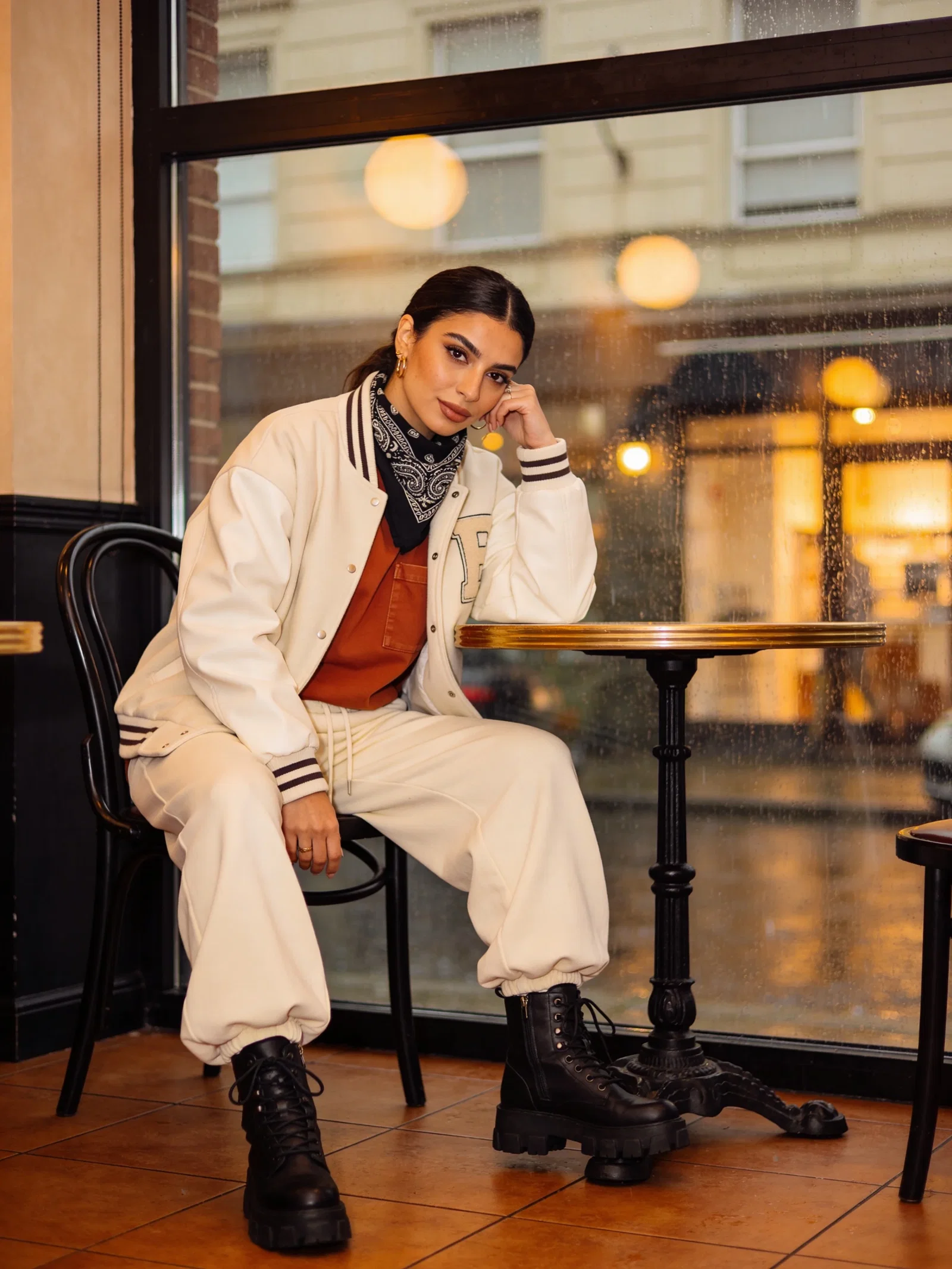
Cream Puffer Wide-Leg

Cream Puffer Wide-Leg

A cream oversized puffer over a navy striped cardigan and wide-leg ivory linen trousers handles mild rain with a considered mix of textures. Black ballet flats are the restrained finish.

Casual
Olive Anorak Trousers

Olive Anorak Trousers

An olive anorak handles mild rain without abandoning the polish of wide-leg navy trousers underneath. The crossbody stays tucked and close.

Cute
Blush Jacket Knit Skirt

Blush Jacket Knit Skirt

A blush cropped jacket over a grey cardigan and black sweater mini skirt handles mild rain with charm. A black bucket bag and ankle boots keep the proportions balanced.

Packing List

What to Pack for Melbourne

Plan Ahead by Month

See typical weather and outfit ideas for Melbourne in any month of the year.

Frequently Asked Questions

What should I wear in Melbourne?+

Packing for Melbourne requires season-appropriate layers with year-round variability management. Summer (December–February): light breathable fabrics and a thin jacket for the dramatic cool changes; sun protection is non-negotiable with Melbourne's extreme UV. Winter (June–August): heavyweight coat, thermal layers, and waterproof boots for the persistent rain and Southerly wind along the Yarra River. Spring and autumn: transitional layers with a water-resistant outer shell. Year-round constant: a compact umbrella, comfortable walking shoes for extensive laneway and parkland exploration, and at least one quality layer that fits Melbourne's elevated style culture.

Is Melbourne a good city to visit?+

Melbourne is consistently rated one of the world's most livable cities and a top travel destination — its food culture (the CBD's laneway café scene, Fitzroy and Collingwood's restaurant concentration, and the Queen Victoria Market) is world-class; its arts and music scene rivals any global city; and its combination of Victorian architecture, Yarra River parklands, and beach access at St Kilda makes it visually distinctive. The weather variability is the main visitor challenge, but Melbourne's infrastructure — covered laneways, excellent public transport, abundant heated indoor venues — is specifically designed around it.

What shoes should I wear in Melbourne?+

Comfortable walking shoes or leather ankle boots are the single most important Melbourne footwear investment across all seasons. The city's bluestone laneway cobblestones, Yarra River riverside paths, Royal Botanic Gardens grounds, and the hill streets of Fitzroy and Carlton demand supportive, non-slip soles. In summer, light leather sandals or canvas sneakers; in winter, waterproof insulated leather boots; in transition months, waterproof leather ankle boots that handle both rain and the city's style culture in Degraves Street and Flinders Lane.

How is Melbourne's climate?+

Melbourne has a temperate oceanic (Cfb) climate with mild summers, cool winters, and rain distributed fairly evenly across the year with a slight winter peak. The defining characteristic is variability — the city holds the world record for most days in a year with a temperature change above 20°C (36°F) within 24 hours. Summers (December–February) average 75–79°F highs but can spike to 40°C+; winters (June–August) average 52–54°F highs with persistent rain and Southerly wind from Port Phillip Bay. Spring and autumn are transitional and unpredictable.

What should I pack for Melbourne?+

Year-round Melbourne essentials: compact umbrella, comfortable walking shoes, layerable mid-weight pieces that work across the variable temperatures, and a windproof outer layer for the Southerly cool changes. Season-specific additions — summer: SPF 50+, wide-brim hat, UV sunglasses, thin windproof jacket; winter: heavyweight coat, thermal layers, waterproof insulated boots, scarf and gloves; spring/autumn: water-resistant medium jacket, versatile footwear. One quality outer layer that handles both rain and Melbourne's fashion-forward café culture is the best single packing investment.
More Cities