Cozy
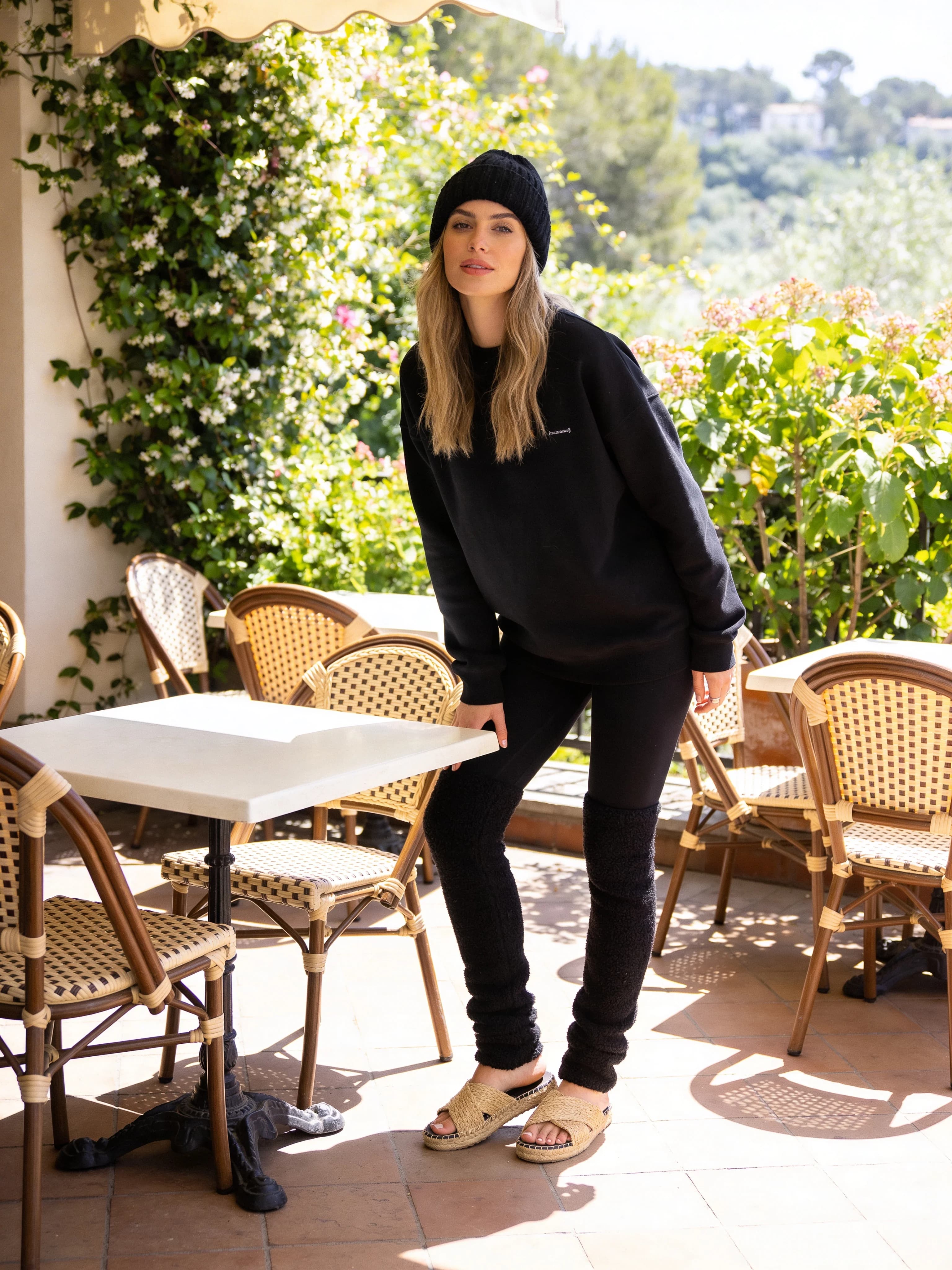
Crewneck and Espadrilles
A black crewneck and fleece leggings with espadrilles in the heat is the statement of someone who runs cold. The knit beanie seals the commitment.
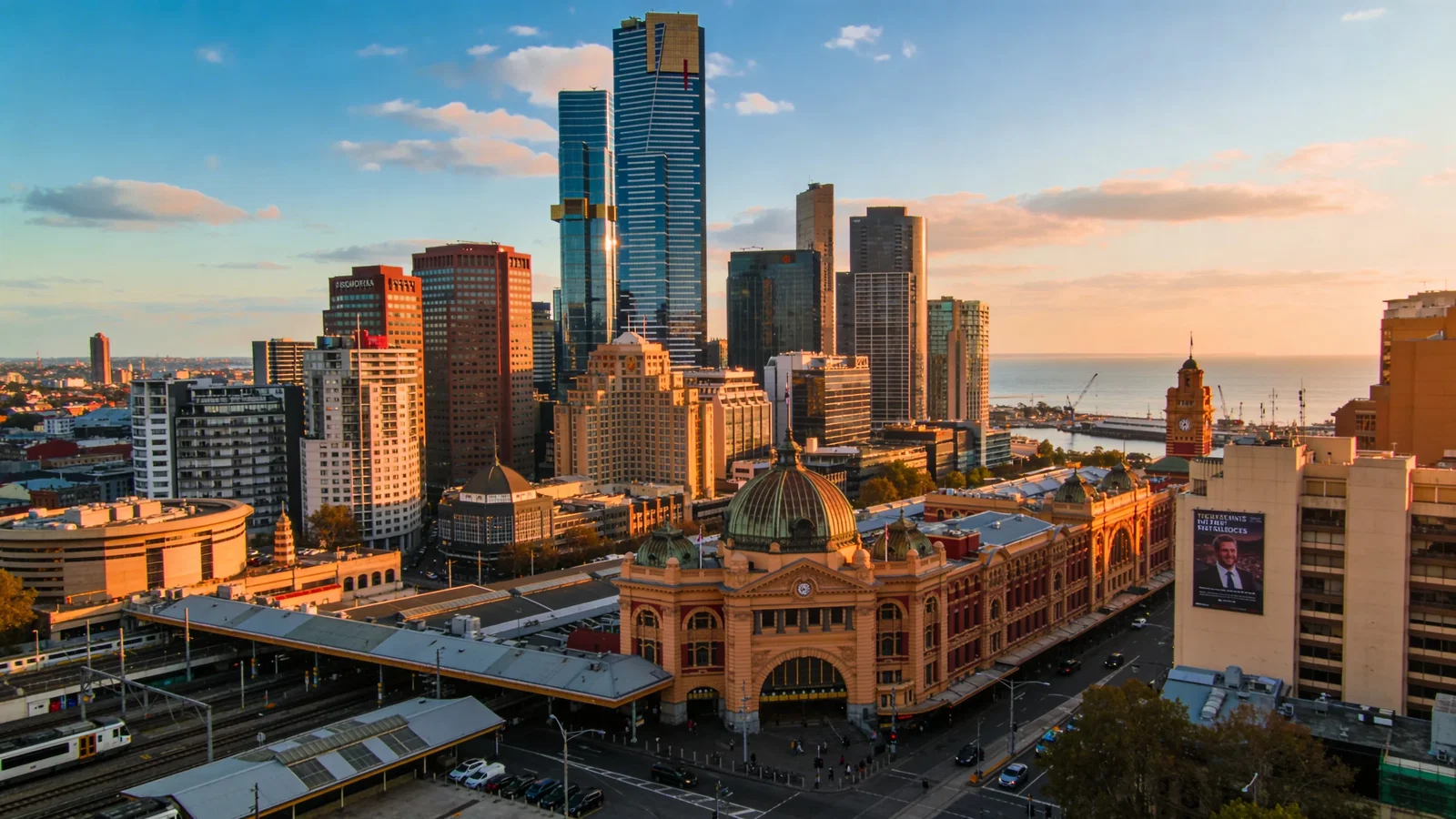
What to wear in Melbourne in January? With average highs of 79°F and lows of 59°F, January is Melbourne's hottest month — and its most weather-volatile, with summer heatwaves pushing temperatures above 40°C at the MCG and St Kilda Beach regularly followed by dramatic cool-change fronts that drop 30°F in hours. Light, breathable layers that handle both the heat and a sudden cool evening are the Melbourne January standard. About 8 rain days come as brief thunderstorms, so a compact umbrella is always worth having.
Also packing for this trip?
Full January packing list for Melbourne →
Checklist of clothes, shoes, and gear — separate from these outfit ideas.
Compare prices across top booking sites for Jan 1–4.
Powered by Hotellook · prices from Booking.com, Agoda, and more

top / Short-Sleeve Top
classic tee

bottom / Jeans
straight-leg
chinos for a slightly smarter look

footwear / Sneakers
white sneakers
cushioned for all-day city walking
Based on typical January conditions in Melbourne. Weather varies year to year — check the live forecast when you're within two weeks of your trip.
January in Melbourne is summer at its most intense and unpredictable — the city's famous 'four seasons in one day' character reaches its peak, with scorching heat waves that can top 40°C at the MCG and cricket grounds followed within hours by cool frontal systems that drop temperatures dramatically. St Kilda Beach is at its most popular, but the exposed foreshore is also where Melbourne's sudden Southerly Buster wind changes hit hardest, turning a sunny beach afternoon into a cold, blustery evening with startling speed. Melbourne's style culture adapts to January's volatility with lightweight, layerable pieces — breathable linen and cotton shirts, tailored shorts, and a slim cardigan or light jacket tucked into the bag for the inevitable cool change. The city's laneway café culture and rooftop bar scene remain fully active in January, rewarding smart-casual dressing alongside the heat-practical summer wardrobe.
A black crewneck and fleece leggings with espadrilles in the heat is the statement of someone who runs cold. The knit beanie seals the commitment.
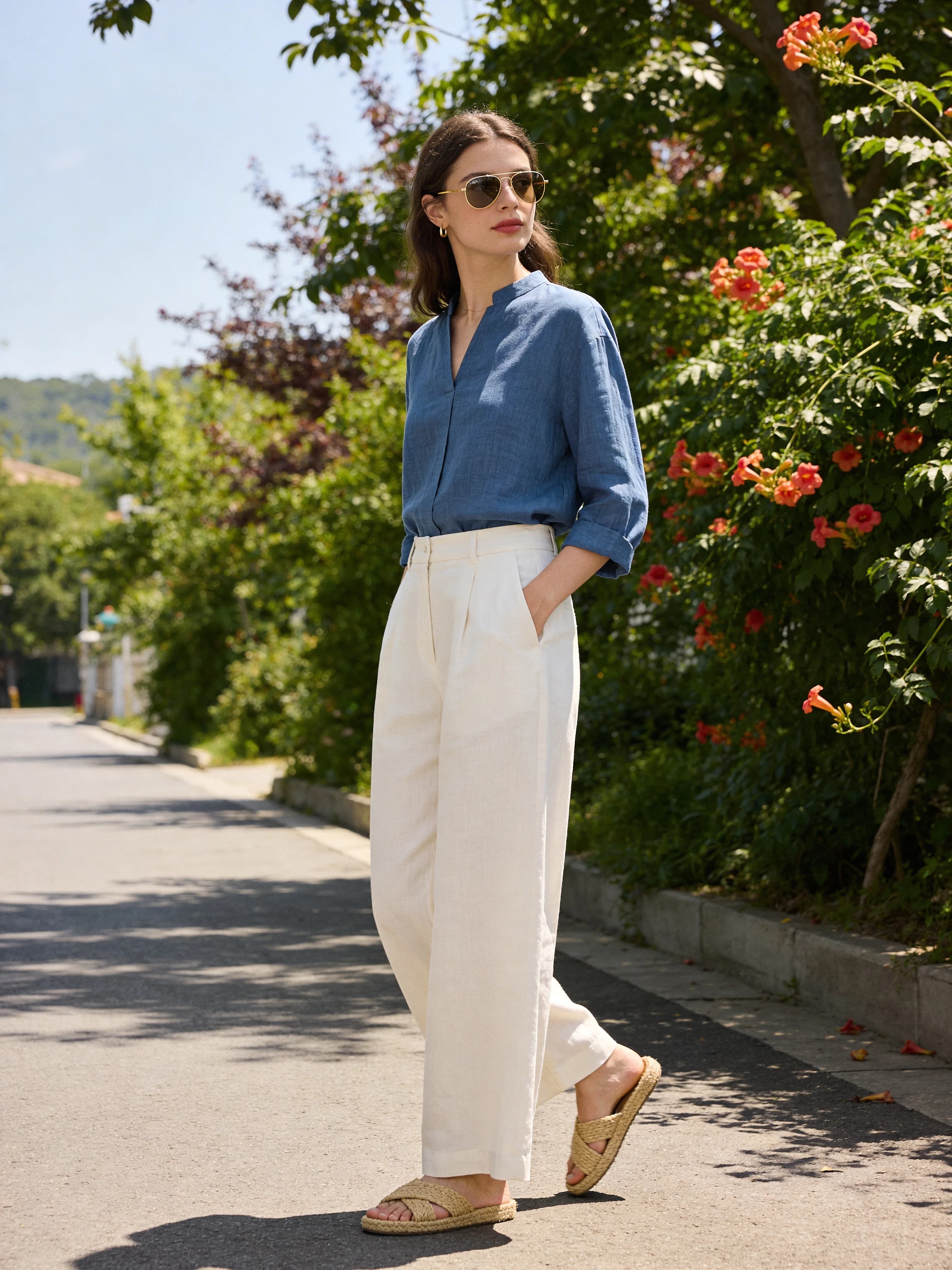
A blue linen collarless blouse over ivory wide-leg linen trousers in the heat is understated and intentional. Gold-frame aviators are the only thing needed to complete the picture.
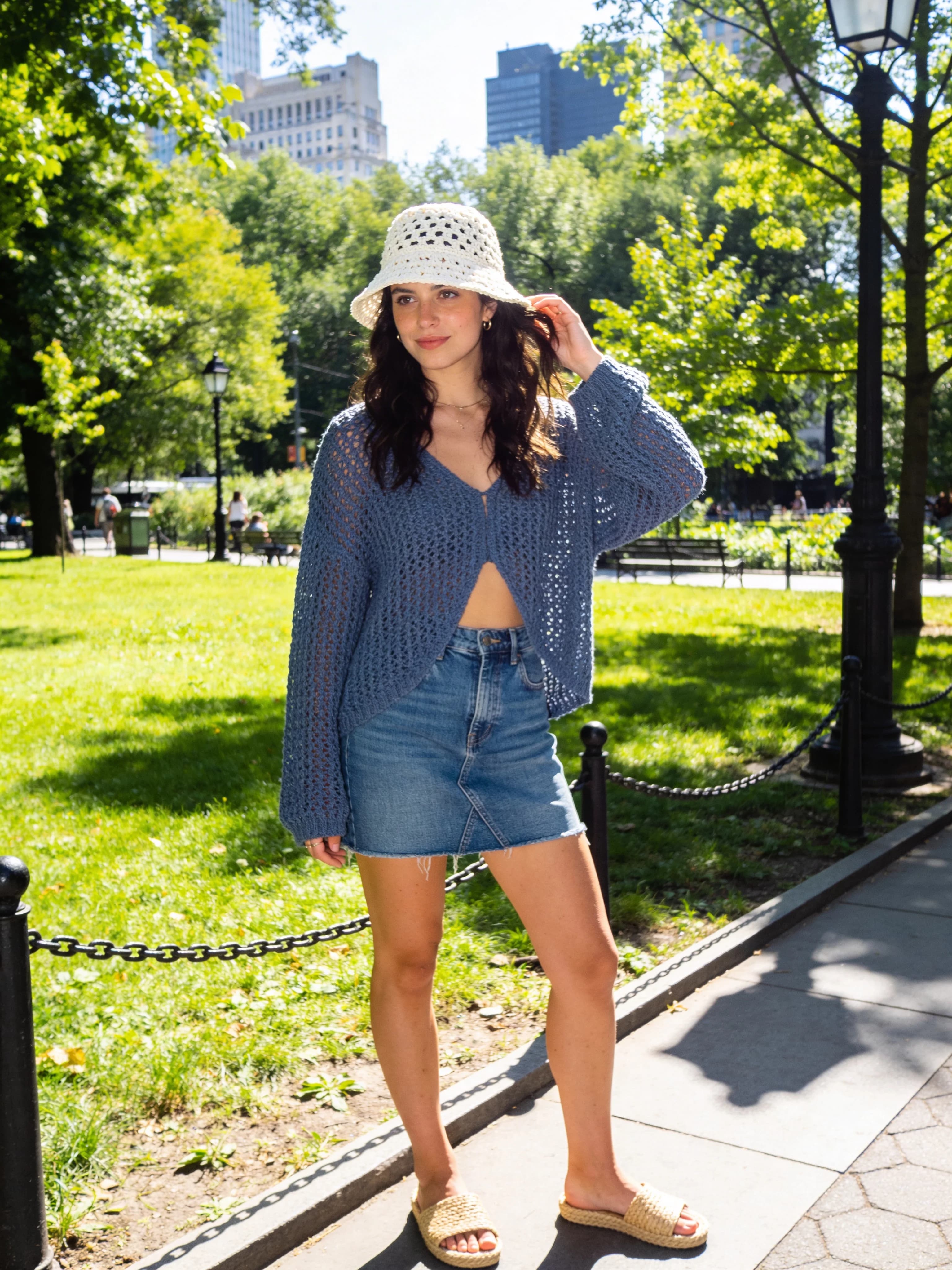
A dusty blue open-knit sweater worn loose over a denim mini skirt is the easy hot-day look. Espadrilles and a crochet hat keep it relaxed and summery.
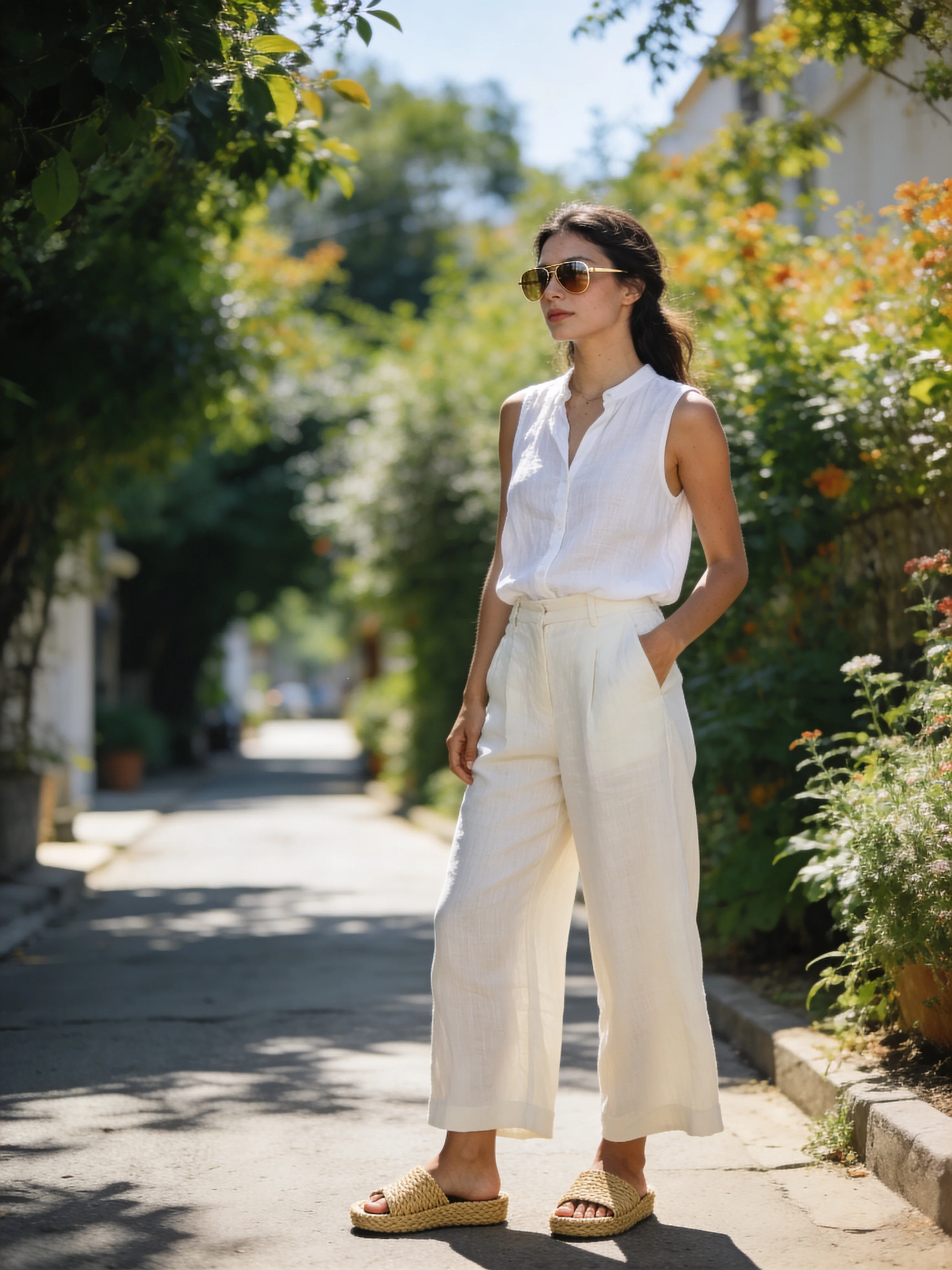
A white linen sleeveless blouse tucked into cream wide-leg linen trousers is the clean hot-weather business-casual answer. Espadrilles and gold aviators are all the styling it needs.
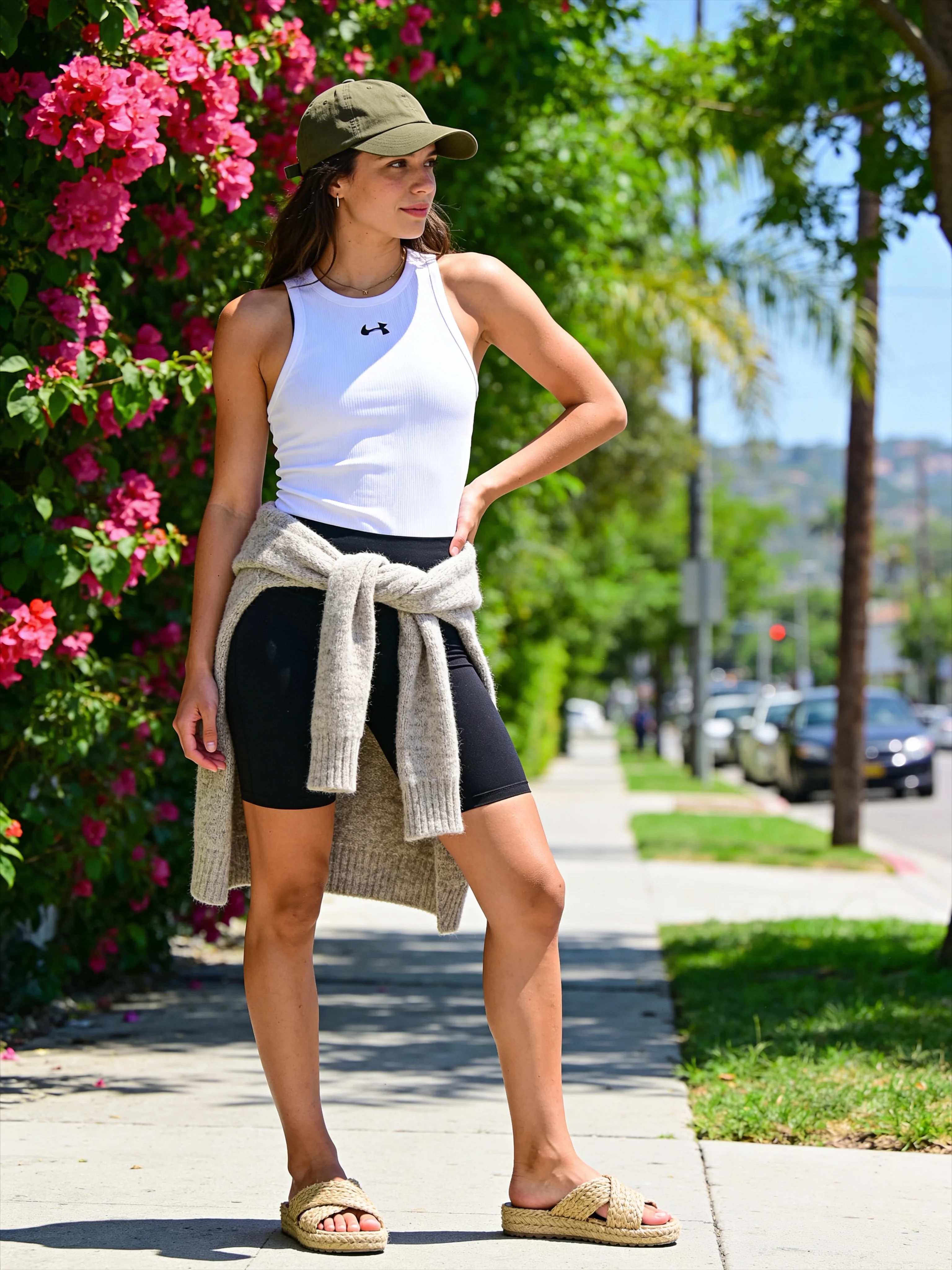
A white athletic tank with black biker shorts and espadrilles is the clean hot-day sporty look. An olive baseball cap is the functional accessory that pulls the palette.
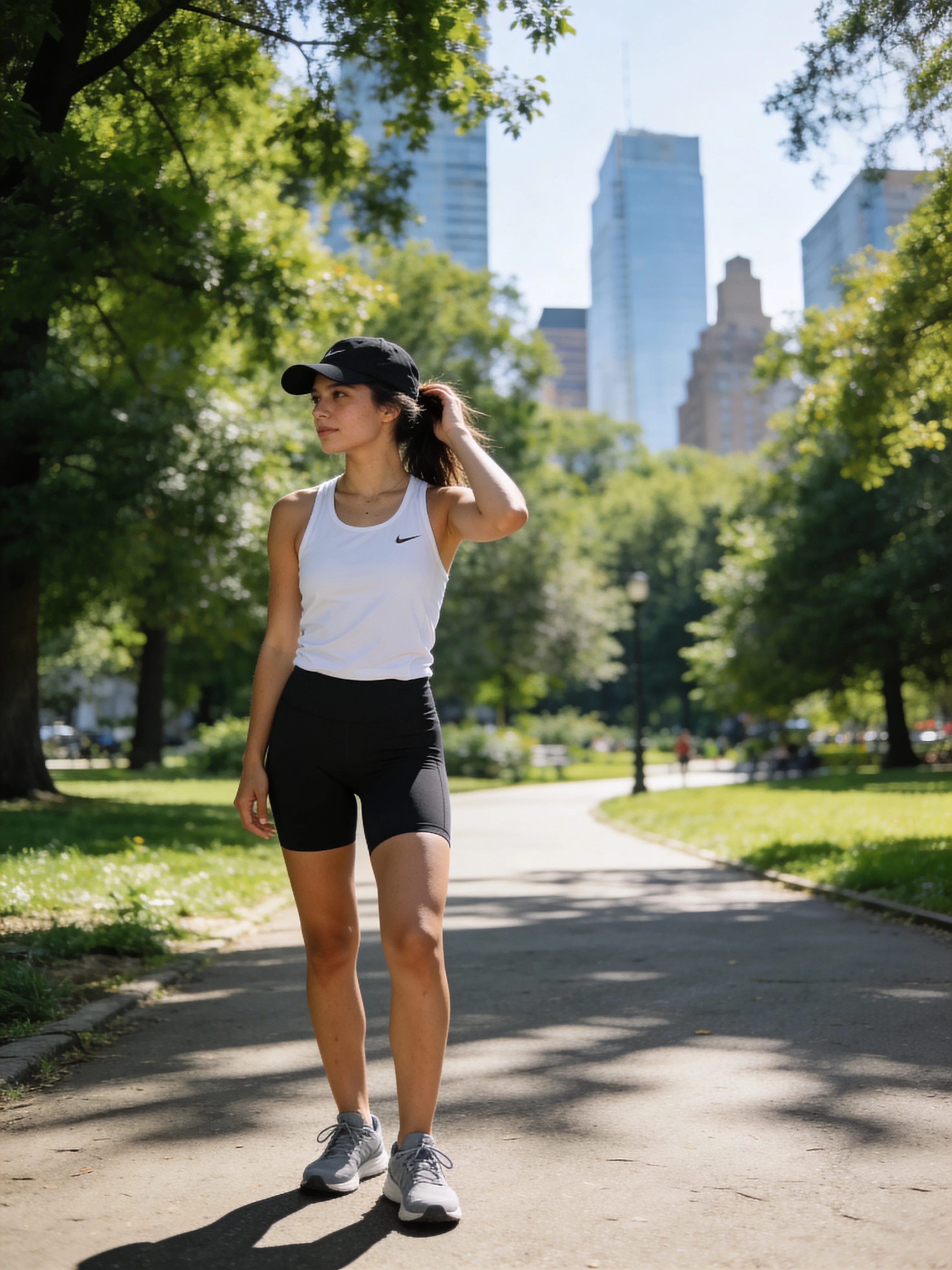
A white sleeveless athletic tank keeps things breathable at 80°F with black biker shorts holding the athletic silhouette. The baseball cap handles the sun.
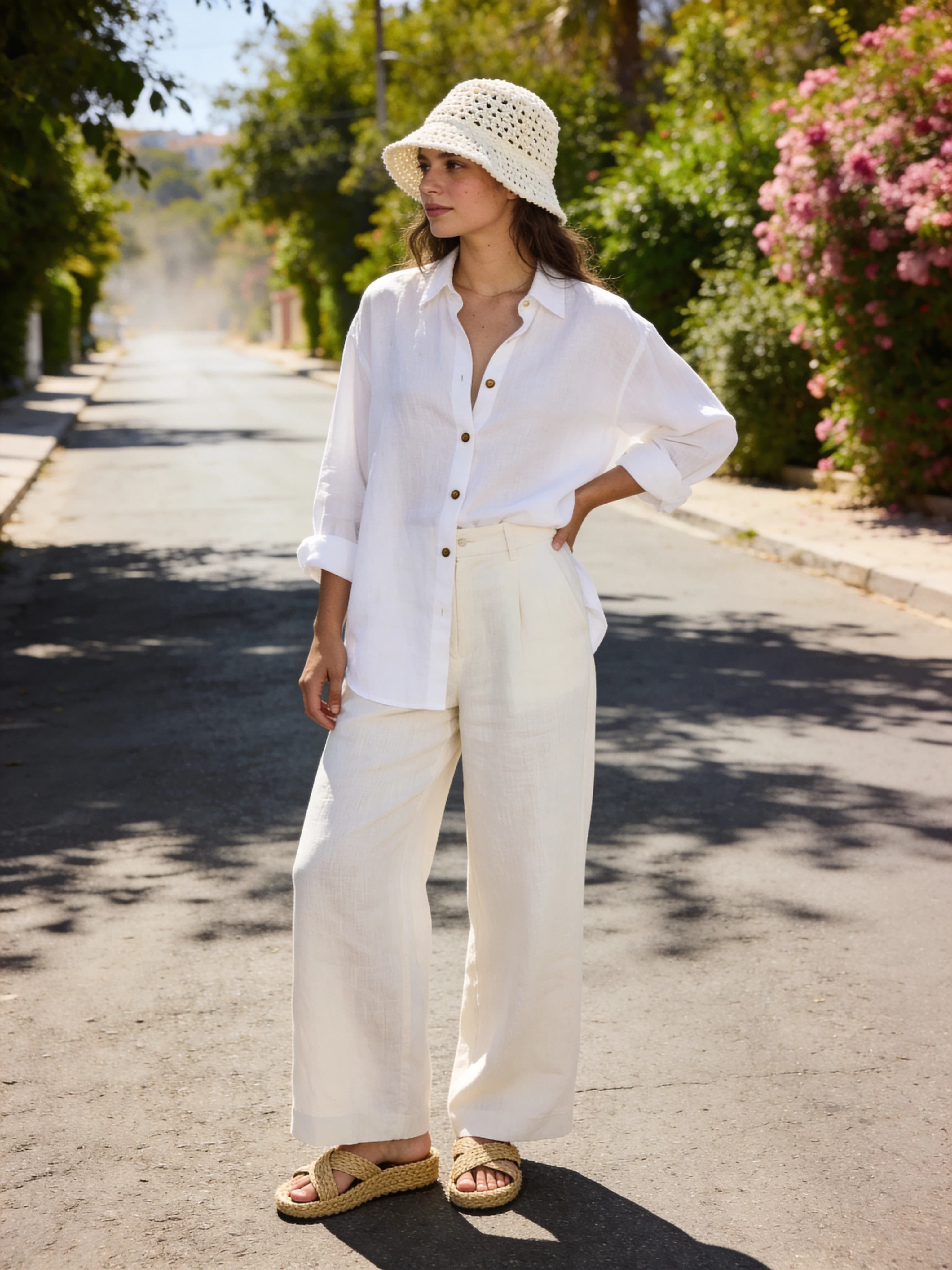
A white oversized button-down with ivory wide-leg linen trousers is the understated hot-day summer uniform. Espadrilles and a crochet bucket hat finish it without effort.
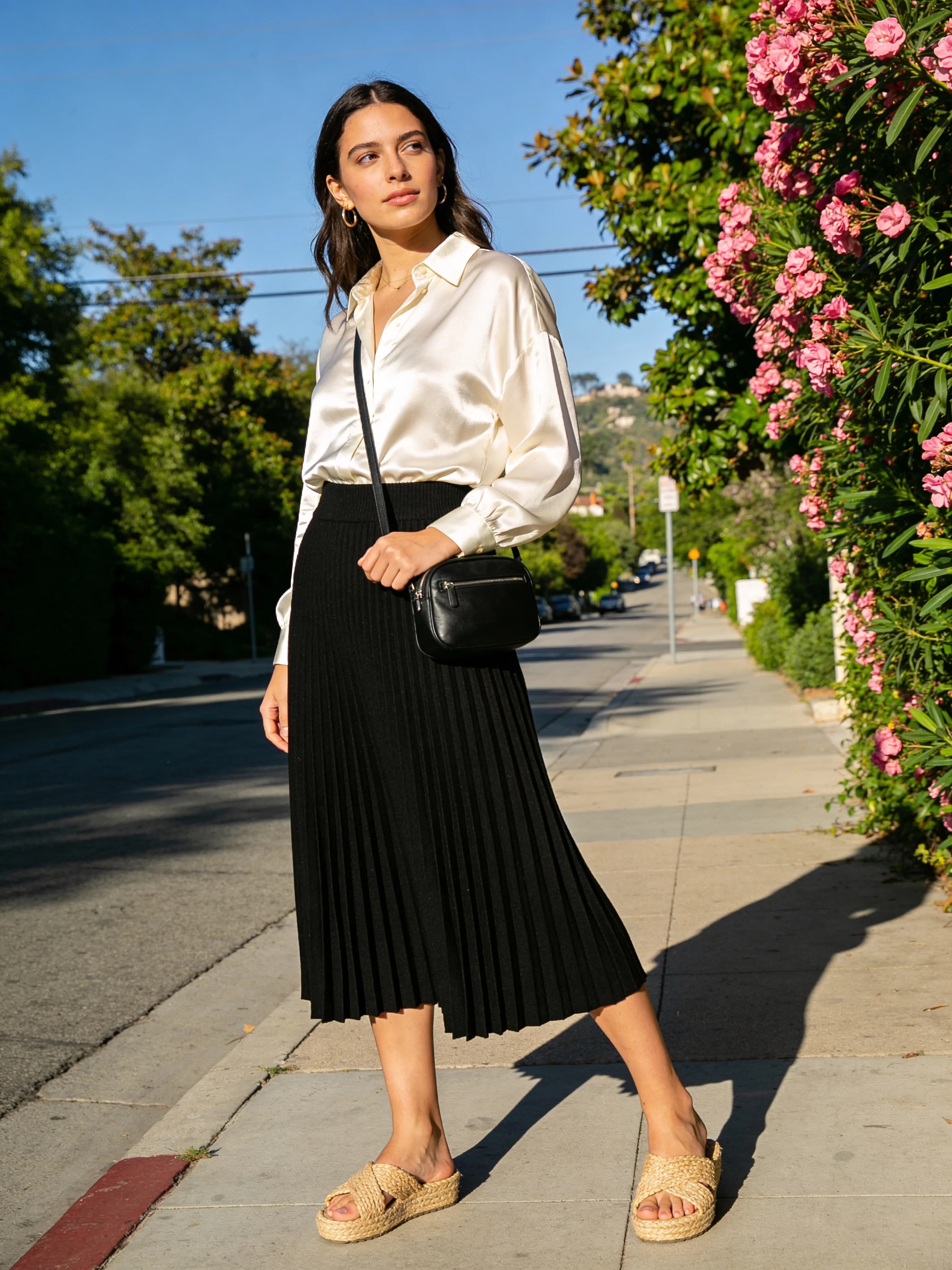
An ivory silk-look blouse and black pleated maxi skirt in the heat is the formal look that earns its occasion without adding weight. Espadrilles keep it grounded in the season.
Dress in light, breathable summer layers: linen or cotton shirts, shorts or lightweight trousers, and comfortable sandals or clean sneakers. Melbourne's January heat can hit 40°C+ at the MCG and Fitzroy Gardens, making natural fibres significantly more comfortable than synthetics. Always carry a thin jacket or cardigan — the famous cool change arrives without warning and can drop temperatures by 15–20°C, making a light layer the difference between a comfortable evening at a St Kilda rooftop bar and a shivering one.
January is vibrant but weather-demanding in Melbourne — it's the Australian Open tennis month, bringing a festive energy to the CBD and Melbourne Park, and St Kilda and the Yarra River precinct are at peak summer activity. The main challenge is the extreme heat waves (40°C+ possible) and their dramatic reversals. If you can handle weather volatility with a smart packing strategy, January offers Melbourne at its most socially lively.
Comfortable, breathable shoes — sandals, light sneakers, or canvas slip-ons — work well for Melbourne's summer warmth. The city's laneway culture means extensive walking on bluestone cobblestones, so support matters even in casual summer footwear. Keep a more enclosed pair available for the 8 likely rain days, which can arrive as short but heavy thunderstorms near the Yarra River and Royal Botanic Gardens.
January averages a high of 79°F (26°C) and a low of 59°F (15°C), but averages dramatically understate the reality — Melbourne's January heatwaves regularly push temperatures to 40–42°C (104–108°F), and the city holds records for multi-day extreme heat events. A 'cool change' front can then drop temperatures by 15–20°C within a few hours. Eight rain days usually come as brief afternoon or evening thunderstorms rather than sustained rain.
Pack light summer layers: breathable linen or cotton shirts, shorts and lightweight trousers, sandals or canvas shoes, and a compact umbrella for the 8 rain days. Critically, add a thin jacket or cardigan for Melbourne's famous cool changes — the temperature drop can be sudden and dramatic at St Kilda Beach and the Yarra waterfront. Sun protection (SPF 50+, a wide-brim hat, UV sunglasses) is non-negotiable: Melbourne's UV index in January is among the highest in the world due to ozone layer conditions over southern Australia.
Packing tools
Free calculators — city and month pre-filled when we know them. No account required. Start with how many outfits, sudoku packing, or bag fees.
Trip
Planning a trip to one city?
One city → typical weather for your month, packing counts that fit your bags, and email your plan.
Outfits
How many outfits for this trip?
Trip length, bag size, and climate → exact tops, bottoms, layers, and outfit combinations.
Jacket
Not sure about a jacket?
City + month → base / mid / shell stack and pack-or-skip verdicts for rain jacket, coat, and thermals.
Shoes
Shoes for this climate?
Climate, activities, and bag size → pair count, primary/backup types, and climate-matched picks.
Bags
Will this trip cost bag fees?
Airline + fare bucket + bags you plan to bring → fit verdicts and typical carry-on / checked fee ranges.
Capsule
Try sudoku packing for this climate?
City + month → climate-ready 3 tops / 3 bottoms / 3 layers you can edit — up to 27 mix-and-match outfits.