ForecastStyle
Milwaukee

What to Wear in Milwaukee in January

January in Milwaukee is the coldest month, averaging 14–28°F with about 11 days of precipitation — primarily lake-effect and frontal snow — and Lake Michigan wind that drives wind chills to -15°F or below on the worst days. A parka rated for extreme cold, insulated waterproof boots, and full face coverage are the non-negotiable January kit for the Historic Third Ward, the Riverwalk, and the lakefront at Bradford Beach. The Milwaukee Art Museum's outdoor approach and the lakefront are particularly exposed to the lake wind.

What to wear

long-sleeve thermal

top / Thermal Top

long-sleeve thermal

moisture-wicking base layer — keeps cold air off skin

straight-leg

bottom / Jeans

straight-leg

chinos for a slightly smarter look

ankle boots

footwear / Waterproof Boots

ankle boots

rubber sole for traction — keep feet dry all day

puffer coat

outerwear / Heavy Coat

puffer coat

insulated for sub-freezing temps

crew neck

top / Sweater

crew neck

for chilly mornings or heavy AC

fleece zip-up if it gets colder

Consider bringing:
BeanieGlovesScarf

Based on typical January conditions in Milwaukee. Weather varies year to year — check the live forecast when you're within two weeks of your trip.

Milwaukee's January earns its reputation as one of the coldest large cities in the US — 14°F overnight lows, highs that barely reach 28°F, and Lake Michigan wind that generates wind chills approaching -20°F or below during the strongest arctic events. Lake-effect snow off Lake Michigan adds significant snowfall on top of frontal systems, producing deep accumulation that can strand city blocks and turns the Historic Third Ward's brick streets and the Riverwalk into obstacle courses between plowings. About 11 days bring precipitation, predominantly as lake-effect snow. Milwaukee's Midwest practical-sturdy style tendency reaches its absolute maximum in January — the heaviest parkas, the most insulated boots, and complete face coverage are the standard for anyone spending time outdoors. The Milwaukee Art Museum's dramatic Calatrava building, the Public Market at the Third Ward, and the city's extraordinary density of breweries provide excellent indoor warmth. Locals are philosophical about the cold; the January festival season (Ice Fishing Jamboree at Lake Country) shows a city that embraces rather than retreats from its winter identity.

Curated Looks

Chic
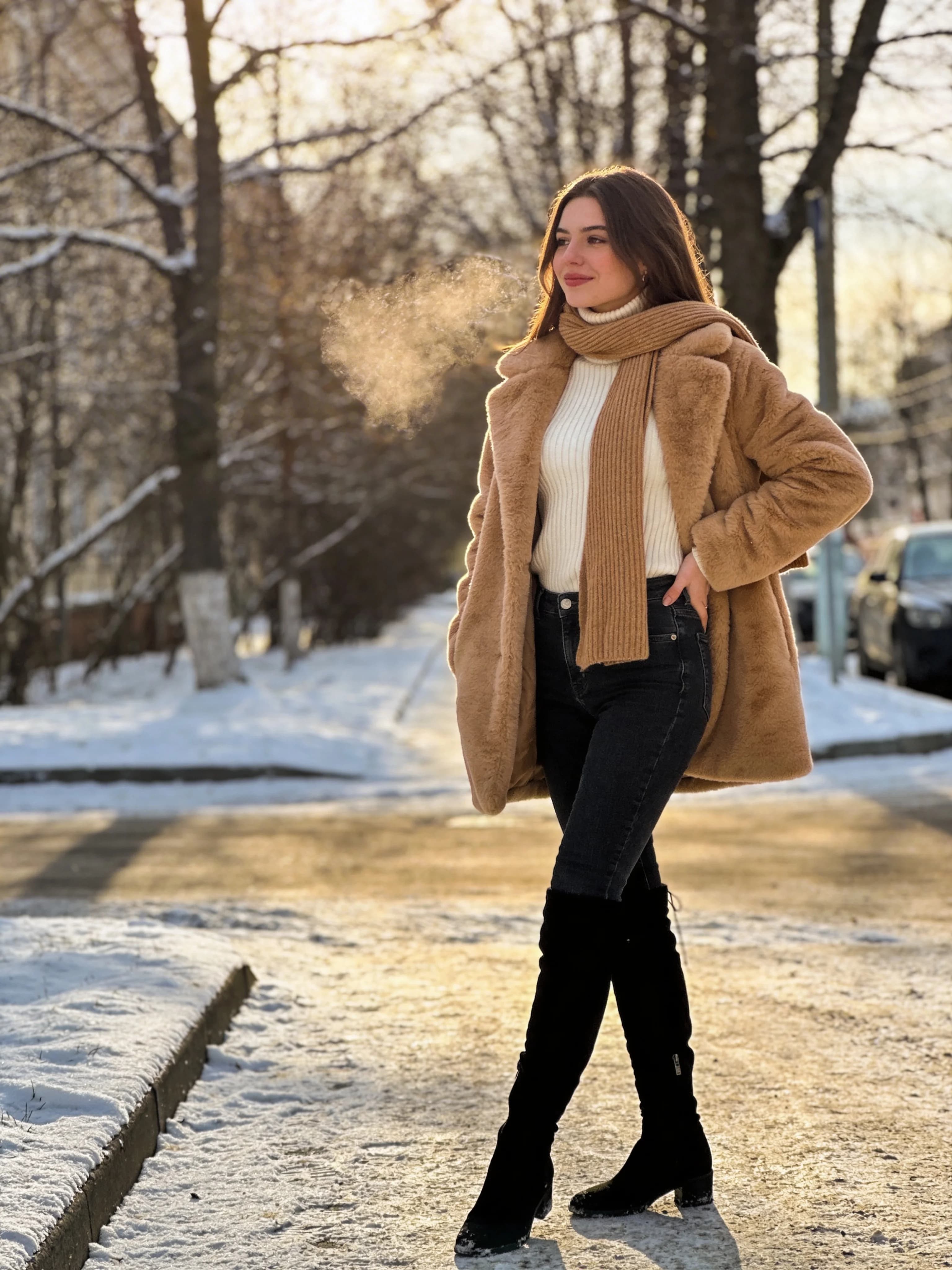
Camel & Ivory Snow Day

Camel & Ivory Snow Day

A polished cold-weather look built around a statement camel faux fur coat layered over a rich ivory ribbed turtleneck and slim dark indigo jeans. Black knee-high boots keep out the chill while adding sleek structure, and a camel wool scarf ties the earthy palette together effortlessly.

Business Casual
Camel Coat Snow Commute

Camel Coat Snow Commute

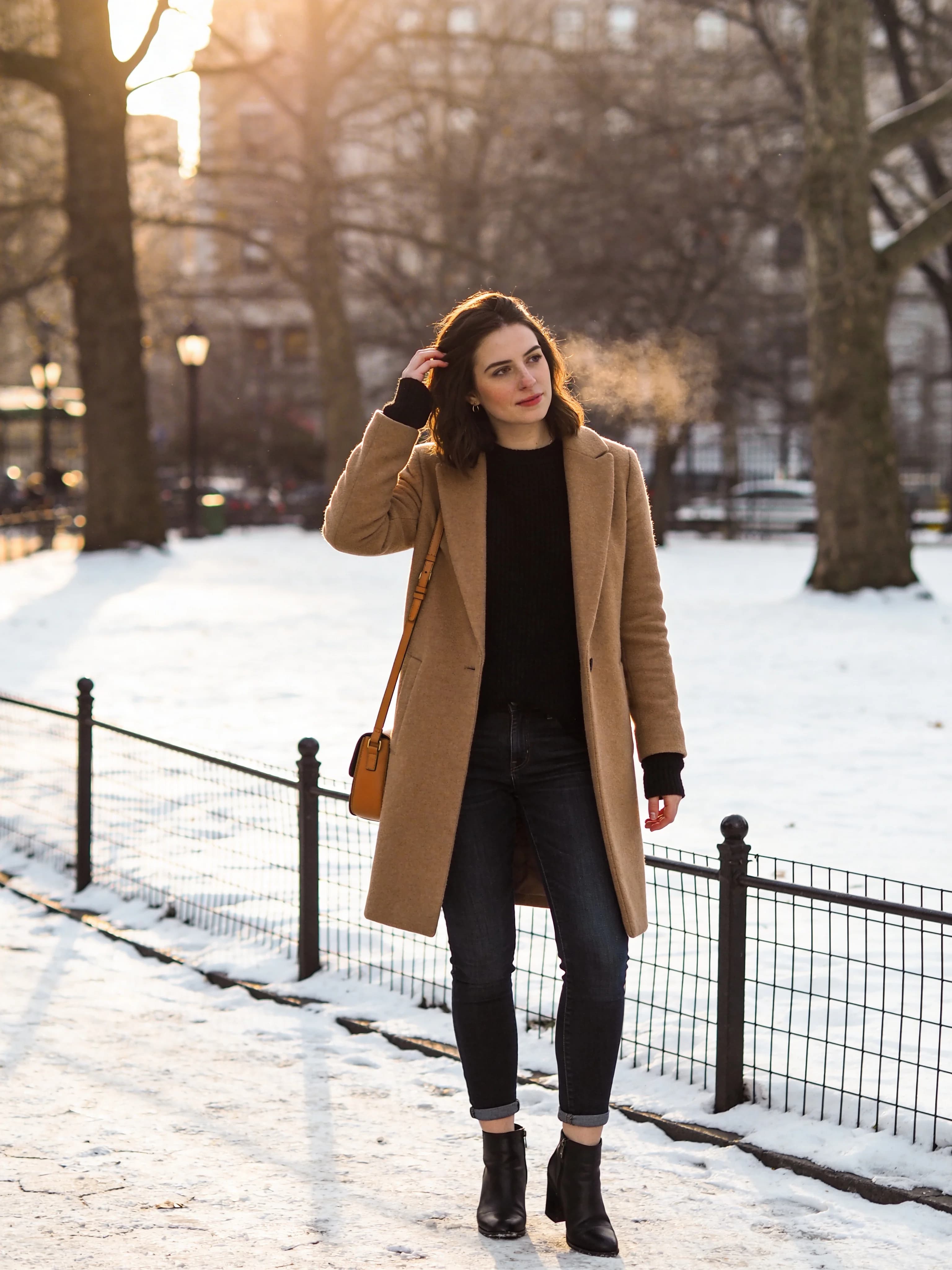
A camel coat over dark indigo jeans is the snow-commute uniform that doesn't sacrifice polish. A tan crossbody and black ankle boots keep things clean through the weather.

Casual
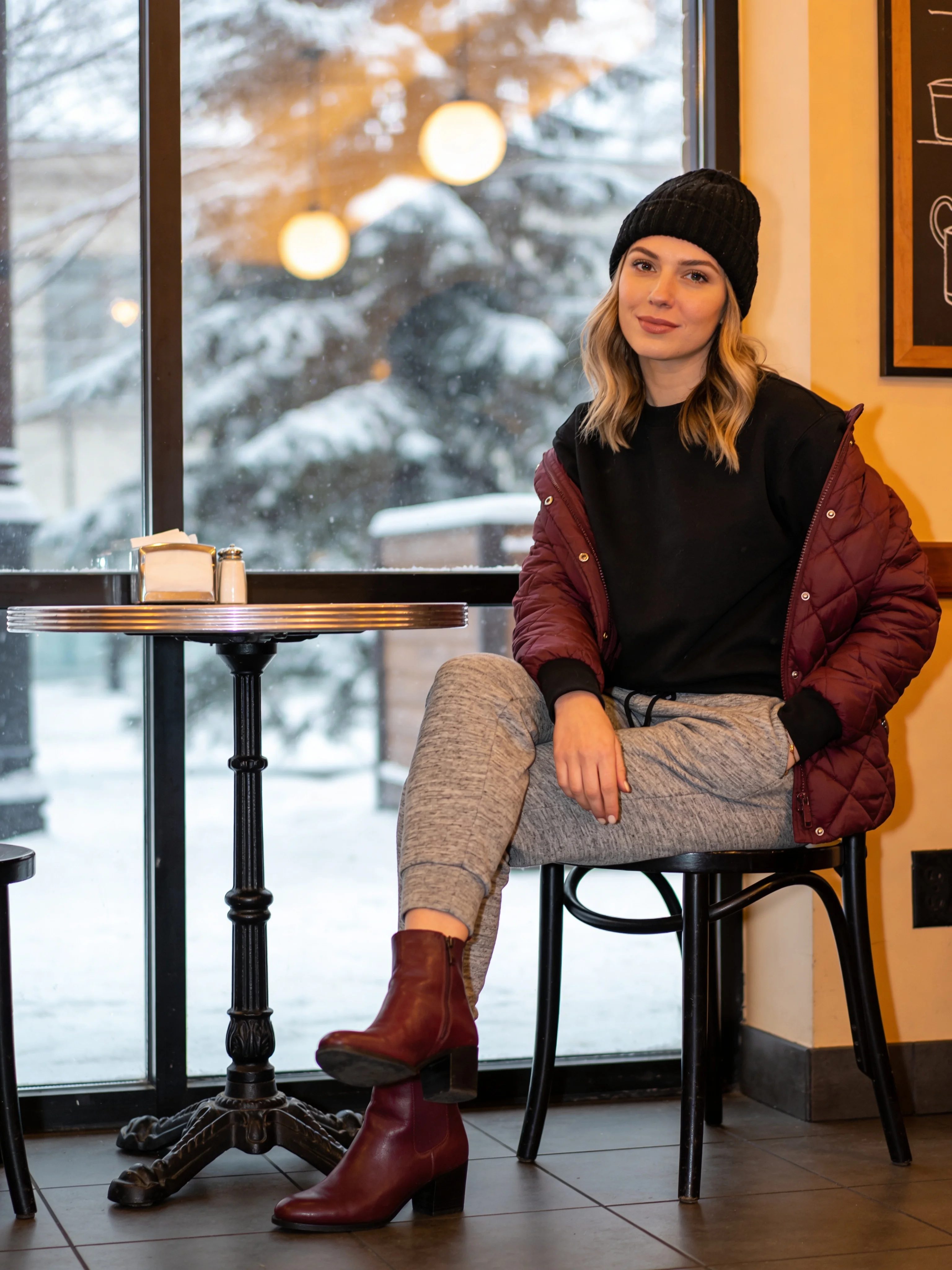
Burgundy Snow Day

Burgundy Snow Day

The burgundy quilted jacket handles freezing temps and snowfall without losing personality. Matching boots and a knit beanie make the colour work harder.

Cozy
Parka Cardigan Snow Walk

Parka Cardigan Snow Walk

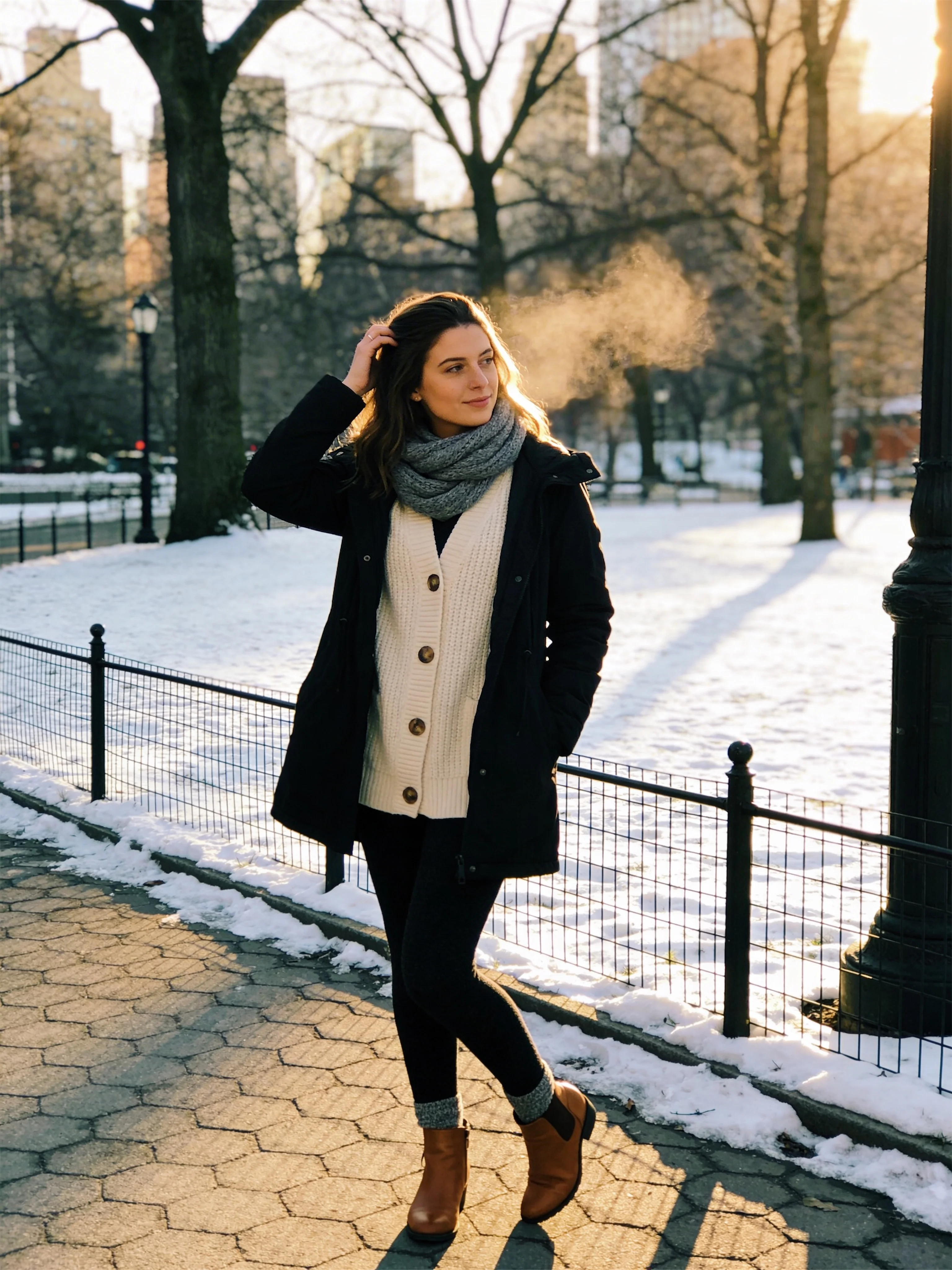
A black longline parka over fleece-lined leggings covers down to the knee in heavy freezing snow. The cream chunky cardigan underneath adds loft where the cold gets in.

Chic
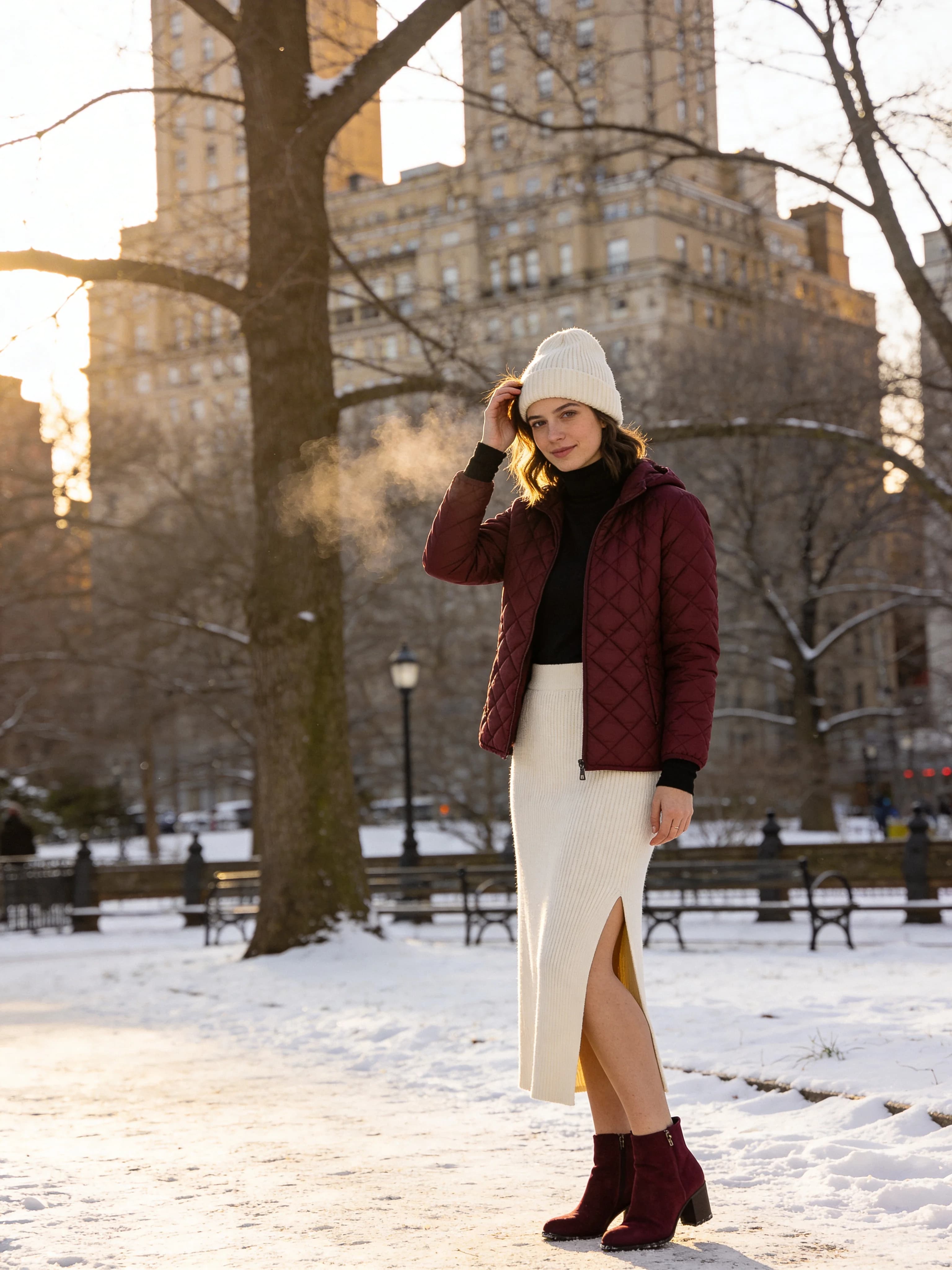
Burgundy Quilted Cream

Burgundy Quilted Cream

A burgundy quilted jacket with a cream knit maxi skirt and matching boots creates a tight colour story in the snow. The cream beanie seals the tonal palette.

Cute
Head to Toe Cream

Head to Toe Cream

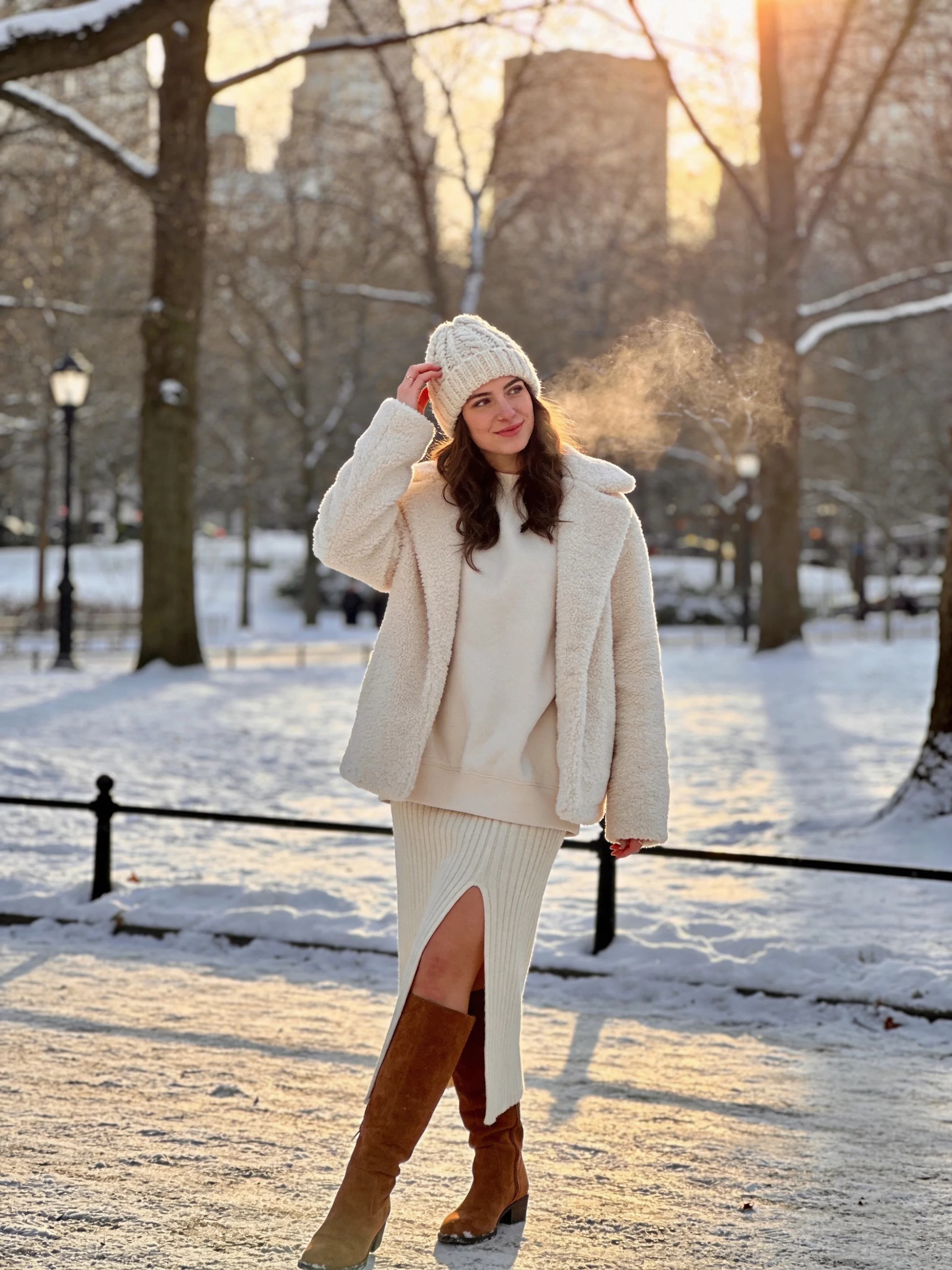
An all-cream stack from teddy coat to knit maxi skirt makes the most of a snow day. Brown suede knee-high boots are the only interruption — and the right one.

Formal
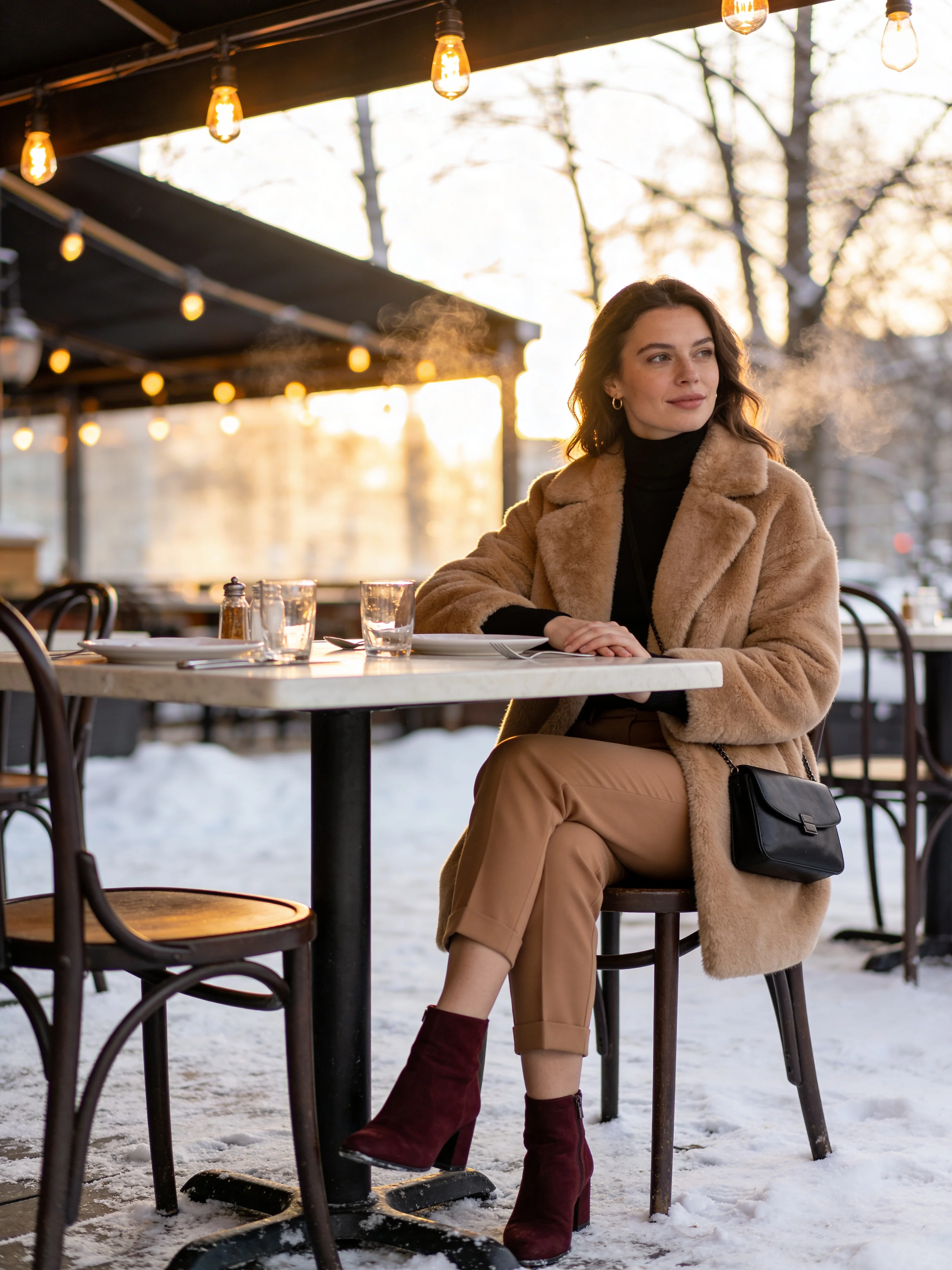
Camel Fur Occasion

Camel Fur Occasion

A camel faux fur coat over matching tailored trousers and a black turtleneck is the statement formal look for snow days that still require occasion dressing. Burgundy ankle boots are the single break in the palette.

Packing List

What to Pack for Milwaukee in January

Other Months in Milwaukee

Frequently Asked Questions

What should I wear in Milwaukee in January?+

A parka rated for -20°F wind chills is the essential foundation. Layer heavyweight thermal base layers and a mid-layer down or fleece underneath. Insulated waterproof boots with aggressive lug soles handle the Third Ward's ice-covered brick streets and the Riverwalk's snow-packed path. Add a balaclava or neck gaiter, wool or fleece hat, and insulated mittens — the Lake Michigan wind on the exposed lakefront makes uncovered skin painful within minutes.

Is January a good time to visit Milwaukee?+

Milwaukee in January is for the genuinely cold-tolerant. The Milwaukee Art Museum and the Milwaukee Public Museum are world-class and completely uncrowded. The Third Ward's restaurants and the city's brewery scene operate fully year-round. Hotel rates are at annual lows. The cold is extreme and should not be approached casually — polar vortex events with -25°F wind chills are possible and require staying indoors or covering every inch of skin when outside.

What shoes are best for Milwaukee in January?+

Insulated waterproof boots rated for extreme cold are the only practical option. The Third Ward's brick streets, the Riverwalk, and the lakefront path accumulate lake-effect snow and ice that compacts between plowings. At least 400g insulation for the 14°F lows; Baffin or Sorel boots rated to -40°F are the local preference. Yaktrax or ice cleats add significant safety on the most ice-covered surfaces.

How cold does it get in Milwaukee in January?+

The coldest month of the year — average lows of 14°F with Lake Michigan wind driving wind chills to -15°F or below on standard winter days, and approaching -25°F or lower during polar vortex events. Daytime highs average only 28°F, barely below freezing, and lake-effect snow events can deposit 8–12 inches in narrow bands off the lake. About 11 days bring precipitation, predominantly as snow.

What should I pack for Milwaukee in January?+

Pack a parka rated for extreme cold, heavyweight wool or synthetic base layers, a mid-layer down vest or fleece, insulated waterproof boots rated to at least -40°F, wool socks, a balaclava, ear-covering hat, and insulated mittens. Chemical hand warmers are essential for extended outdoor time. The Milwaukee Art Museum, Public Market, and brewery circuit are accessible via car and covered entryways — minimize exposed walking between venues on the coldest days.

More Cities